

Chef’s Overview
Dear Chefs, fruit prep is one of those quiet kitchen rituals that rewards precision — peeling, trimming, shaping, coring, segmenting, all the gentle tasks where a larger blade feels bulky and slow. This is exactly where a paring knife earns its keep. Today we’re diving into why this small, nimble blade is the unsung hero of fruit work and how it brings confidence and finesse to every slice.

Why Paring Knives Offer the Precision Fruit Prep Demands
Their small blades stay close to your fingertips, allowing delicate, controlled movements that larger knives simply can’t match. Dear Chefs, fruits bruise easily, slip easily, and require small adjustments with every cut. A chef knife may overpower softer fruits or struggle to navigate tight curves, while a paring knife lets you guide each motion with accuracy. As explored in What Are the Best Uses for a Paring Knife in Halloween Treat Prep, control is everything when the ingredient is fragile. A paring knife moves with your hand, not against it, making each motion deliberate and clean.
How Paring Knives Improve Peeling, Trimming, and Shaping
Their compact size gives you the dexterity to peel thin skins, remove blemishes, and create clean shapes without waste. Dear Chefs, think about peeling apples, trimming strawberries, removing eyes from pineapples, or shaping citrus garnishes. A larger blade forces awkward angles, but a paring knife keeps the work safe, stable, and close to your fingers. This echoes the finesse we covered in How Paring Knives Enhance Fine Garnish Work, where subtle adjustments matter more than power. A good paring knife turns these tasks into smooth, efficient motions.
Why Paring Knives Make In-Hand Fruit Prep Feel Natural
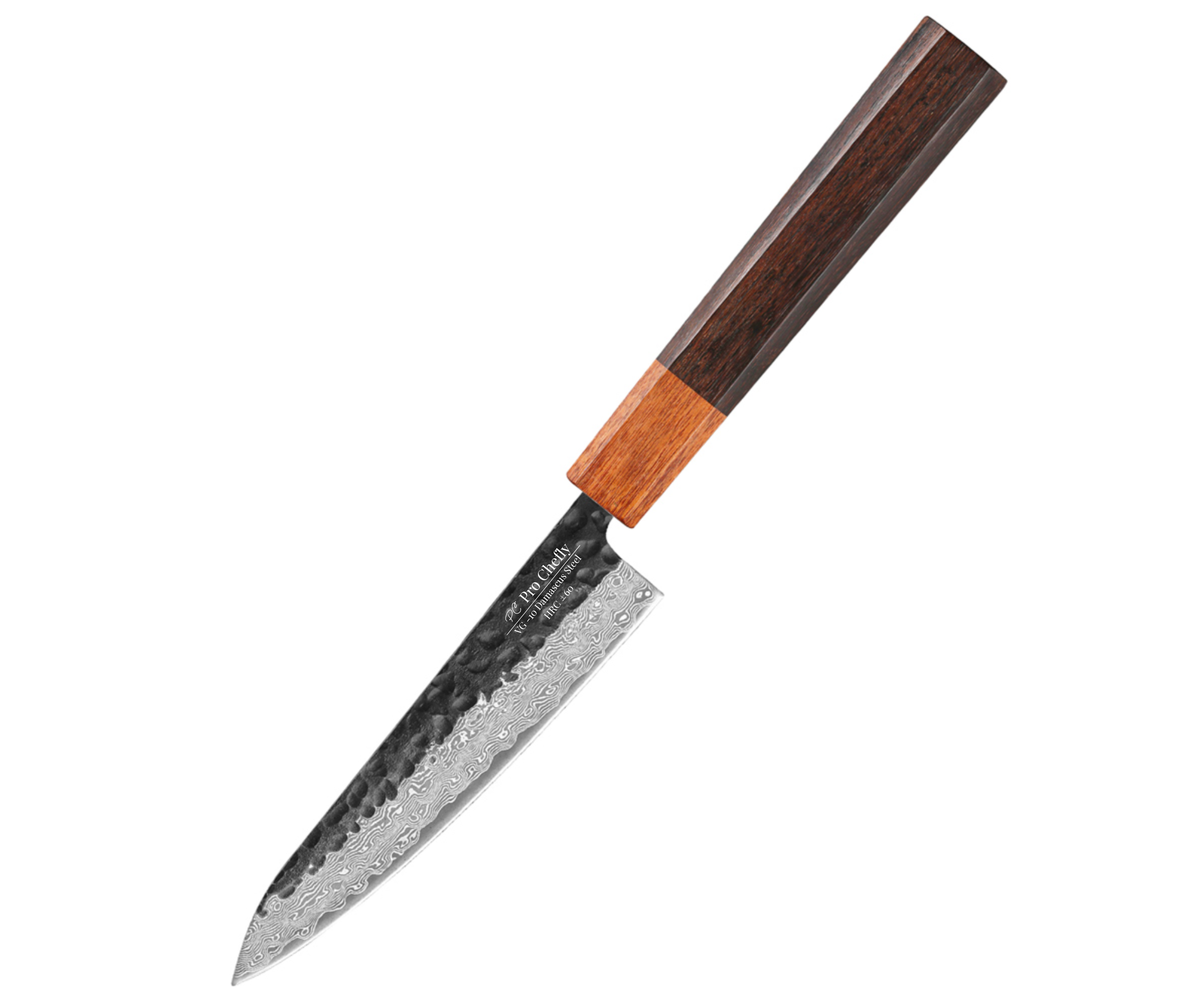
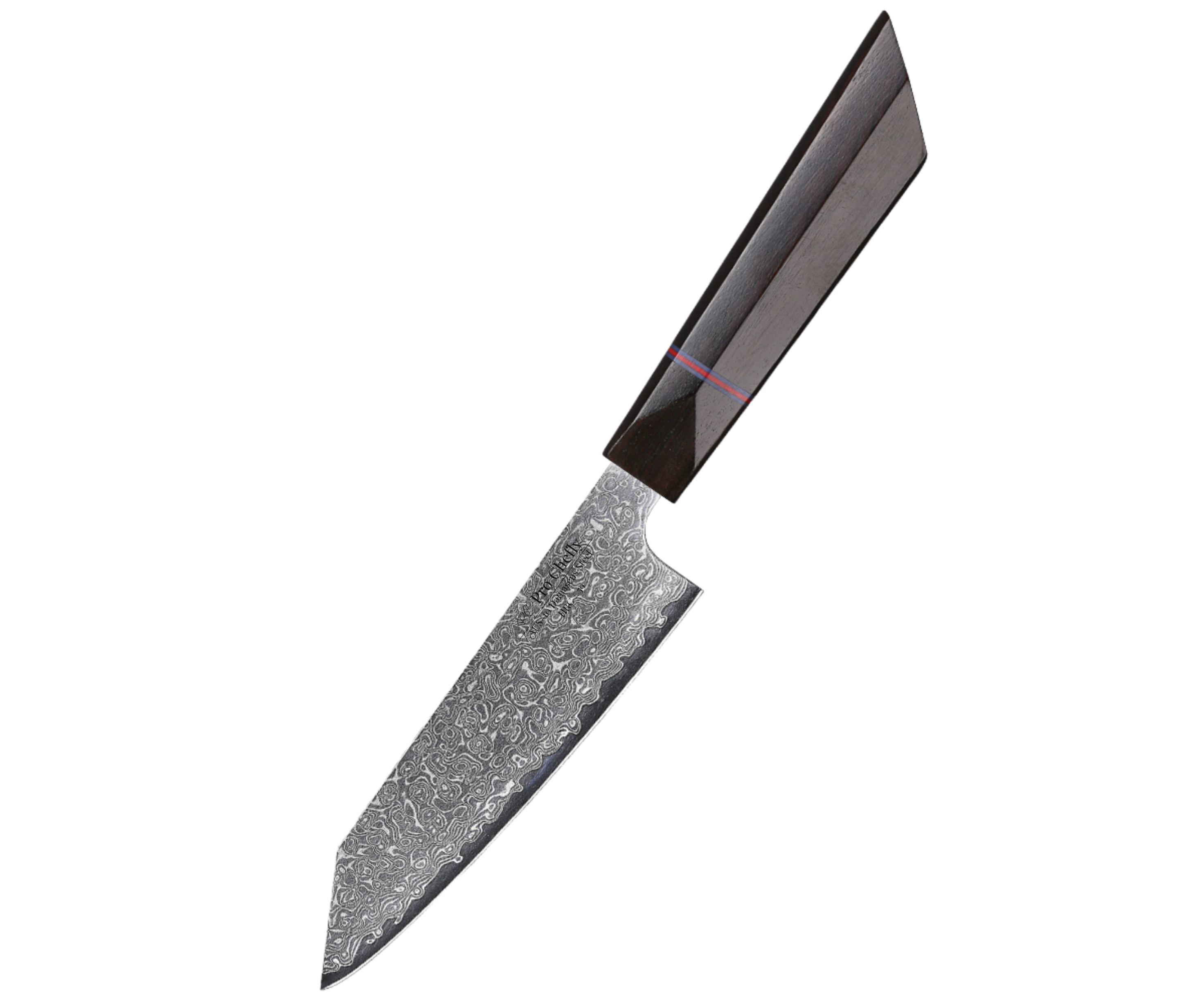
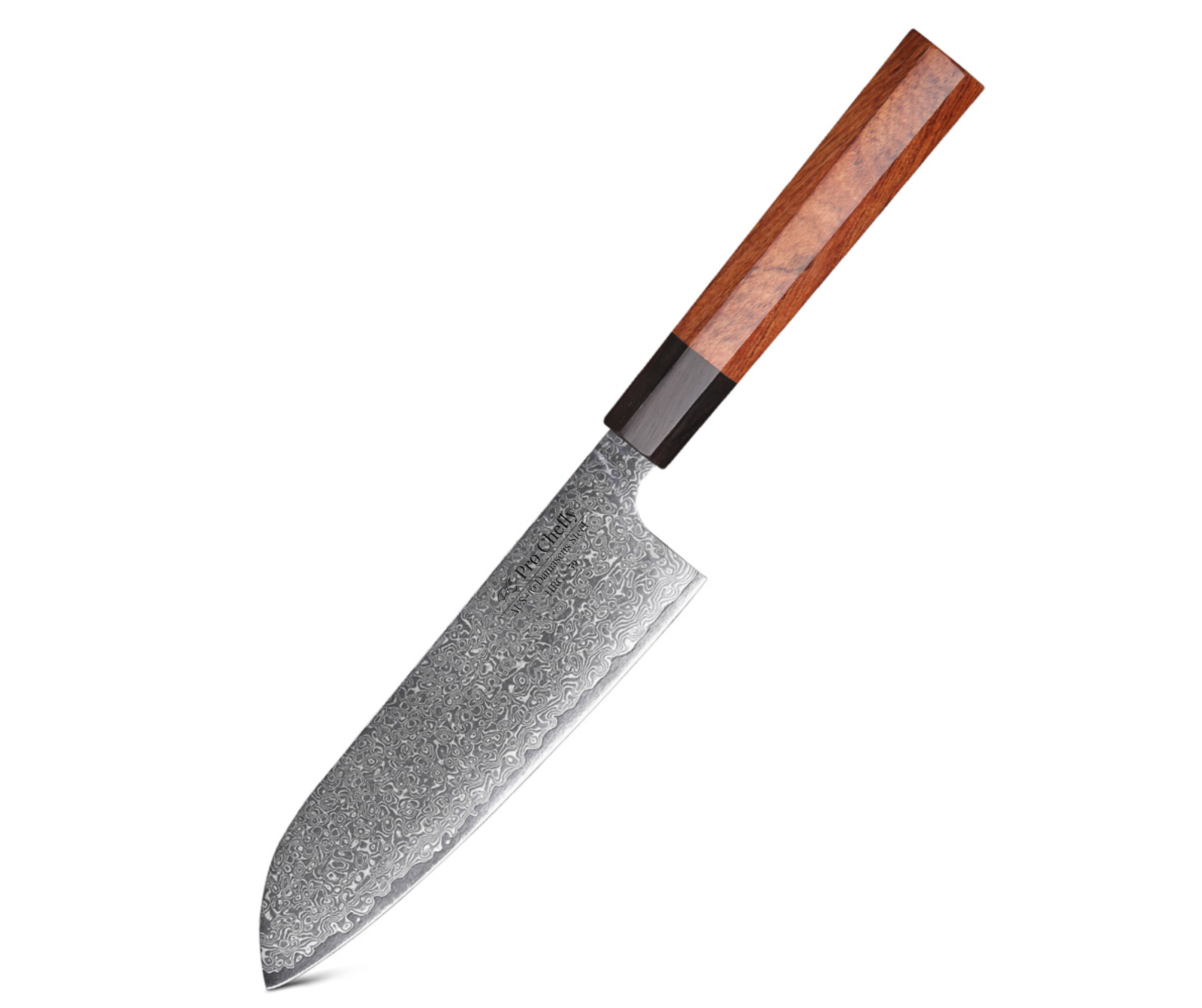
They’re designed for the kind of work you do while holding the ingredient instead of leaving it on the board. Dear Chefs, so many fruit tasks happen in your palm — peeling a pear, carving out citrus segments, trimming bruises, or slicing a strawberry into petals. For these small, detailed motions, blades like the 3.5" VG-10 Damascus Paring Knife feel like extensions of your fingertips. Pair it with a versatile helper like the 5" AUS-10 Damascus Petty Knife and your fruit prep becomes seamless. As we saw in Petty Knife vs Paring Knife: What’s the Difference, only smaller blades offer the safety and control required for true in-hand work.
How Paring Knives Keep Fruit Presentation Beautiful
They allow clean cuts that preserve shape and texture, which matters when fruit is served fresh or used as garnish. Dear Chefs, bruised edges or torn slices can ruin the look of a fruit salad, tart, or cocktail garnish. A paring knife glides through delicate textures with minimal pressure, helping maintain clean surfaces and natural structure. This precision contributes to the kind of polished presentation we celebrated in Why Paring Knives Matter for Precision Tasks, where appearance is as important as functionality.
How Paring Knives Bring Finesse to Everyday Fruit Prep
Paring knives elevate fruit prep by offering control, safety, and accuracy for even the most delicate ingredients. Dear Chefs, think of fruit prep as a moment where technique meets artistry. Whether you’re slicing peaches for summer pies, peeling apples for crisps, trimming berries for plating, or carving citrus for cocktails, a paring knife gives you the finesse to keep every piece beautiful and intentional. When control matters more than force, this little blade becomes indispensable.
Knife Collections
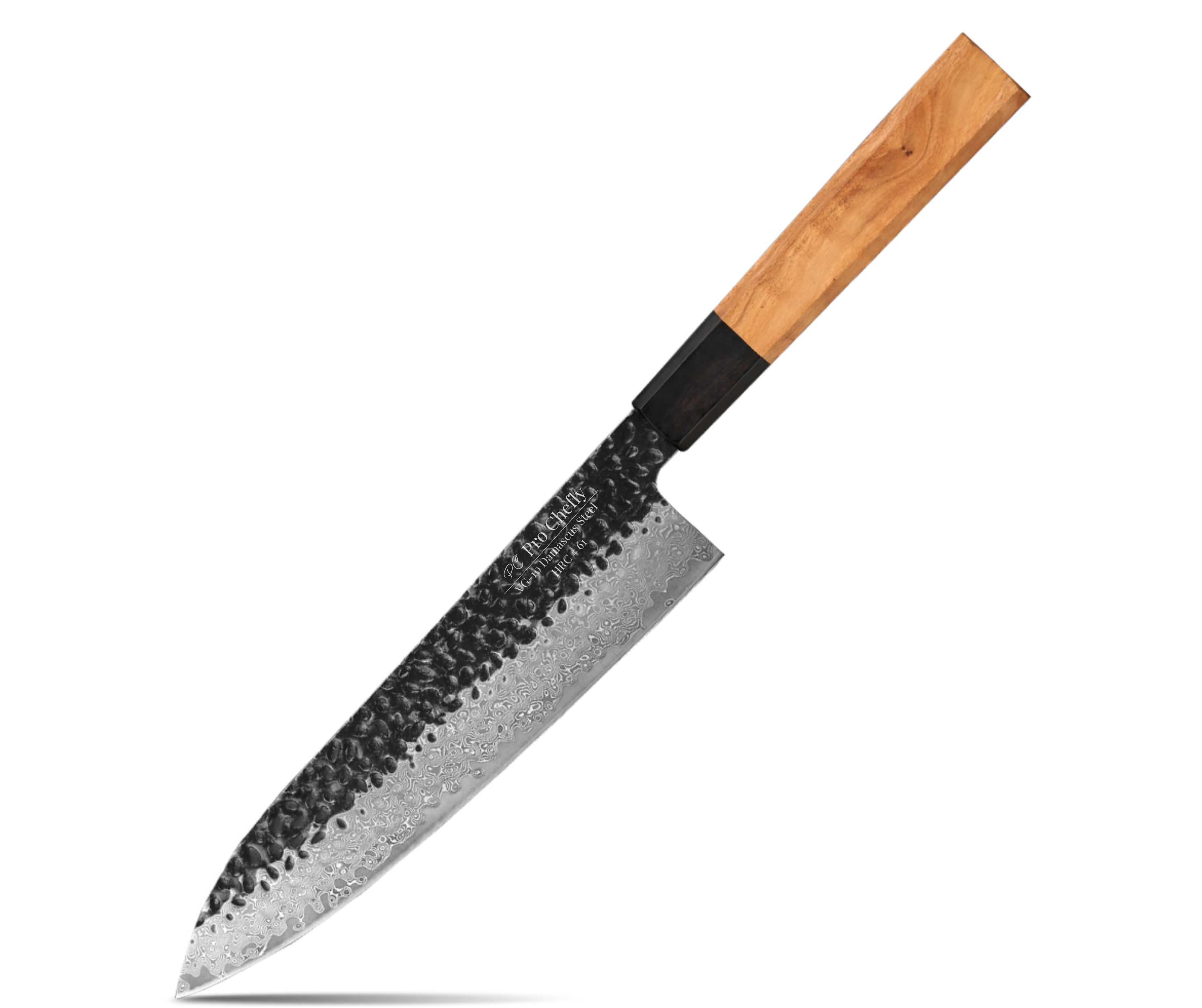
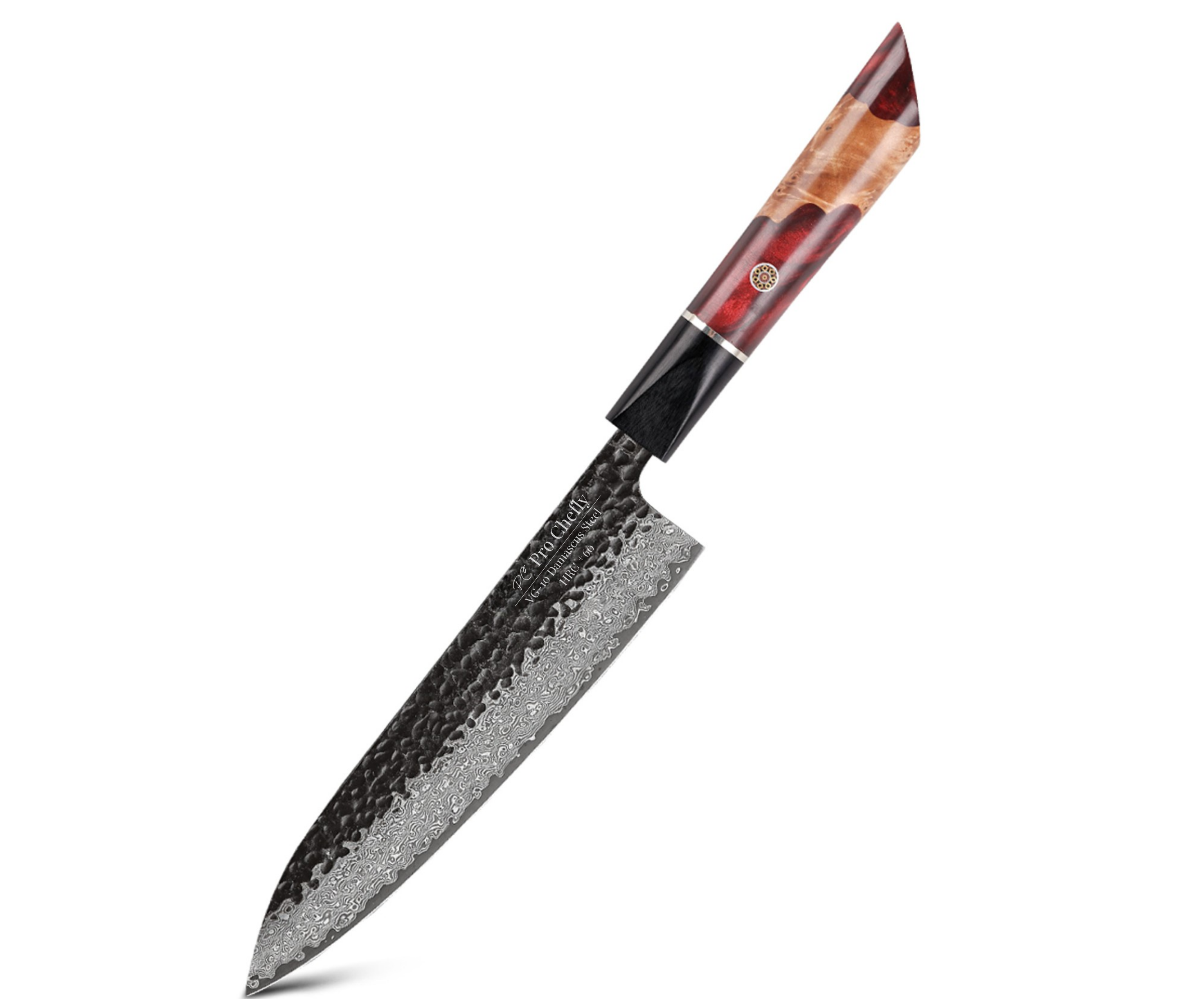
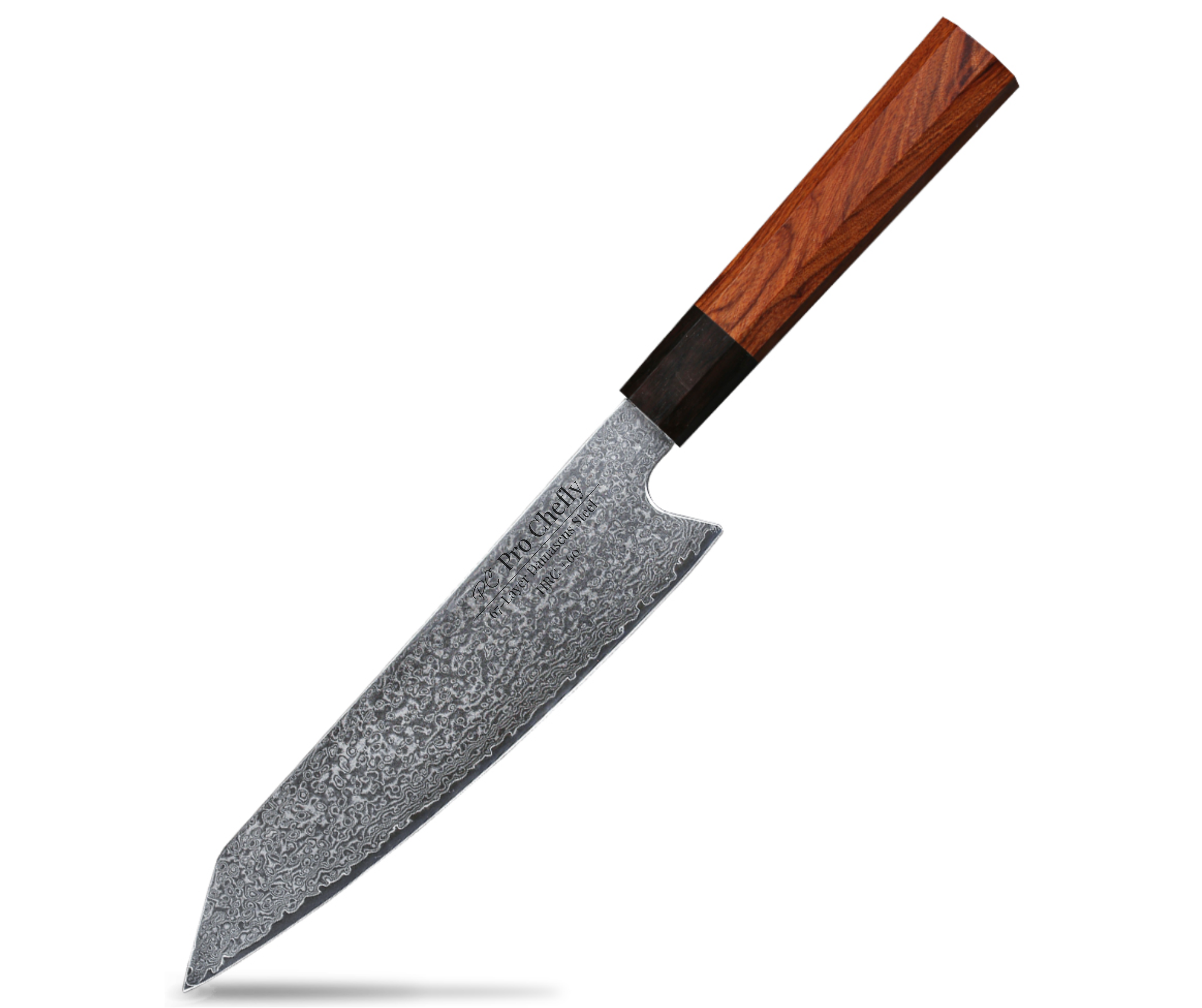
Shop the latest in Pro Chefly Damascus Knives






Chef's Notes
Stay up to date with the latest kitchen stories and recipes

- March 25, 2026
Dear Chefs, this is one of those dishes that feels like it belongs next to the ocean, even if you’re...

- March 23, 2026
Dear Chefs, this is the kind of spring dish that wakes up your entire kitchen the moment it hits the...

- March 19, 2026
Dear Chefs, some dinners don’t whisper, they walk into the kitchen with confidence and a little swagger. Surf and Turf...

- March 17, 2026
Dear Chefs, there’s something satisfying about a dish that feels wholesome, bright, and quietly comforting all at the same time....

- March 13, 2026
Dear Chefs, there is something about cooking whole fish that feels both elegant and surprisingly simple once you understand the...

- March 11, 2026
Dear Chefs, spring cooking always pulls me toward dishes that feel light, bright, and quietly luxurious without trying too hard....
- Choosing a selection results in a full page refresh.
- Opens in a new window.