

Chef’s Overview
Dear Chefs, there’s a moment when slicing through a perfectly cooked steak or raw fish feels almost effortless, like the blade is doing the work for you. That smooth glide isn’t luck, it’s the result of how Damascus steel is built and how it interacts with proteins on the board. Today we’re breaking down why Damascus steel cuts feel cleaner, smoother, and more controlled compared to standard blades. By the end, you’ll understand exactly what’s happening at the edge and why it changes the way you slice proteins every day.

The First Slice, Where Clean Protein Cuts Are Won or Lost
You can feel it immediately. The difference between a blade that drags through meat and one that glides cleanly shows up in the very first cut. Proteins are unforgiving in that way, they expose every flaw in your edge, your angle, and your control. A standard blade tends to push before it cuts, especially if the edge geometry is thicker or slightly worn. That pressure compresses the protein, causing tearing instead of clean separation. It’s subtle at first, but the texture and presentation take a hit. Damascus steel behaves differently. The edge engages faster, biting into the surface with less resistance and continuing through in one fluid motion. That immediate engagement is exactly why, as explored in How Damascus Steel Maintains Structure at Thin Grinds, these blades feel more responsive the moment they touch the ingredient.
How Damascus Steel Edge Geometry Improves Protein Slicing
The way a knife moves through protein isn’t just about sharpness, it’s about how the edge is shaped and how consistently it stays aligned throughout the cut. Damascus steel allows for a thinner, more refined edge without sacrificing strength, which is where that smooth slicing experience begins. Instead of forcing its way through meat, a properly ground Damascus blade separates fibers cleanly with minimal resistance. That means less pressure from your hand and more control over each slice. Over the course of a full prep session, that difference becomes noticeable not just in speed, but in how clean and uniform your cuts look. What makes this even more important is consistency. A blade that maintains its geometry across repeated use keeps your slicing predictable, which is critical when working with proteins that can easily tear or lose structure under uneven pressure.
Thin Edge Profiles That Reduce Drag
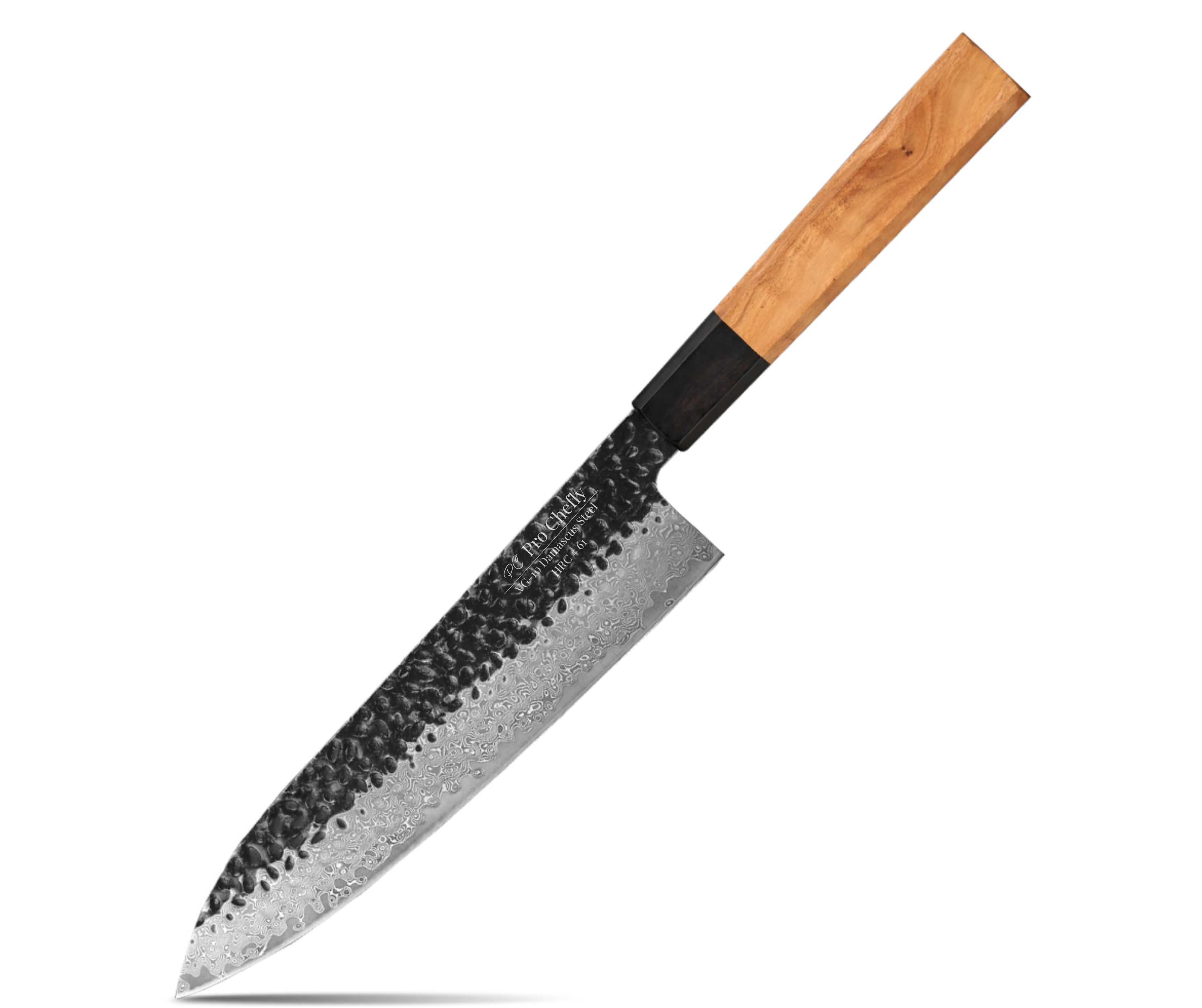
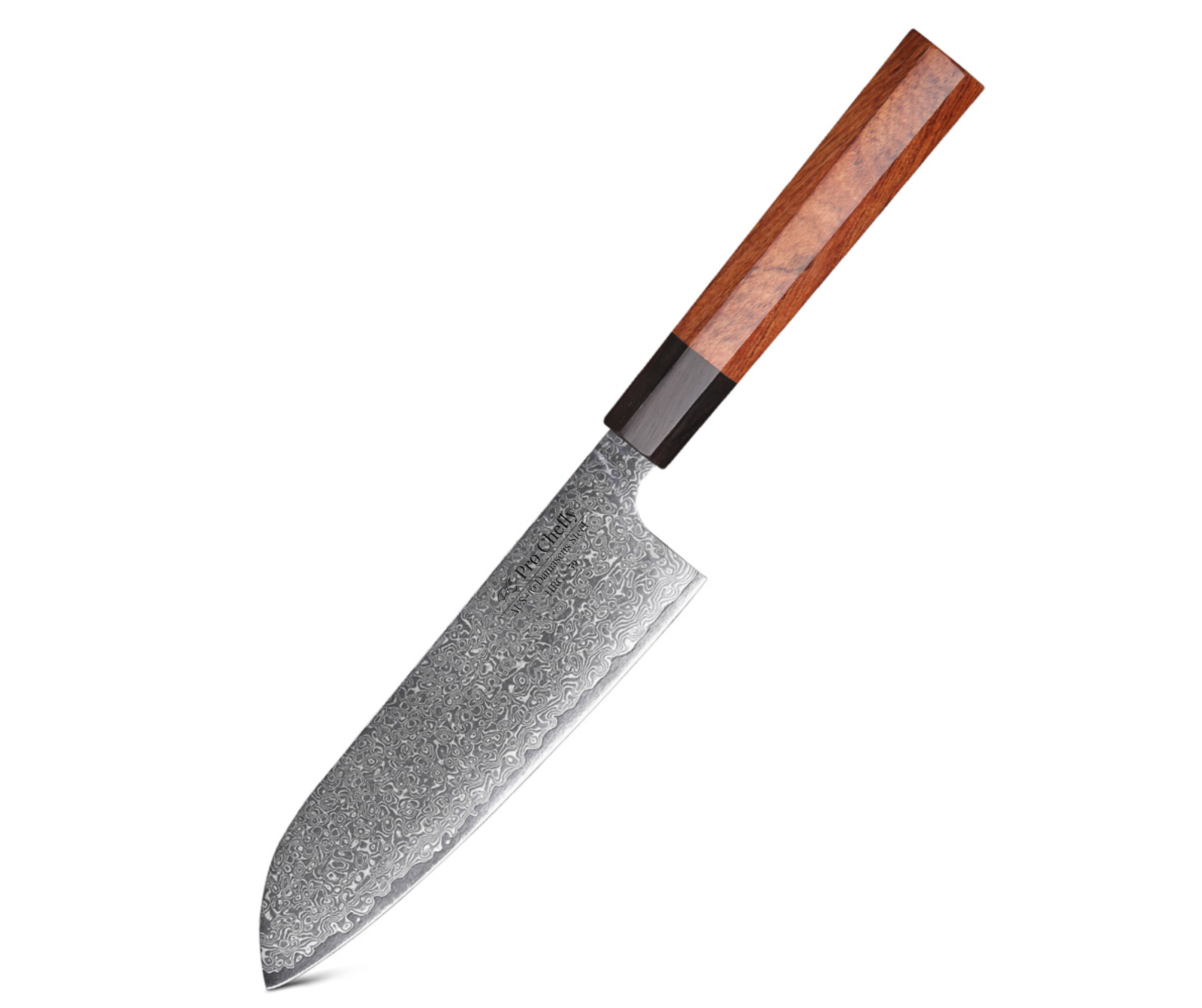
A thinner edge creates less surface area pushing against the protein. That means less resistance as the blade moves forward, allowing it to pass through cleanly rather than forcing its way through. Knives like the 8" VG-10 Damascus Gyuto highlight this perfectly, offering a fine edge that maintains its integrity while still delivering smooth, uninterrupted cuts.
Layered Steel Structure and Stability
Damascus steel isn’t just about appearance. The layered construction adds stability to the blade, helping it maintain a consistent path as it slices. Instead of flexing or catching, the knife stays true through the cut. This stability is closely tied to what we’ve discussed in How Damascus Steel Distributes Force Across the Blade, where the layered design helps spread pressure evenly instead of concentrating it in one spot.
Why Damascus Steel Cuts Proteins Cleaner Than Standard Blades
When you compare Damascus steel to standard stainless blades, the difference isn’t just sharpness, it’s how the blade behaves under pressure. Proteins require a clean entry and a consistent follow-through, and this is where many knives fall short. Standard blades often rely on added force to complete the cut, especially as the edge begins to dull. That added pressure compresses the protein before slicing it, which leads to tearing and uneven texture. Damascus steel, by contrast, reduces the need for force entirely. Because of its refined edge and structural stability, the blade maintains a smooth path through the protein from start to finish. That consistency allows each slice to separate cleanly, preserving both texture and presentation. Over time, this difference becomes one of the most noticeable upgrades a cook can experience.
Immediate Edge Engagement on Meat and Fish
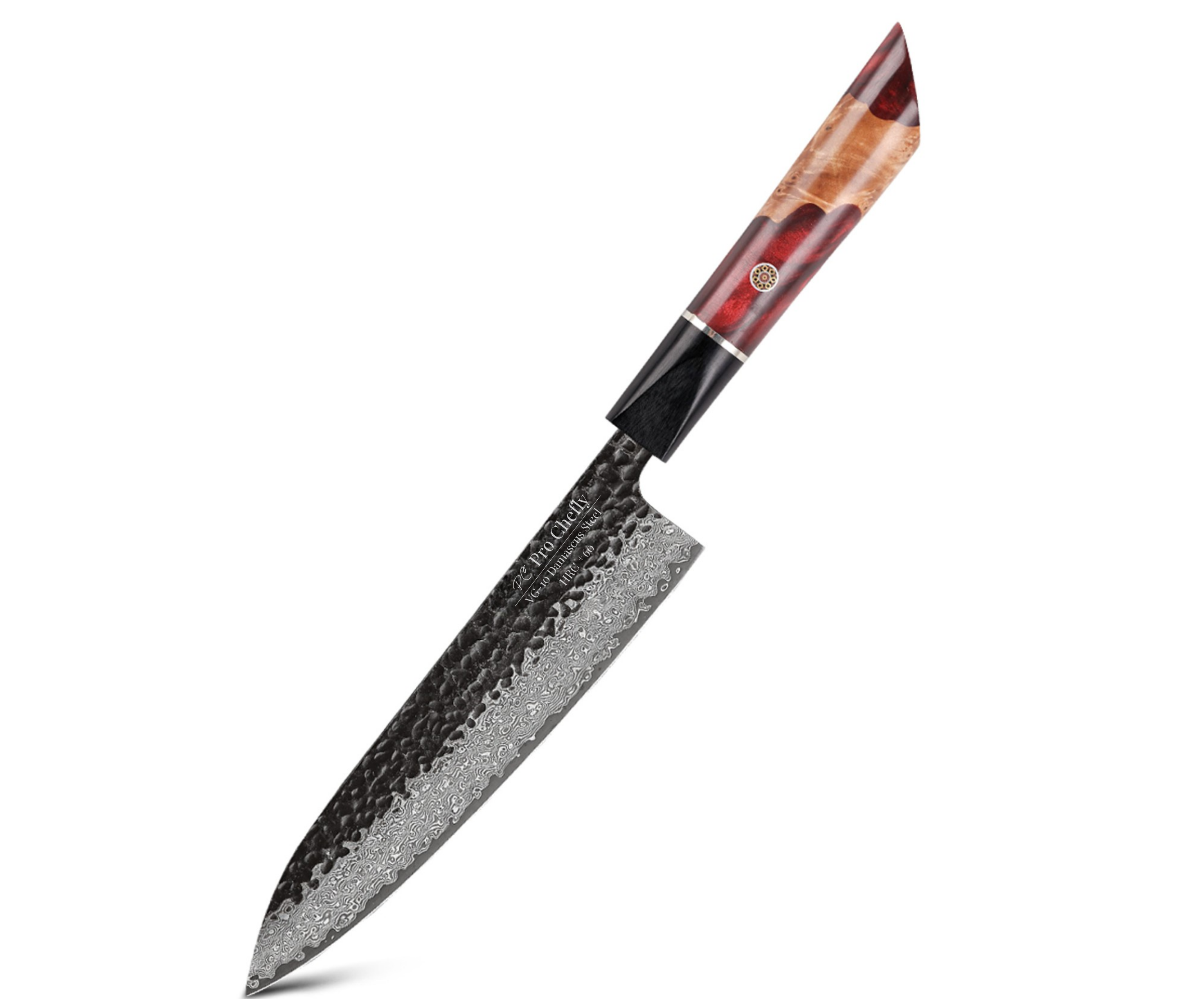
A Damascus edge tends to “grab” the surface just enough to start the cut cleanly without slipping. That initial bite reduces the need for extra force, which is often what leads to tearing. With something like the 8" VG-10 Damascus Chef Knife, that engagement feels controlled and predictable, allowing you to guide the blade instead of forcing it.
Reduced Tearing and Cleaner Presentation
When the blade moves smoothly, the protein holds its structure. Fibers stay intact, juices remain where they should be, and each slice looks intentional. As highlighted in Why Damascus Steel Handles Perform Better Under Pressure, this controlled cutting behavior is one of the defining characteristics of well-crafted Damascus blades.
Real Kitchen Application, Slicing Proteins with Confidence
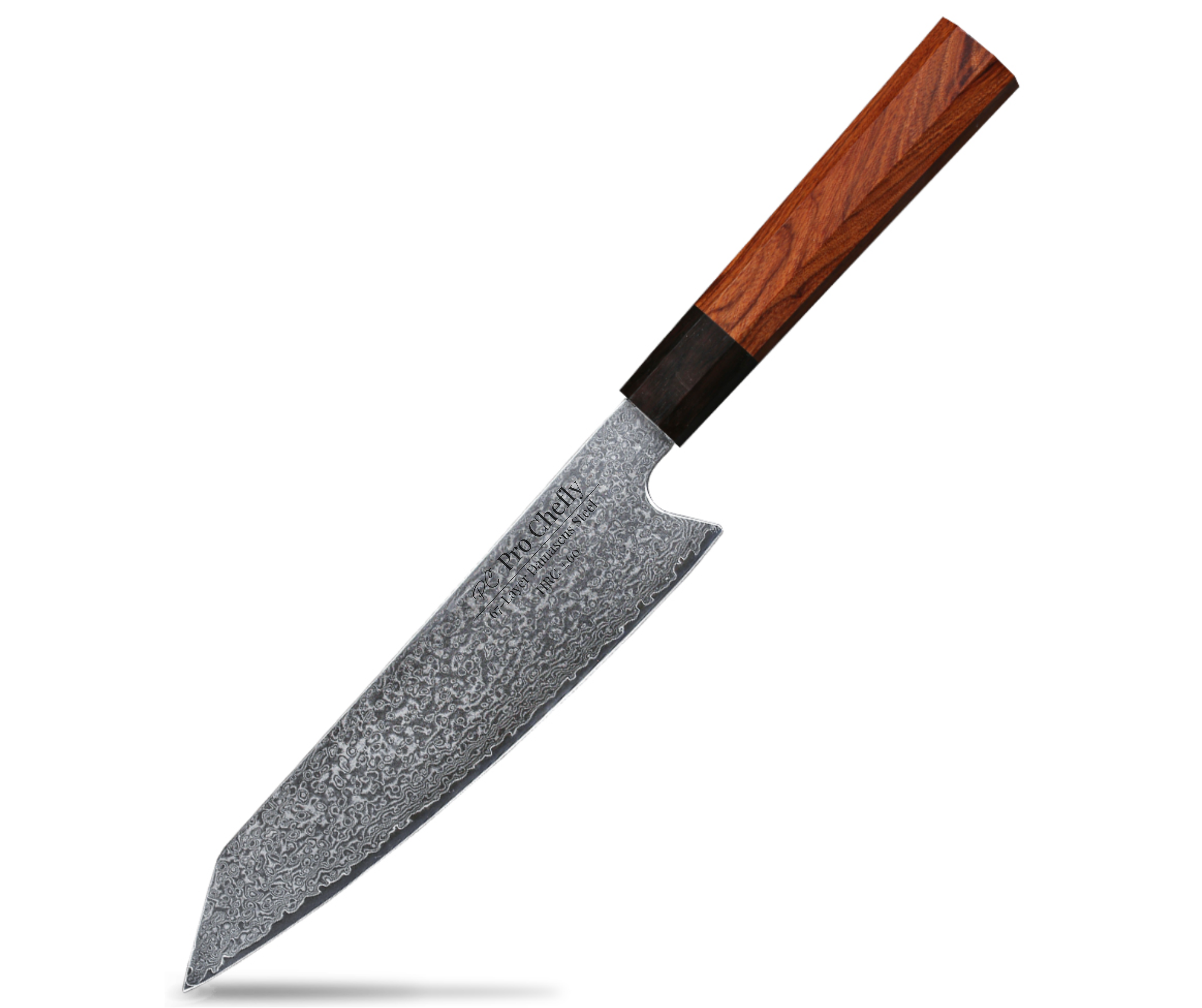
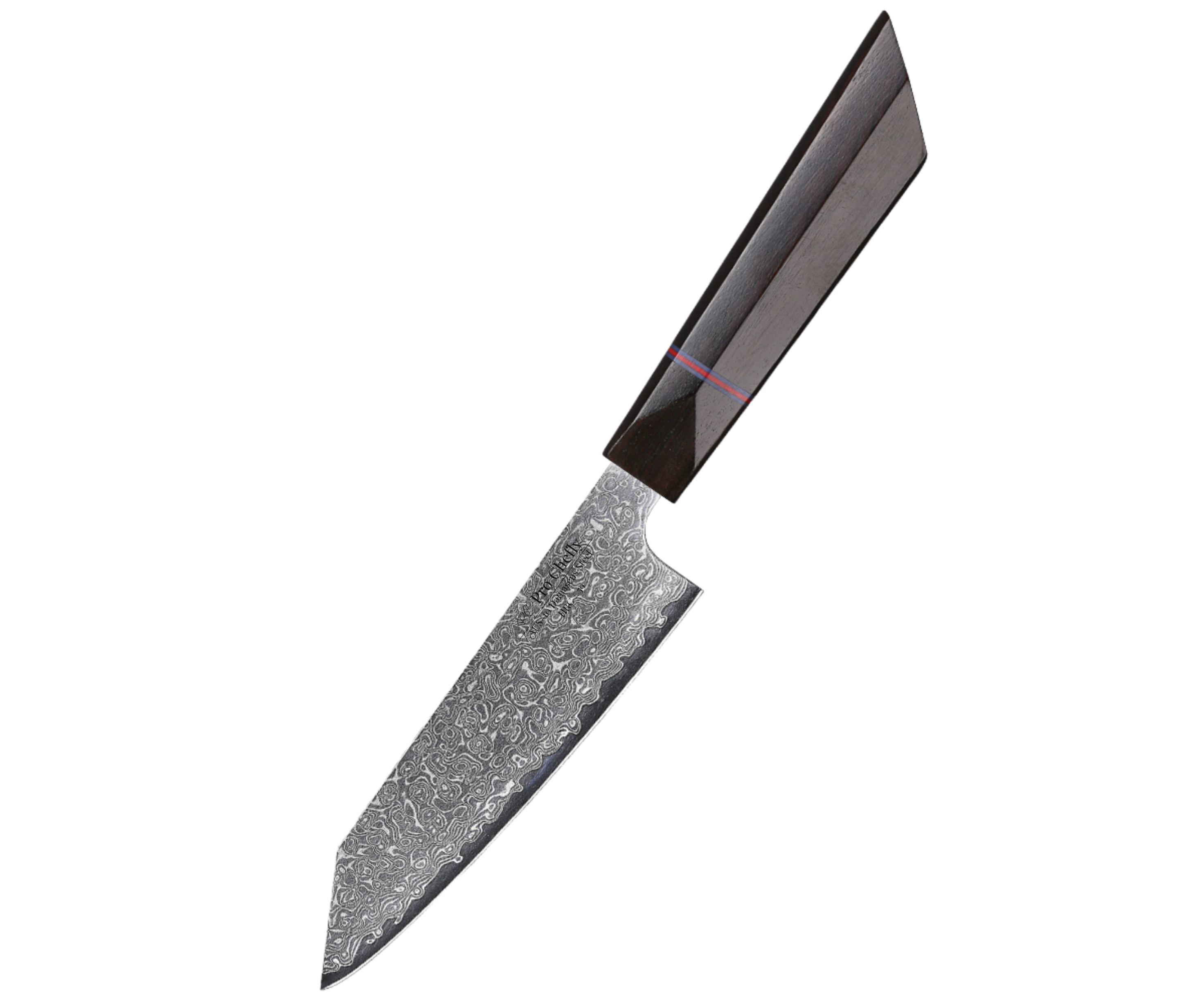
All of this theory comes down to how the knife performs in real cooking situations. Whether you’re slicing steak, trimming chicken, or portioning fish, the difference becomes obvious with repeated use. A blade that glides reduces fatigue because you’re not constantly applying pressure. It also improves consistency, allowing each slice to match the last without extra effort. Using a profile like the 8.5" VG-10 Damascus Kiritsuke Knife introduces even more precision, especially when working with longer, cleaner slicing motions. The extended edge and refined geometry help maintain that smooth glide across the entire cut. Over time, that consistency builds confidence. You stop second-guessing your cuts and start focusing on the dish itself, which is where cooking becomes more intuitive and enjoyable.
Why Damascus Steel Changes How You Slice Proteins
The biggest shift isn’t just in the blade, it’s in how you approach the cut. Once you experience a knife that moves cleanly through proteins, your technique naturally adjusts to match it. You begin to rely less on force and more on control. Your cuts become more deliberate, more fluid, and more consistent across different ingredients. At Pro Chefly, that’s exactly what Damascus steel is meant to deliver. It’s not just about sharpness, it’s about creating a cutting experience that feels smooth, reliable, and precise every time you step up to the board. Think of it like this, because knives aren’t just tools, they’re companions. When the blade glides, your workflow follows. And when your workflow improves, everything in your kitchen starts to feel easier.
Knife Collections
Shop the latest in Pro Chefly Damascus Knives






Chef's Notes
Stay up to date with the latest kitchen stories and recipes

- March 25, 2026
Dear Chefs, this is one of those dishes that feels like it belongs next to the ocean, even if you’re...

- March 23, 2026
Dear Chefs, this is the kind of spring dish that wakes up your entire kitchen the moment it hits the...

- March 19, 2026
Dear Chefs, some dinners don’t whisper, they walk into the kitchen with confidence and a little swagger. Surf and Turf...

- March 17, 2026
Dear Chefs, there’s something satisfying about a dish that feels wholesome, bright, and quietly comforting all at the same time....

- March 13, 2026
Dear Chefs, there is something about cooking whole fish that feels both elegant and surprisingly simple once you understand the...

- March 11, 2026
Dear Chefs, spring cooking always pulls me toward dishes that feel light, bright, and quietly luxurious without trying too hard....
- Choosing a selection results in a full page refresh.
- Opens in a new window.