

Chef’s Overview
Dear Chefs, there’s a moment when a knife touches the board and you immediately know it’s different, quieter, cleaner, almost intentional. Aogami Blue #2 steel creates that moment through purity, discipline, and restraint in its composition. Today, we’re talking about why this Japanese carbon steel delivers surgical sharpness, how it behaves in real kitchens, and why chefs who understand steel feel instantly connected to it.

The First Cut Always Tells the Truth About Your Knife Steel
The first slice with a new knife never lies. You can feel hesitation, drag, or resistance before you ever see the cut itself. With Aogami Blue #2 steel, that hesitation disappears because the edge geometry is allowed to do its job without fighting the steel’s structure. This is the same reason many chefs fall down the Japanese steel rabbit hole after years of using Western blades. Carbon steel behaves differently than stainless the moment it’s forged, and Blue #2 is a prime example of balance done right. It’s refined enough to take an extremely acute edge, but stable enough to hold that edge through real prep, not just test cuts on paper. If you’ve ever wondered why Japanese knives feel alive in your hand, this steel is a big part of that answer.
Why Aogami Blue #2 Steel Can Be Sharpened So Aggressively
Aogami Blue #2 is a high-carbon steel enriched with small amounts of chromium and tungsten. That combination strengthens the steel matrix without sacrificing purity. Unlike many modern stainless blends, this steel doesn’t rely on excessive alloying to achieve durability. Instead, it focuses on grain refinement. Fine grain structure is what allows a blade to be sharpened thinner without crumbling or micro-chipping. That’s why chefs can push Aogami Blue #2 to razor-level angles that would destroy softer steels. As we explored in What is VG-10 Steel and Why Do Japanese Knives Use It, alloy balance dictates how aggressive an edge can truly be before it fails. Another reason this steel feels surgical is the feedback it gives on stones. You can feel exactly where the edge is contacting the surface, which makes sharpening more controlled and repeatable. This is the opposite of “mystery steel” that sharpens inconsistently and leaves you guessing. That tactile response is something chefs talk about constantly when comparing Japanese steels, and it’s why many transition away from softer stainless options after experiencing true carbon steel refinement.
How Edge Geometry Works With Aogami Blue #2
Surgical sharpness isn’t just about hardness, it’s about how thin the steel can be ground while remaining stable. Aogami Blue #2 supports extremely thin edge geometry, which reduces resistance during cuts. Less resistance means less cell damage in ingredients, cleaner slices, and better texture retention. This is especially noticeable in proteins and dense vegetables. The blade passes through rather than forcing its way down. That clean separation is one reason chefs describe cuts as “precise” rather than “sharp.” Unlike some ultra-hard steels that chip unexpectedly, Blue #2 wears gradually. You feel the edge fading long before it fails. That predictability builds trust during service or extended prep sessions. We touched on this idea of controlled wear in How VG-10 Steel Balances Edge Retention and Durability, and Aogami Blue #2 takes that philosophy even further through carbon refinement.
How Chefs Experience Aogami Blue #2 in Daily Prep
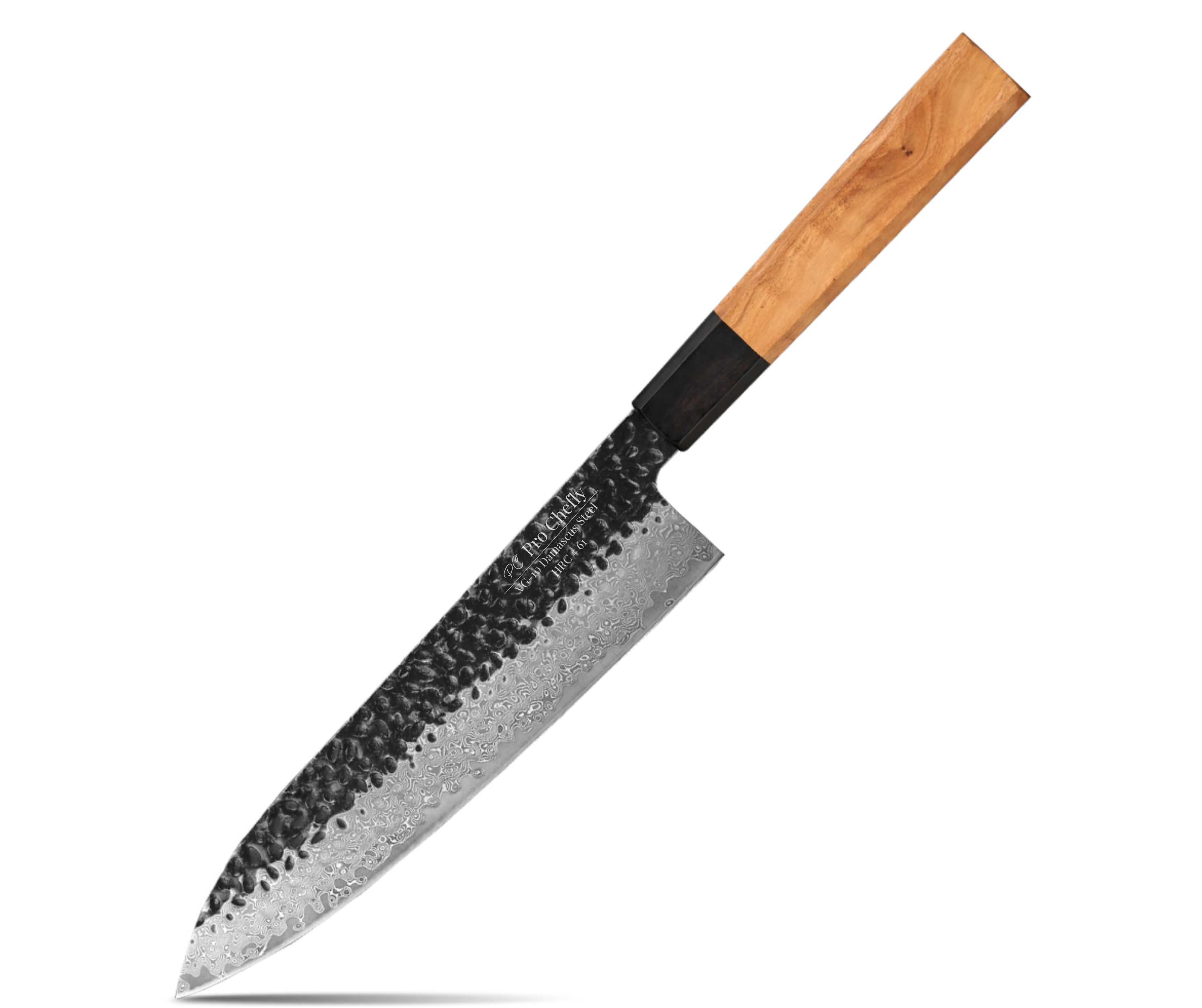
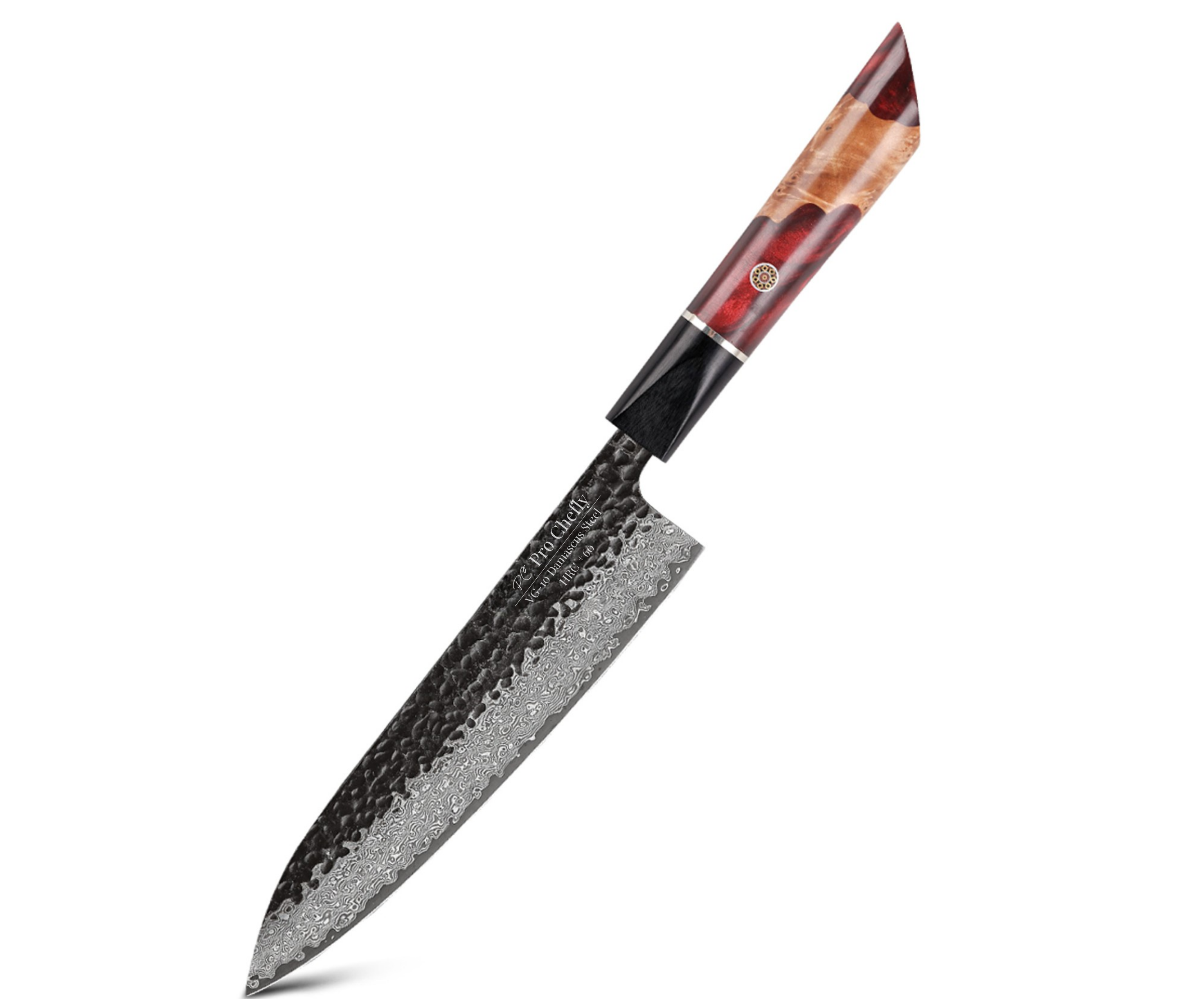
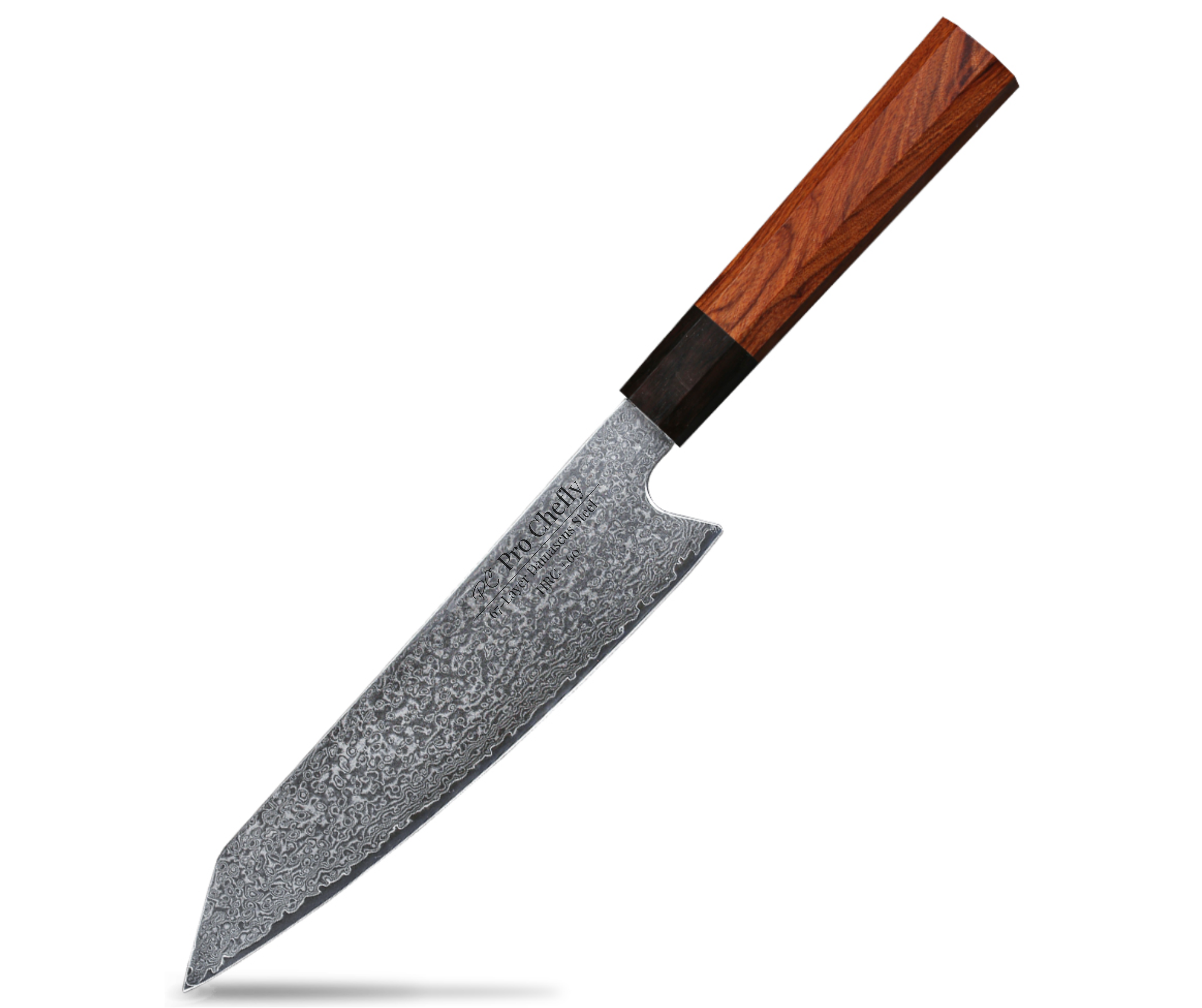
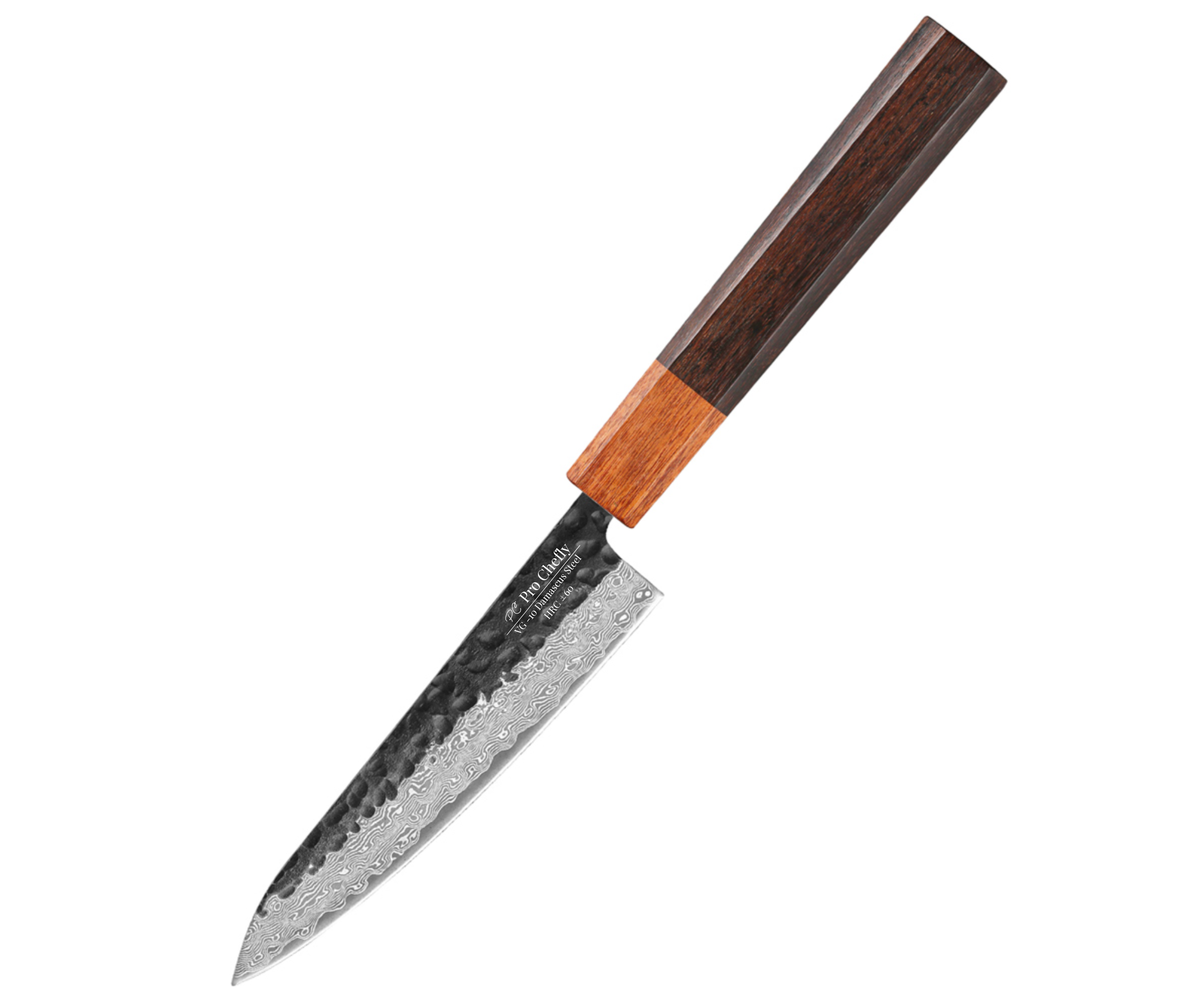
One of the most overlooked aspects of sharpness is how a blade feels on the board. Aogami Blue #2 transmits subtle feedback through the handle, letting chefs adjust pressure instinctively. This is why it feels surgical rather than aggressive. That sensation pairs beautifully with blades like the 8" VG-10 Damascus Gyuto, which blends Japanese profile design with edge-focused performance. For tighter prep work and detail tasks, chefs often reach for something like the 5" VG-10 Damascus Petty Knife, where steel responsiveness matters just as much as size. Because the edge is thin and stable, ingredients are sliced instead of crushed. Herbs stay vibrant longer, proteins hold moisture, and vegetables keep their structure. This matters far more than people realize when cooking professionally or even just thoughtfully at home. As we discussed in Why Chefs Choose Damascus Steel Knives for Precision, sharpness isn’t about speed alone, it’s about respect for ingredients. Aogami Blue #2 delivers that respect consistently.
Why Pro Chefly Values Aogami Blue #2 Philosophy
Aogami Blue #2 isn’t forgiving, and that’s intentional. It rewards good technique, proper care, and thoughtful sharpening. This aligns with how we approach knife design at Pro Chefly. We believe knives should grow with you rather than hide mistakes. This is also why many chefs who understand Japanese steel gravitate toward blades like our 8" VG-10 Damascus Chef Knife for everyday versatility, while appreciating carbon steel as the benchmark that defines true sharpness. The more you use Aogami Blue #2, the more it teaches you. You learn pressure control, edge awareness, and sharpening discipline naturally. That relationship between chef and blade is something we talk about often, especially when explaining why knives matter beyond specs, as explored in Why Knives Matter – More Than Just Tools in the Kitchen.
Why Surgical Sharpness Is About Restraint, Not Excess
Surgical sharpness doesn’t come from pushing steel to extremes. It comes from restraint, balance, and clarity of purpose. Aogami Blue #2 embodies that philosophy by staying focused on what matters most: edge stability, feedback, and precision. If you’ve ever used a knife that felt like it was working with you instead of against you, chances are the steel was doing more than you realized.
The Final Cut Comes Down to Trust in Your Steel
Great knives earn trust through consistency. Aogami Blue #2 earns that trust cut after cut, sharpening after sharpening. It doesn’t need flash or gimmicks, just a chef who understands what sharpness is supposed to feel like. Once you experience that clarity, it’s hard to unlearn.
Knife Collections
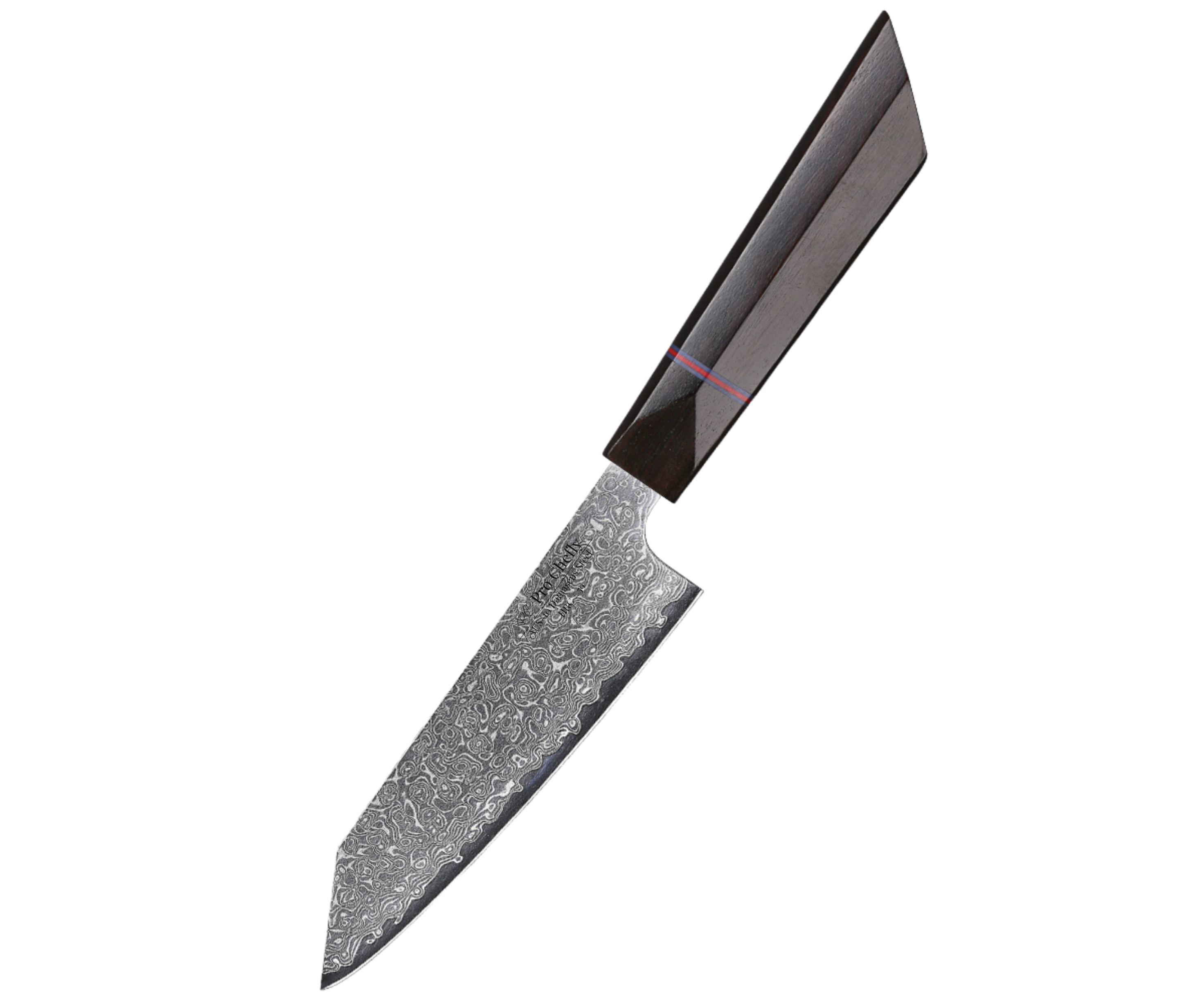
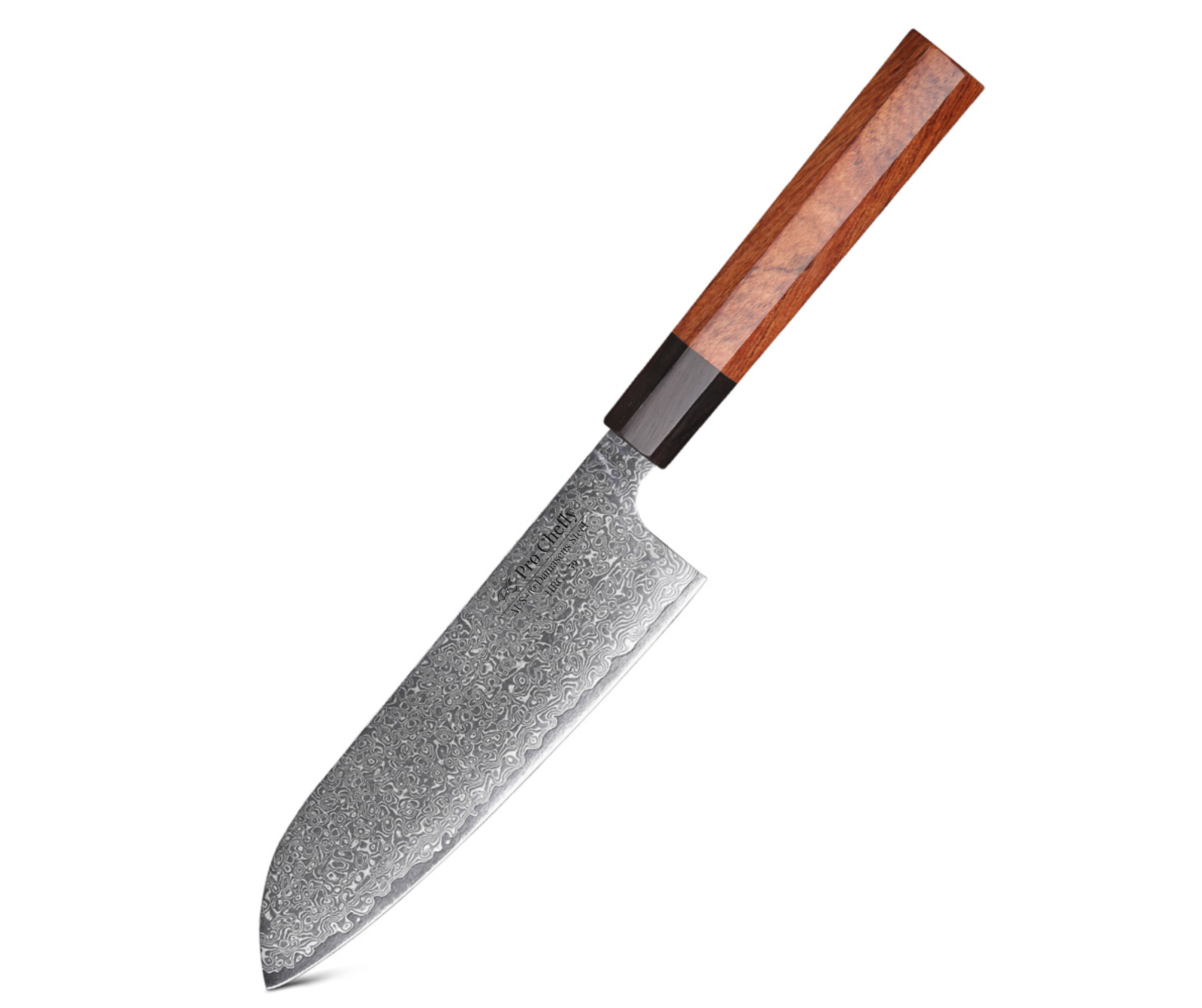
Shop the latest in Pro Chefly Damascus Knives






Chef's Notes
Stay up to date with the latest kitchen stories and recipes

- March 25, 2026
Dear Chefs, this is one of those dishes that feels like it belongs next to the ocean, even if you’re...

- March 23, 2026
Dear Chefs, this is the kind of spring dish that wakes up your entire kitchen the moment it hits the...

- March 19, 2026
Dear Chefs, some dinners don’t whisper, they walk into the kitchen with confidence and a little swagger. Surf and Turf...

- March 17, 2026
Dear Chefs, there’s something satisfying about a dish that feels wholesome, bright, and quietly comforting all at the same time....

- March 13, 2026
Dear Chefs, there is something about cooking whole fish that feels both elegant and surprisingly simple once you understand the...

- March 11, 2026
Dear Chefs, spring cooking always pulls me toward dishes that feel light, bright, and quietly luxurious without trying too hard....
- Choosing a selection results in a full page refresh.
- Opens in a new window.