

Chef’s Overview
Dear Chefs, produce prep is where knives either feel like an extension of your hand or a constant negotiation. Santoku and Nakiri knives both promise speed and control with vegetables, yet they deliver it in very different ways. Today we’re settling the question of which knife really wins for produce, and more importantly, how to choose the one that matches how you actually cook.

When a Mountain of Vegetables Forces the Question
There’s a moment when prep gets serious, a crate of carrots, a pile of herbs, onions stacked higher than your patience. That’s when blade shape stops being theoretical and starts being personal. One knife feels nimble and versatile, the other feels laser-focused and unstoppable. As we touched on in Santoku vs Nakiri, What’s Best for Fast Vegetable Work, the decision often comes down to rhythm. Do you like a gentle rock and lift, or do you want straight-down authority that never hesitates?
How Santoku Knives Approach Vegetable Prep
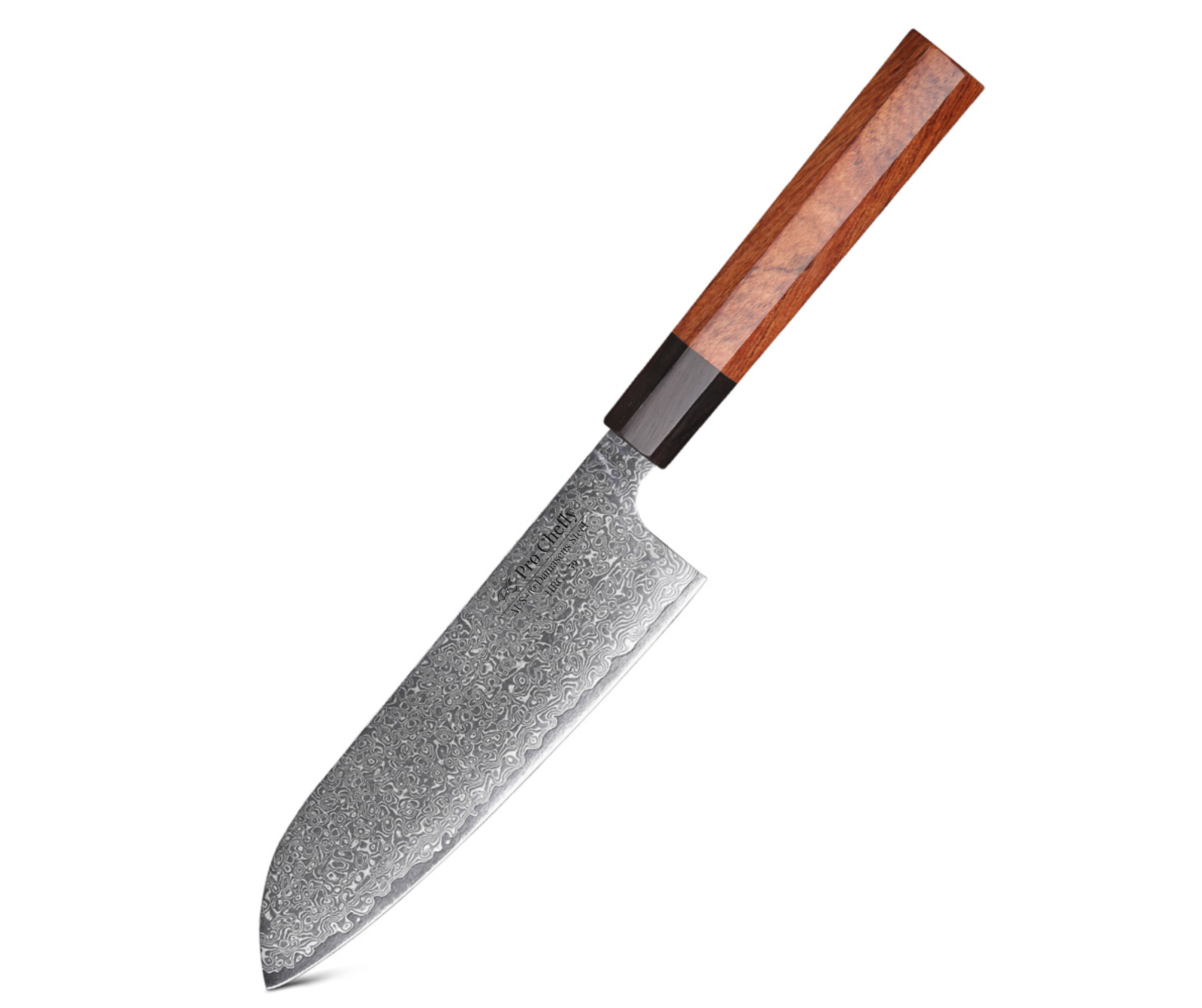
Santoku knives are generalists with a strong bias toward produce. Their flatter edge profile still allows a subtle rock, making them comfortable for cooks who transition between vegetables, proteins, and aromatics without switching blades. The granton edge often found on Santokus helps reduce sticking, especially with wetter produce like zucchini or cucumbers. The 7" VG-10 Damascus Santoku Knife balances sharpness and control, offering clean cuts that feel composed rather than aggressive. We explored this balance further in How a Santoku Knife Handles Daily Prep Work, where versatility becomes the real selling point.
When Santoku Shines on the Board
Santoku knives excel when variety defines the task list. Slicing peppers, mincing garlic, chiffonading herbs, then pivoting to a quick protein trim all feel natural. The blade length keeps movements tight and efficient, especially in smaller kitchens or crowded prep spaces.
Why Nakiri Knives Are Built for Vegetables First
Nakiri knives don’t pretend to be anything other than vegetable specialists. Their straight edge and tall blade encourage a pure push-cut motion that stays consistent across dense produce. There’s no rocking, no tip work, just clean, vertical cuts that stay uniform from the first slice to the last. The 7" VG-10 Damascus Nakiri Knife highlights what this design does best, creating even slices with minimal effort while keeping knuckles safely clear. As discussed in Why Nakiri Knives Create the Most Even Vegetable Cuts, uniformity isn’t just aesthetic, it affects cooking times and texture.
The Satisfaction of Straight Cuts
Nakiri knives reward commitment. Once you settle into their rhythm, prep becomes almost meditative. Root vegetables fall away cleanly, leafy greens stack neatly, and repetition feels effortless rather than tiring.
Steel Choice and Its Impact on Vegetable Performance
Vegetable prep exposes edge performance quickly. Repeated board contact, moisture, and fibrous textures demand a steel that holds sharpness without becoming fragile. VG-10 Damascus steel offers refined edge retention and stability, making it ideal for precise vegetable work. AUS-10 Damascus steel leans slightly tougher, forgiving heavy-handed cuts and fast-paced prep. The 7" Nakiri Knife in AUS-10 excels in high-volume environments where resilience matters. We broke this balance down in How VG-10 Damascus Steel Improves Knife Control, where steel choice subtly shapes cutting confidence.
Santoku vs Nakiri, Speed or Structure
Speed means different things depending on technique. Santoku knives move quickly through mixed prep because they adapt to changing tasks. Nakiri knives move quickly through vegetables because they never change the task at all. If your prep jumps between onions, herbs, and proteins, Santoku keeps momentum. If your board is covered in produce alone, Nakiri delivers unmatched consistency. This distinction echoes what we covered in Which Is More Efficient, Santoku vs Nakiri for Home Cooks, where efficiency depends on context, not just blade shape.
How Pro Chefly Thinks About Produce-Driven Knives
At Pro Chefly, knife design starts with how food actually gets prepped. Santoku and Nakiri knives aren’t competitors in our lineup, they’re solutions for different cooking styles. Santoku knives support cooks who want flexibility without sacrificing vegetable performance. Nakiri knives support cooks who want vegetables treated with the same respect as proteins. This thinking aligns with Our Philosophy – Sharpness, Honesty, and Craftsmanship, where purpose guides design rather than trends.
The Knife That Wins Is the One That Matches Your Motion
There’s no universal winner between Santoku and Nakiri, only a better match for your habits. Santoku wins when variety and adaptability define your prep. Nakiri wins when vegetables take center stage and precision matters most. When a knife supports your natural motion instead of forcing a new one, prep feels smoother, faster, and more satisfying. That’s the real victory at the board, and it’s why understanding the difference matters more than picking a side.
Knife Collections
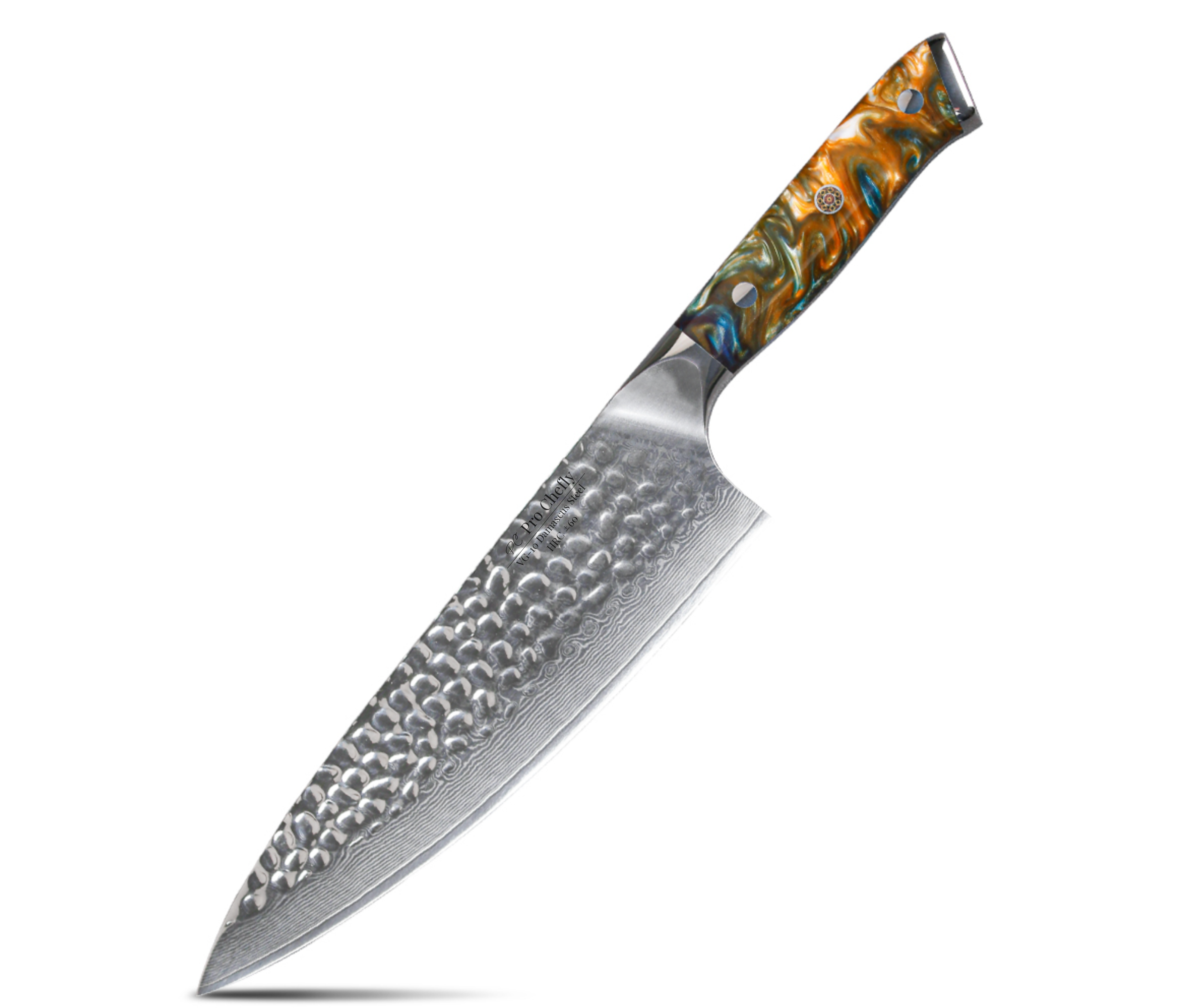
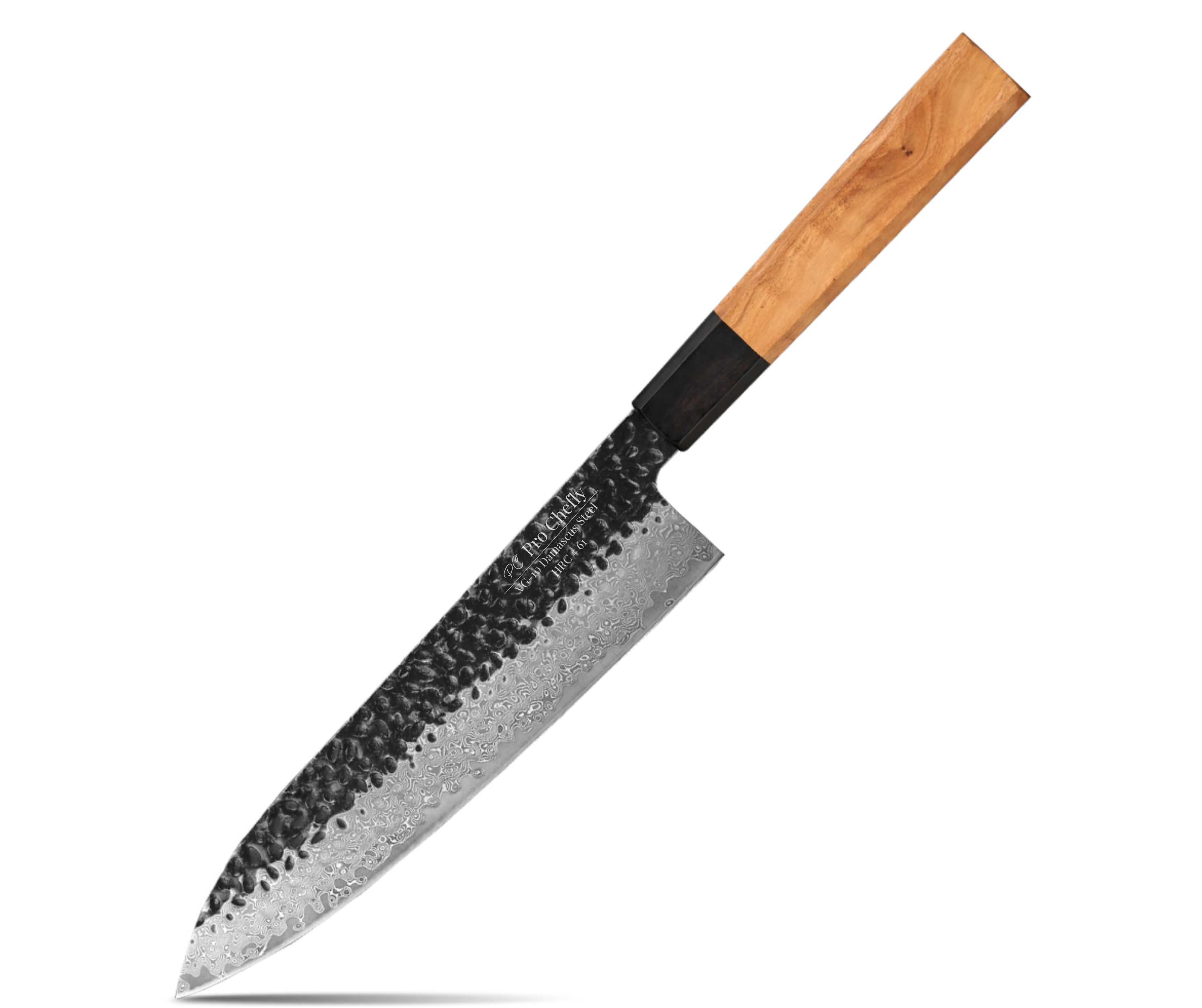
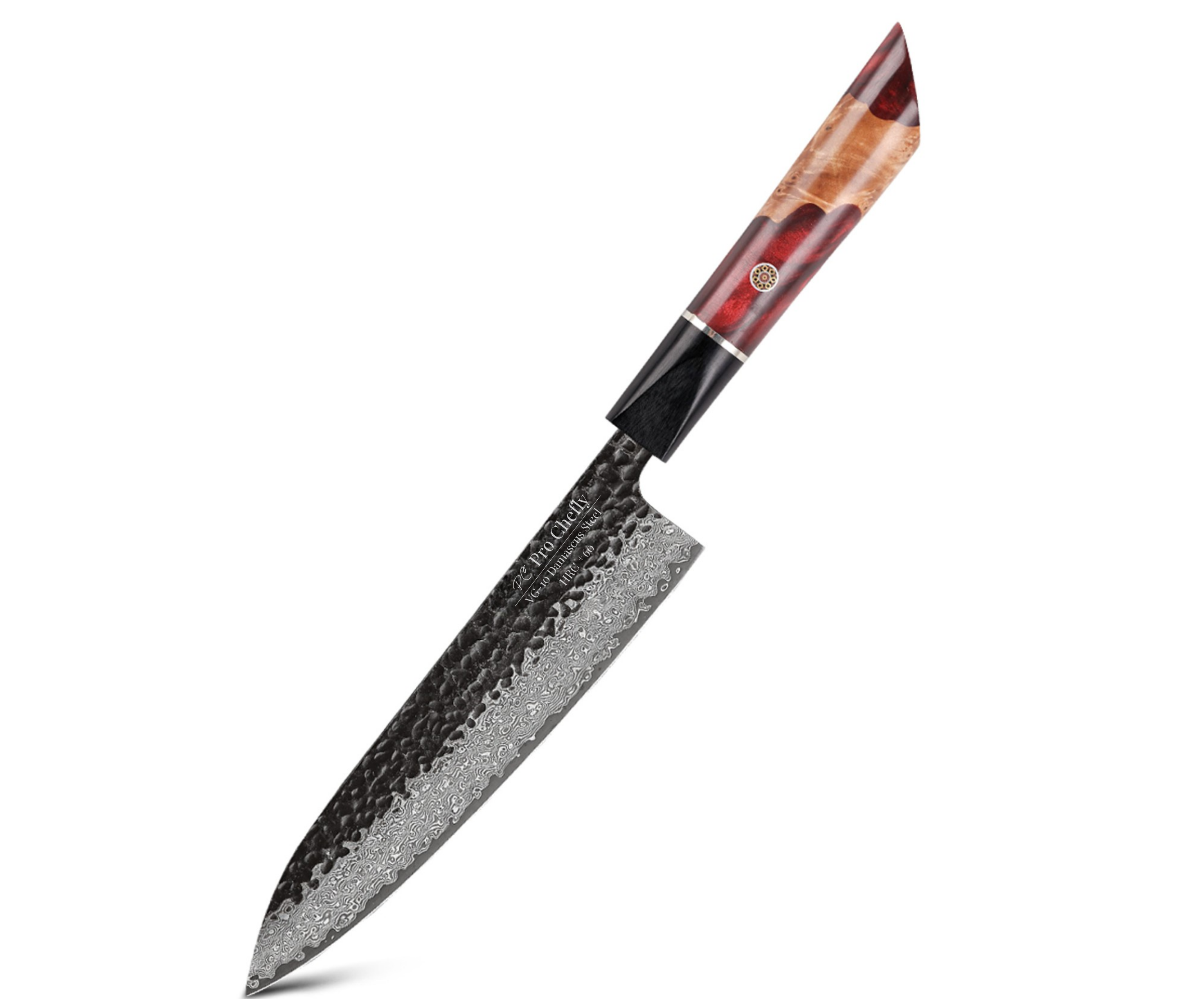
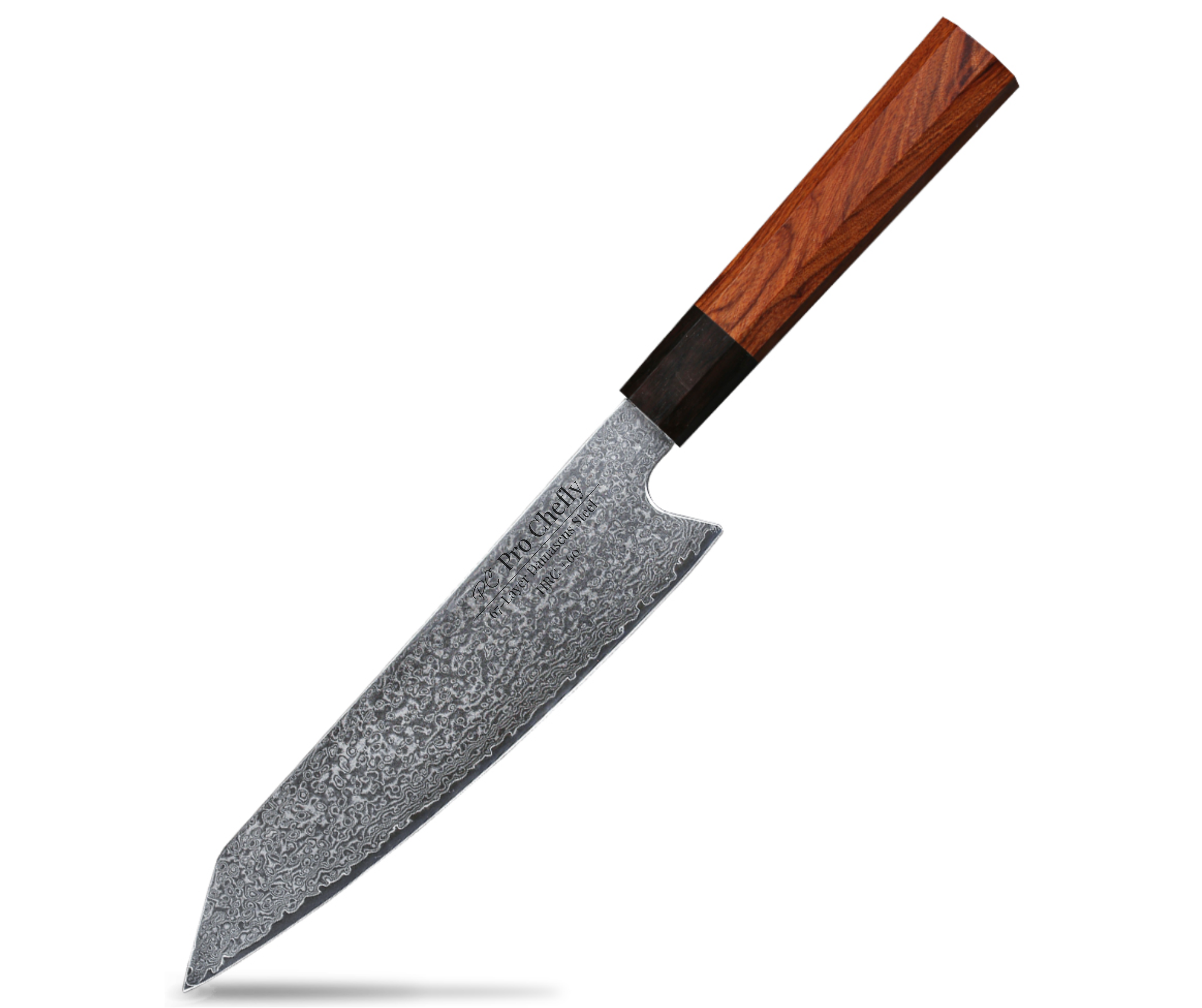
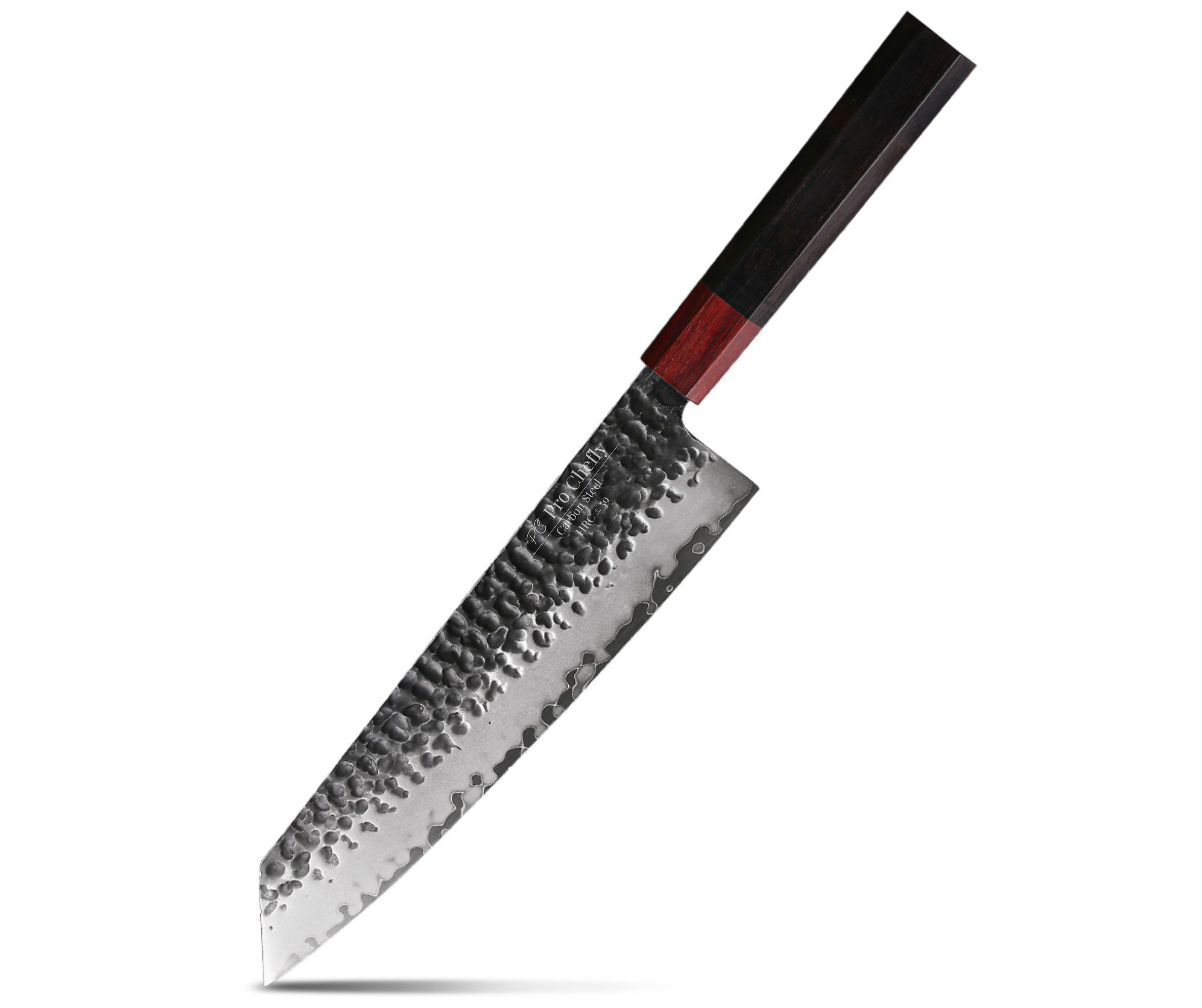
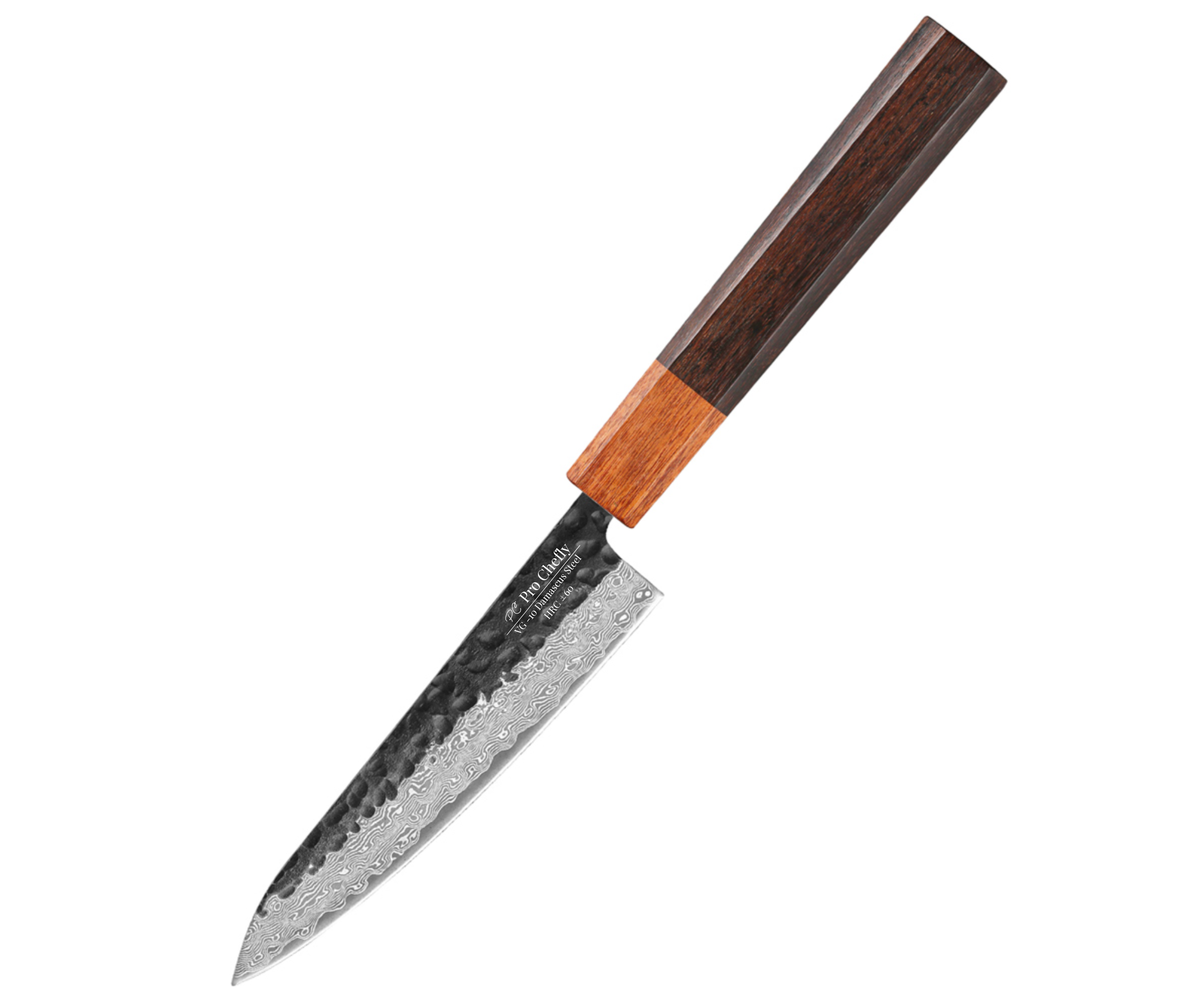
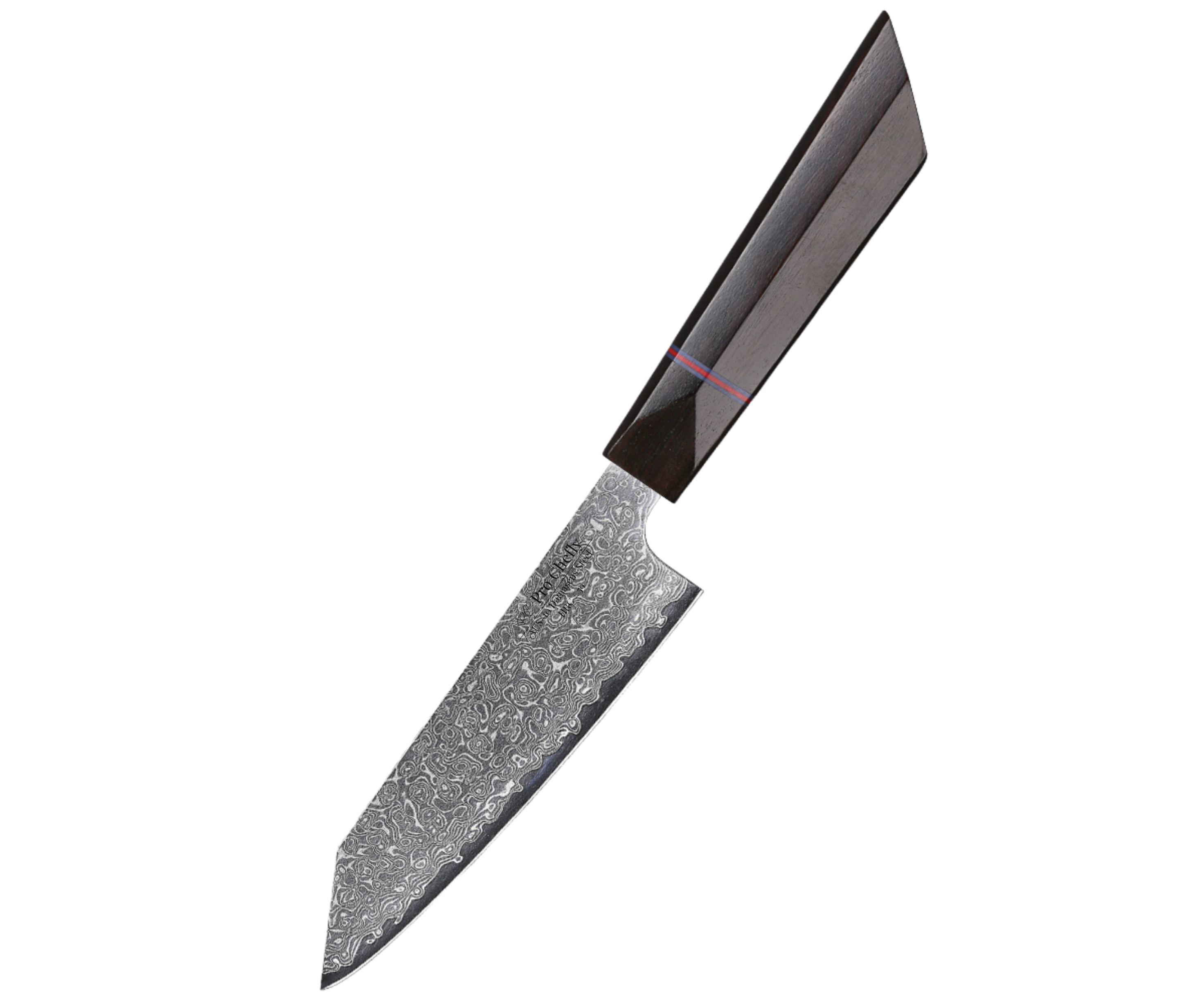
Shop the latest in Pro Chefly Damascus Knives





Chef's Notes
Stay up to date with the latest kitchen stories and recipes

- March 25, 2026
Dear Chefs, this is one of those dishes that feels like it belongs next to the ocean, even if you’re...

- March 23, 2026
Dear Chefs, this is the kind of spring dish that wakes up your entire kitchen the moment it hits the...

- March 19, 2026
Dear Chefs, some dinners don’t whisper, they walk into the kitchen with confidence and a little swagger. Surf and Turf...

- March 17, 2026
Dear Chefs, there’s something satisfying about a dish that feels wholesome, bright, and quietly comforting all at the same time....

- March 13, 2026
Dear Chefs, there is something about cooking whole fish that feels both elegant and surprisingly simple once you understand the...

- March 11, 2026
Dear Chefs, spring cooking always pulls me toward dishes that feel light, bright, and quietly luxurious without trying too hard....
- Choosing a selection results in a full page refresh.
- Opens in a new window.