

Chef’s Overview
Dear Chefs, Santoku versus Nakiri debates usually start with shape, but they end with movement. These knives don’t just cut differently, they ask you to cut differently. Today we’re breaking down how cutting style, not preference or trend, determines which blade belongs in your hand. Once you understand how each knife wants to move, the decision becomes instinctive.

Cutting Style Reveals More Than Blade Shape Ever Will
Watch someone prep vegetables for five minutes and you’ll learn everything about the knife they should be using. Some cooks lift and drop, others glide forward, and some never leave the board at all. Cutting style exposes habits faster than specs ever could. Santoku and Nakiri knives aren’t competing versions of the same idea, they’re tools built for entirely different rhythms. We touched on this distinction before in Santoku vs Nakiri, What’s Best for Fast Vegetable Work, but cutting style is where the difference becomes unavoidable. Once the blade starts moving, design intent shows itself immediately.
Santoku Knives Favor Lift, Chop, and Control
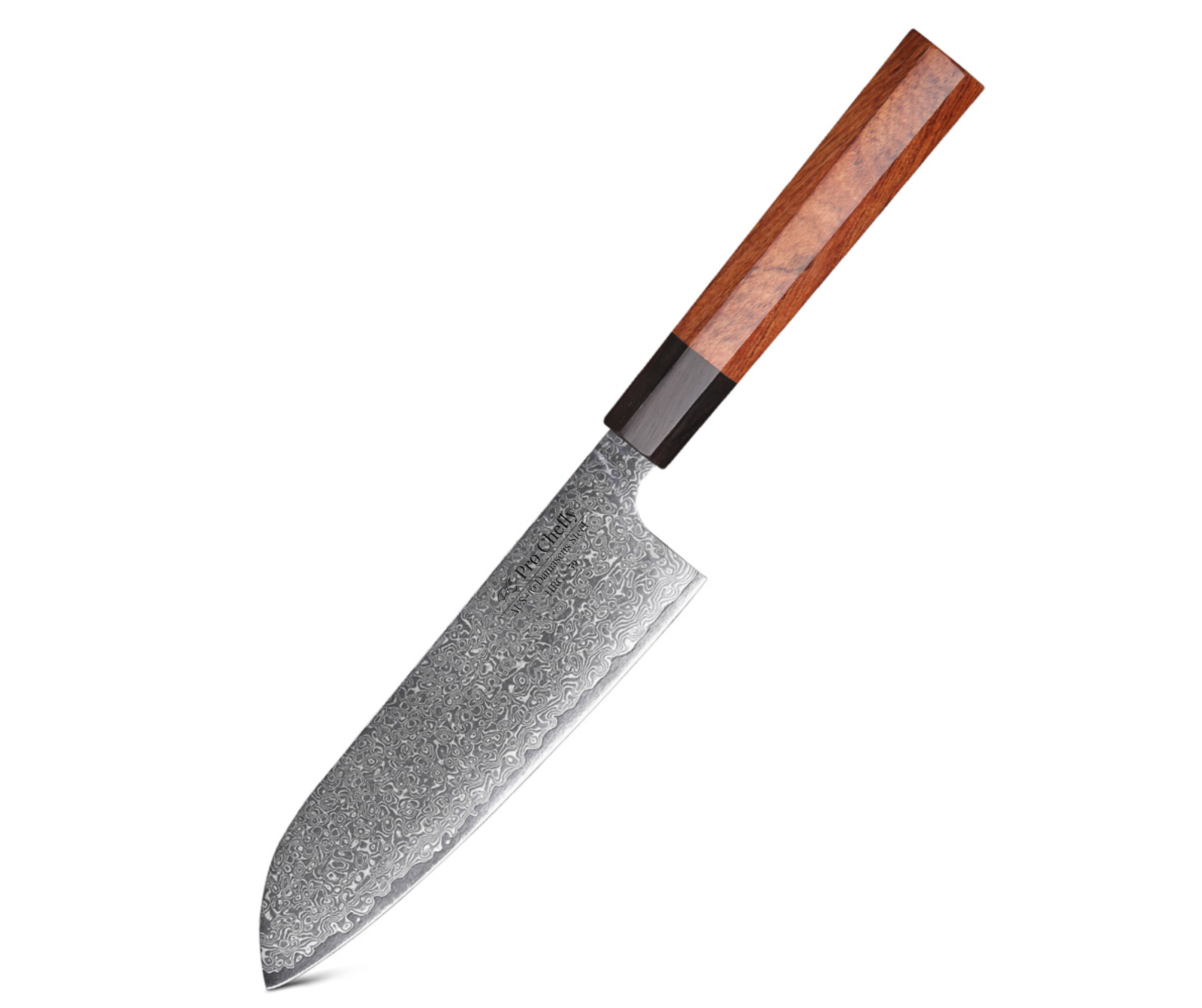
Santoku knives thrive on vertical motion. The flatter belly combined with a subtle curve near the tip encourages a lift-and-drop chopping style rather than long slicing strokes. If your prep involves quick vegetable chops, protein portions, or mixed ingredients that demand frequent hand repositioning, the Santoku feels natural. The shorter blade length increases control, especially in compact kitchens or crowded boards. As we explored in Why Santoku Knives Offer Balanced Handling, balance isn’t just weight distribution, it’s how confidently a knife resets between cuts. The 7" VG-10 Damascus Santoku Knife supports this motion beautifully. VG-10 steel keeps the edge stable through repeated impacts, while the Santoku profile rewards decisive, vertical cuts. If your knife work sounds rhythmic and percussive, this blade usually fits your style.
Nakiri Knives Reward Glide, Push, and Commitment
Nakiri knives don’t want to be lifted. They want to stay down. Designed for continuous board contact, Nakiri knives favor push cuts and long, uninterrupted slicing motions. The tall, rectangular blade excels when vegetables are lined up and prep becomes methodical. We’ve discussed this efficiency in Why Nakiri Knives Create the Most Even Vegetable Cuts, where consistency mattered more than speed alone. The 7" VG-10 Damascus Nakiri Knife turns cutting into a smooth, forward glide. VG-10 steel enhances that sensation by maintaining edge sharpness without chatter. When your cutting style involves commitment to each stroke rather than quick resets, the Nakiri feels effortless rather than restrictive. This knife doesn’t rush. It rewards intention.
The Sound Test Most Cooks Don’t Notice
There’s an easy way to tell which knife suits your style. Listen. Santoku cuts sound staccato, light taps, quick resets, repeated contact. Nakiri cuts sound quieter, longer, smoother, with fewer lifts. That auditory difference reflects how the blade interacts with the board. We highlighted this sensory feedback in How Santoku vs Nakiri Shapes Vegetable Prep Speed, where speed wasn’t just about time, it was about motion efficiency. Cutting style determines fatigue, accuracy, and flow long before speed becomes relevant. When the sound feels wrong, the knife probably is.
Why Forcing the Wrong Style Feels Awkward
Problems arise when cooks force a knife into the wrong motion. Using a Santoku for long slicing feels choppy. Using a Nakiri for constant lift-and-drop feels clumsy. Neither knife is misbehaving, the motion simply conflicts with the design. This is why some cooks dismiss Nakiri knives as awkward or Santokus as limited. The issue isn’t the blade, it’s the mismatch. Once you align cutting style with knife intent, frustration disappears almost instantly. Blade shape guides movement whether you notice it or not.
Choosing Based on How You Move, Not What You Cook
Many guides ask what you cook most often. A better question is how you cut. If your knife work involves frequent lifting, mixed tasks, and adaptive motion, Santoku knives excel. If your prep is vegetable-focused, linear, and grounded to the board, Nakiri knives dominate. Neither is better universally, but each is unbeatable within its rhythm. That distinction is why both knives earn space in serious kitchens. Different motions demand different tools.
The Blade That Matches Your Hands Wins Every Time
Cutting style is personal. It develops unconsciously over years of repetition. The right knife doesn’t correct your motion, it supports it. Santoku knives amplify controlled chopping. Nakiri knives amplify smooth, continuous slicing. When steel, shape, and motion align, prep stops feeling technical and starts feeling intuitive. Choose the knife that moves the way you already do. The board will tell you when you’re right.
Knife Collections
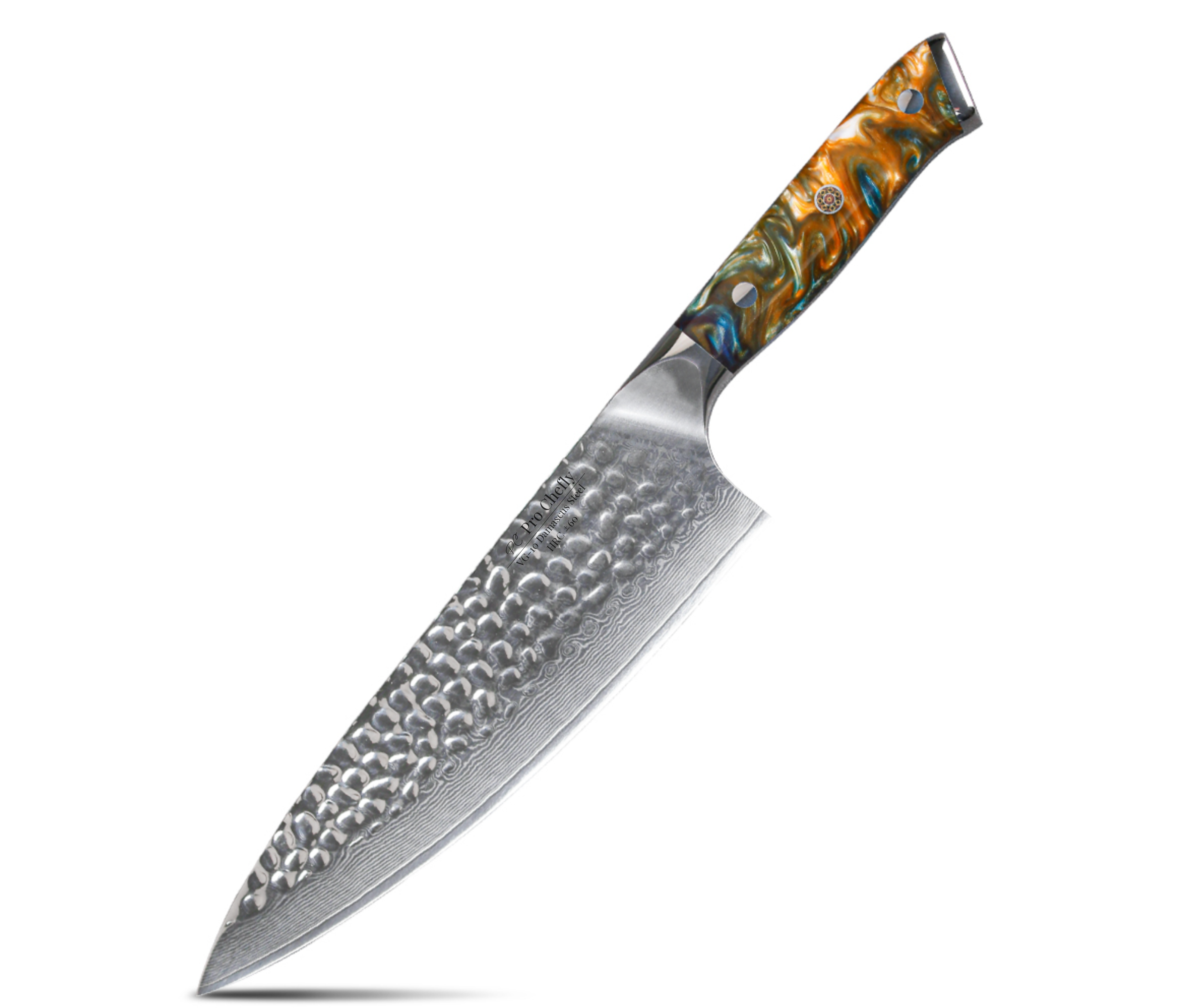
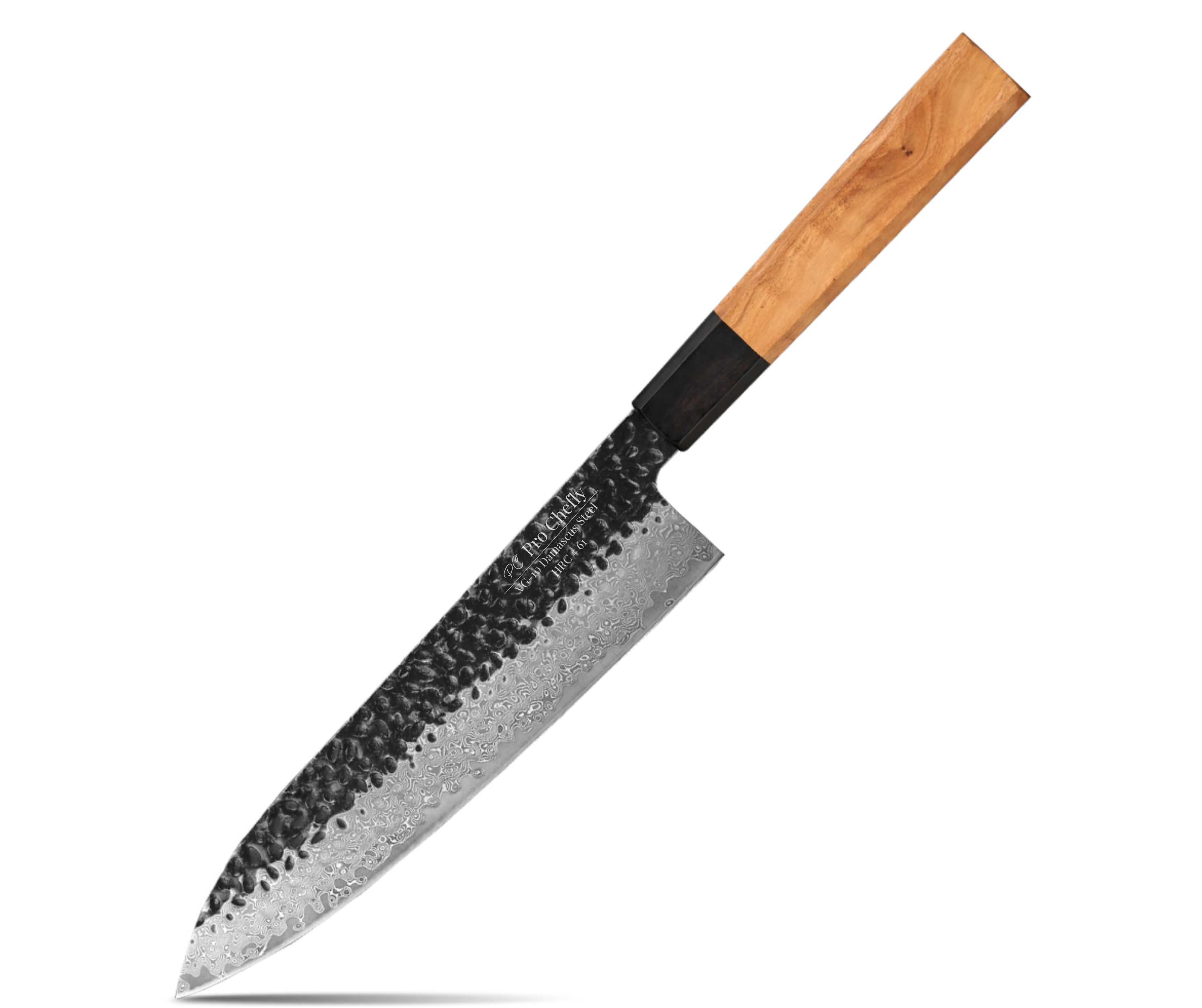
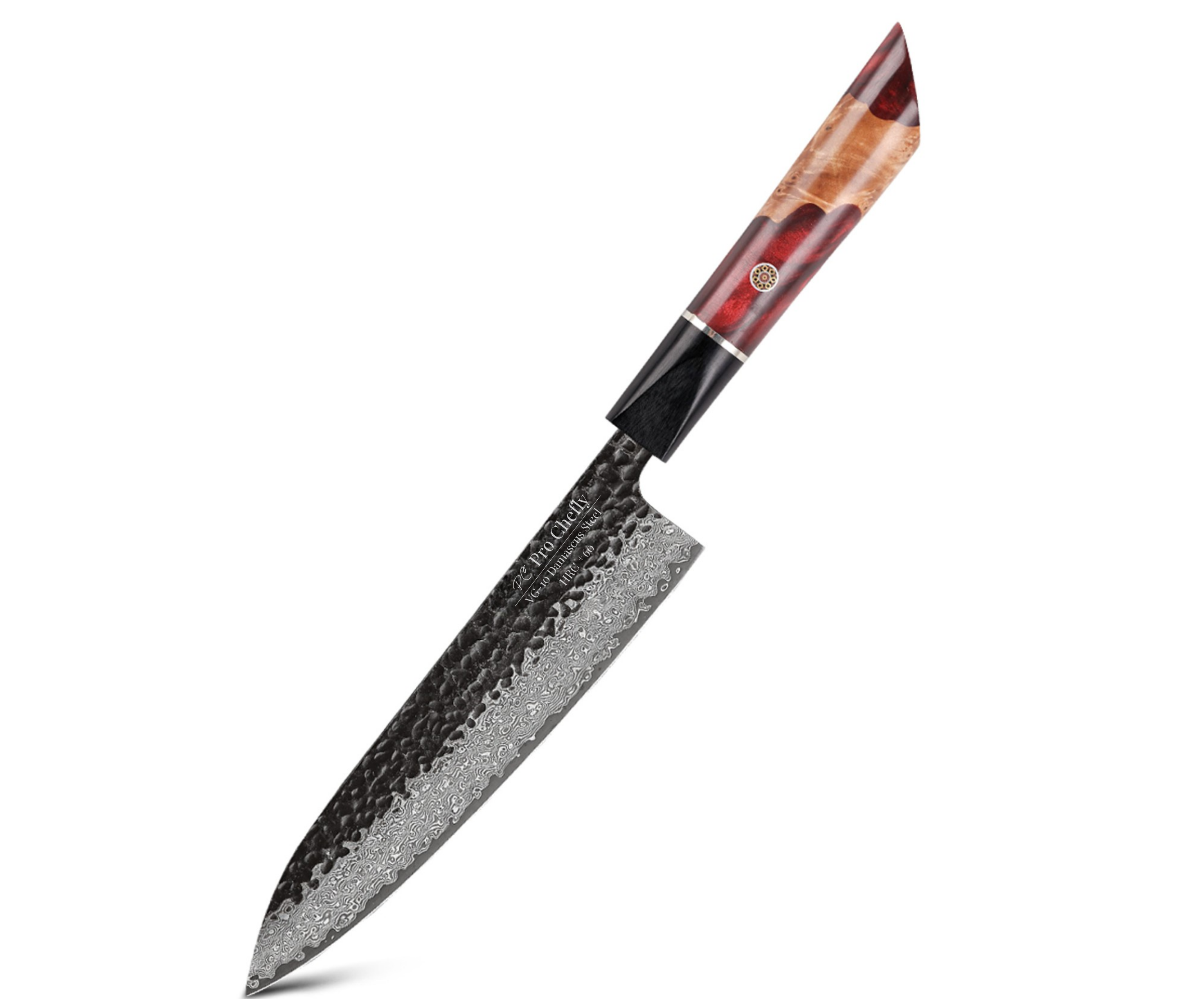
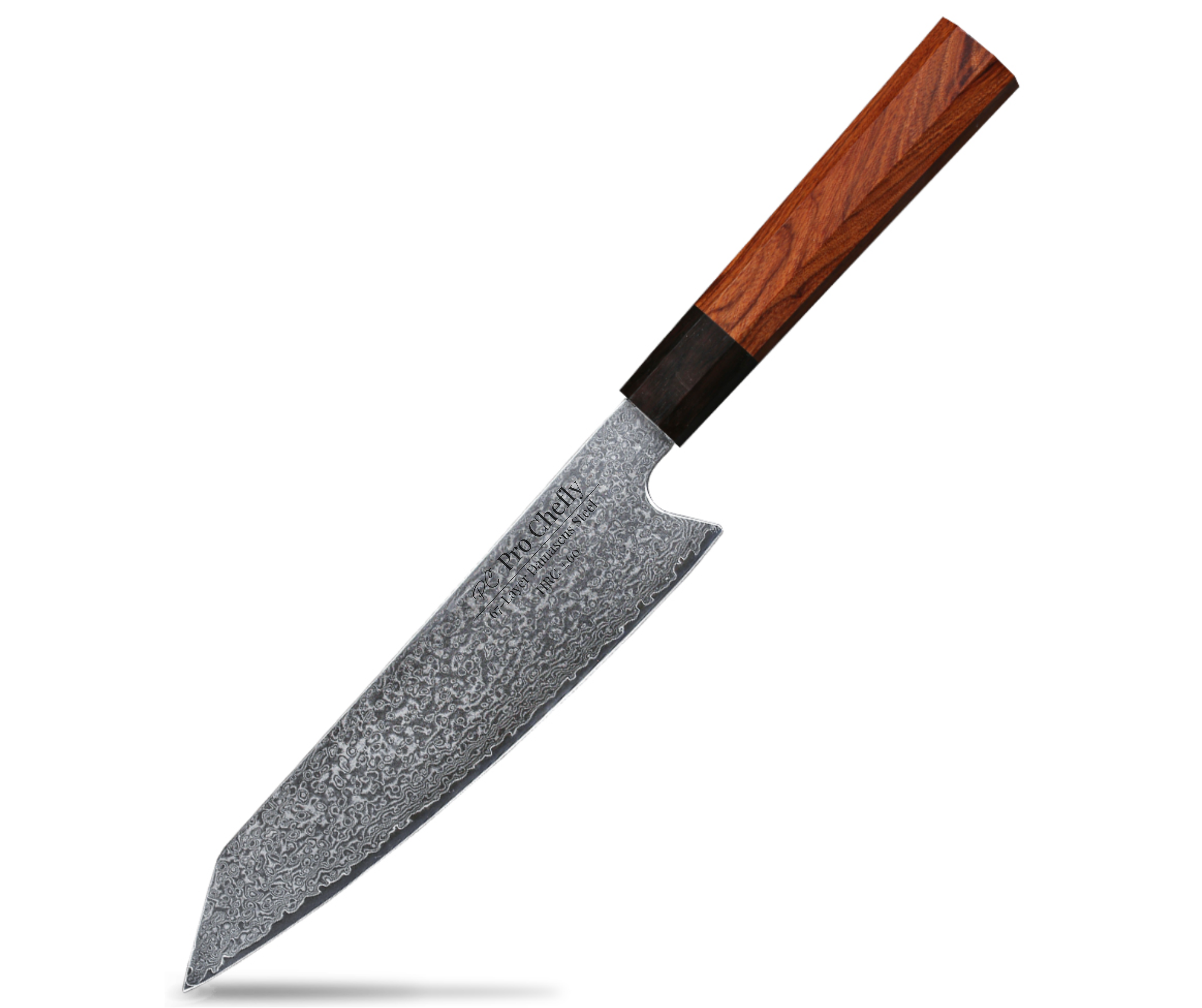
Shop the latest in Pro Chefly Damascus Knives





Chef's Notes
Stay up to date with the latest kitchen stories and recipes

- March 25, 2026
Dear Chefs, this is one of those dishes that feels like it belongs next to the ocean, even if you’re...

- March 23, 2026
Dear Chefs, this is the kind of spring dish that wakes up your entire kitchen the moment it hits the...

- March 19, 2026
Dear Chefs, some dinners don’t whisper, they walk into the kitchen with confidence and a little swagger. Surf and Turf...

- March 17, 2026
Dear Chefs, there’s something satisfying about a dish that feels wholesome, bright, and quietly comforting all at the same time....

- March 13, 2026
Dear Chefs, there is something about cooking whole fish that feels both elegant and surprisingly simple once you understand the...

- March 11, 2026
Dear Chefs, spring cooking always pulls me toward dishes that feel light, bright, and quietly luxurious without trying too hard....
- Choosing a selection results in a full page refresh.
- Opens in a new window.