

Chef’s Overview
Dear Chefs, let’s be honest—our kitchen drawers say a lot about us. Some of us hoard gadgets like they’re Pokémon, others keep a single knife and call it minimalism. But when it comes down to precision and performance, two small-but-mighty blades always battle for top billing: the paring knife and the utility knife. Today, I’m slicing through the myths and the meat of this debate to help you figure out which blade truly earns a permanent spot in your kitchen lineup.

The Small Knife Dilemma – When Size Meets Skill
It’s funny, isn’t it? We’ll spend hours debating our favorite chef knives (and yes, I’ve done the same with my 8" VG-10 Damascus Chef Knife) but overlook the two unsung heroes hiding in our drawers. Both the paring and utility knives are small, sure—but they’re powerhouses in their own right. One’s the scalpel of the kitchen, the other’s the multitool you didn’t know you needed.
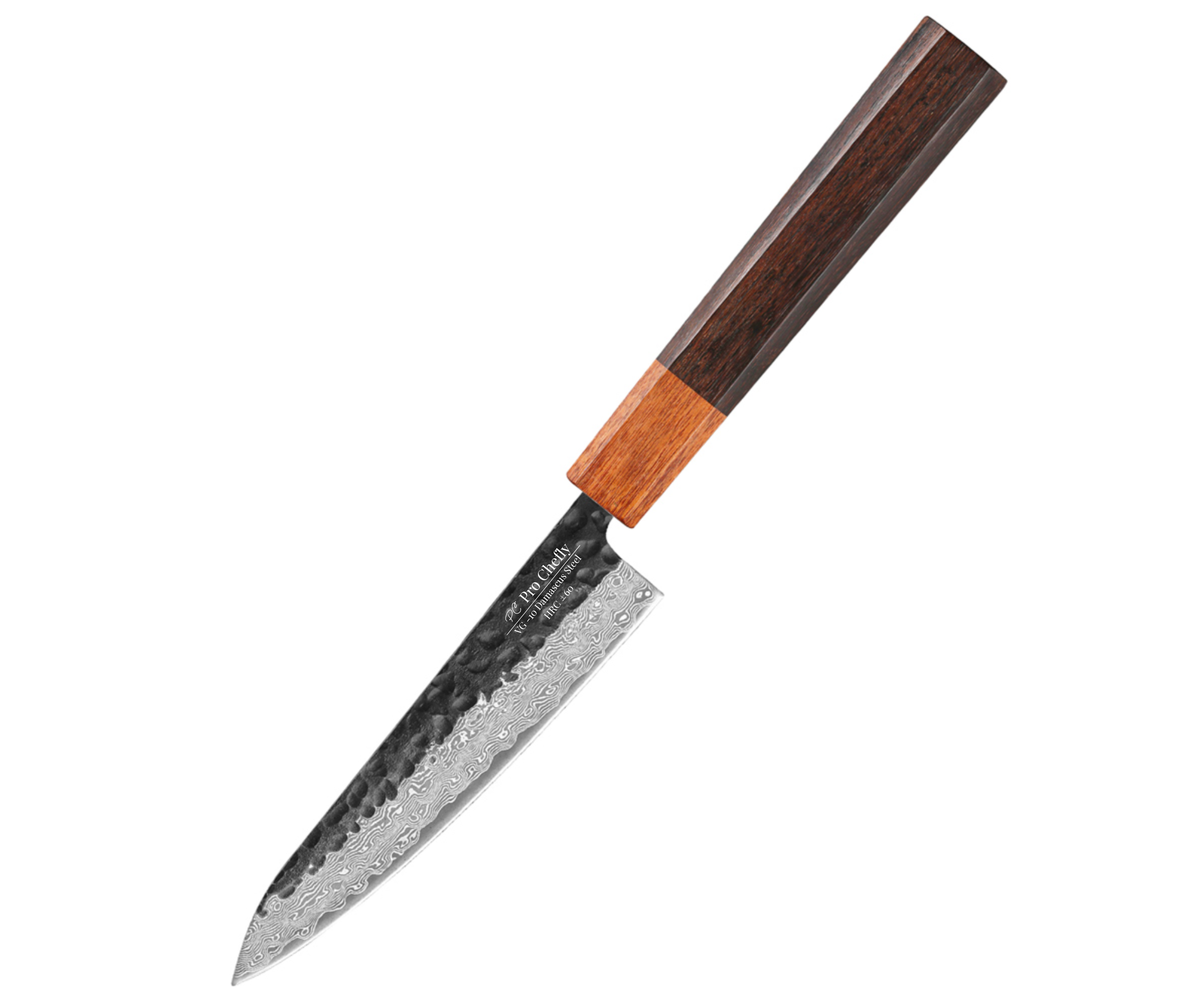
I remember prepping a holiday platter last year and instinctively reaching for my 5" VG-10 Damascus Petty Knife—only to realize halfway through that a paring knife would’ve saved me time and cleaner cuts. That was my aha moment: these knives may look similar, but their jobs couldn’t be more different.
As I mentioned in What Are the Best Uses for a Paring Knife in Halloween Treat Prep, size doesn’t define capability—it’s precision that does. And when you match the right knife to the right task, the results are seamless.
Precision vs Versatility – Understanding Their Core Purpose
Let’s break down the real differences, because this isn’t just about blade length—it’s about purpose.
Paring Knife – The Sculptor’s Tool
Think of the paring knife as your fine artist. It’s for peeling, trimming, coring, and shaping—tasks that demand delicate control and finesse. Whether you’re peeling an apple or deveining shrimp, the paring knife is made to move with your hand, not just through the food.
In What Are the Pros and Cons of Investing in a High-End Chef Knife, I mentioned how balance matters as much as sharpness. That’s doubly true for a paring knife. The 3.5" VG-10 Damascus Paring Knife is one I reach for when I need scalpel-level accuracy—it glides like a whisper through fruit skins and soft vegetables.
Utility Knife – The Kitchen’s Middleweight Champ
Now, the utility knife is your bridge between a paring knife and a chef’s knife. Slightly longer—typically 5 to 6 inches—it’s ideal for cutting sandwiches, slicing cheese, trimming herbs, or working through mid-sized produce. If the paring knife is for precision, the utility knife is for adaptability.
When I covered Can One Chef Knife Replace All the Other Knives in a Kitchen, I hinted that while a great chef knife handles 80% of your prep, a utility knife fills that crucial 15% gap you didn’t know existed. It’s lighter, faster, and more nimble than a chef knife but offers more control than a paring knife.
Steel, Sharpness, and Feel – How Material Matters
In our How Does VG-10 Compare to AUS-10 and Other Premium Steels blog, we broke down why high-quality steel determines how long your edge lasts and how consistently it performs. The same principle applies here.
If you’re looking for edge retention and razor precision, go with VG-10. It’s the reason I trust the 5" VG-10 Damascus Petty Knife for delicate fruit cuts—it holds its bite through every slice. But if you prefer a knife that’s slightly tougher and more resistant to micro-chipping, AUS-10 might be your pick. The 5" AUS-10 Damascus Petty Knife offers that little extra durability for home cooks who are still mastering their grip.
Texture also plays a role. A comfortable handle—like those on our Damascus series—turns repetitive prep into a rhythmic motion rather than a strain. After all, knives aren’t just tools, they’re extensions of your craft.
Which One Belongs in Your Drawer – The Chef’s Verdict
So, which do I think deserves the prime real estate in your kitchen drawer?
If you love detail work—like removing strawberry tops, mincing garlic, or peeling citrus—the paring knife wins every time. It’s lightweight, nimble, and precise enough to let you feel every layer of what you’re cutting.
But if your everyday cooking leans toward versatility—slicing sandwiches, halving tomatoes, portioning small meats—the utility knife might just steal your heart. It’s the bridge between tasks, the middleweight champion of your knife set.
Honestly, Dear Chefs, there’s no true winner. The real magic comes from knowing when to use each. That’s the hallmark of a pro: understanding the nuance behind the blade.
And if you’re upgrading, consider pairing your paring or utility knife with the 8" VG-10 Damascus Chef Knife for a perfectly balanced trio. That’s your kitchen’s holy trinity—precision, versatility, and power.
The Season of Sharp Choices – A Chef’s Wrap-Up
As we roll into this season of hearty stews, roasts, and festive feasts, think of your knife drawer as a reflection of your craft. Every blade has a story, and every choice has intent.
In Why Every Kitchen Needs a Reliable Chef Knife, I said that knives are more than tools—they’re companions. The same goes for these smaller blades. They’re there for the quiet tasks, the quick cuts, the intricate prep moments that make a dish truly yours.
So this season, open that drawer and take a look. Are your knives just sitting there, or are they ready to work with you? Choose wisely, sharpen often, and cook boldly.
Because in a kitchen led by passion, even the smallest knife can make the biggest difference.
Knife Collections
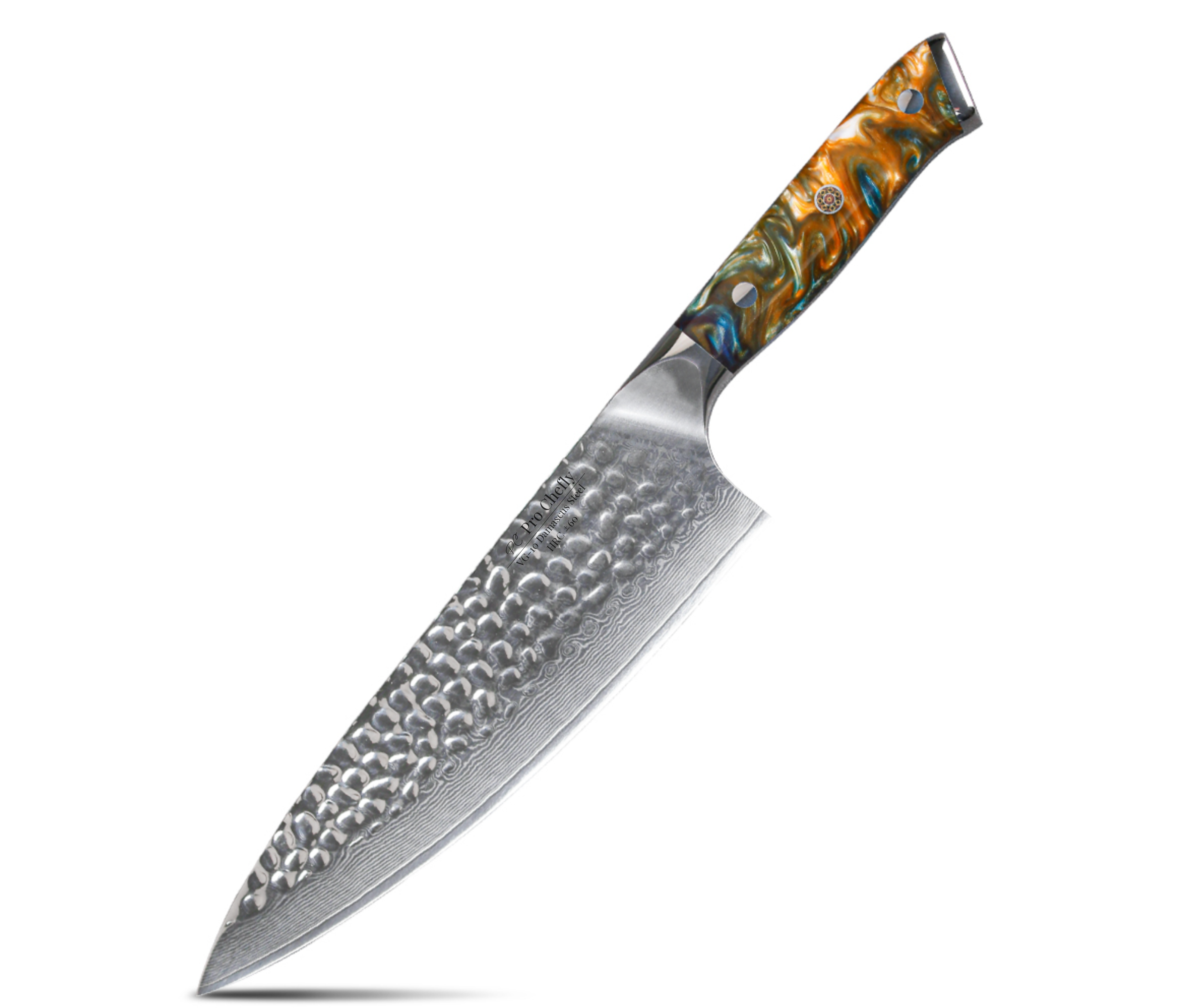
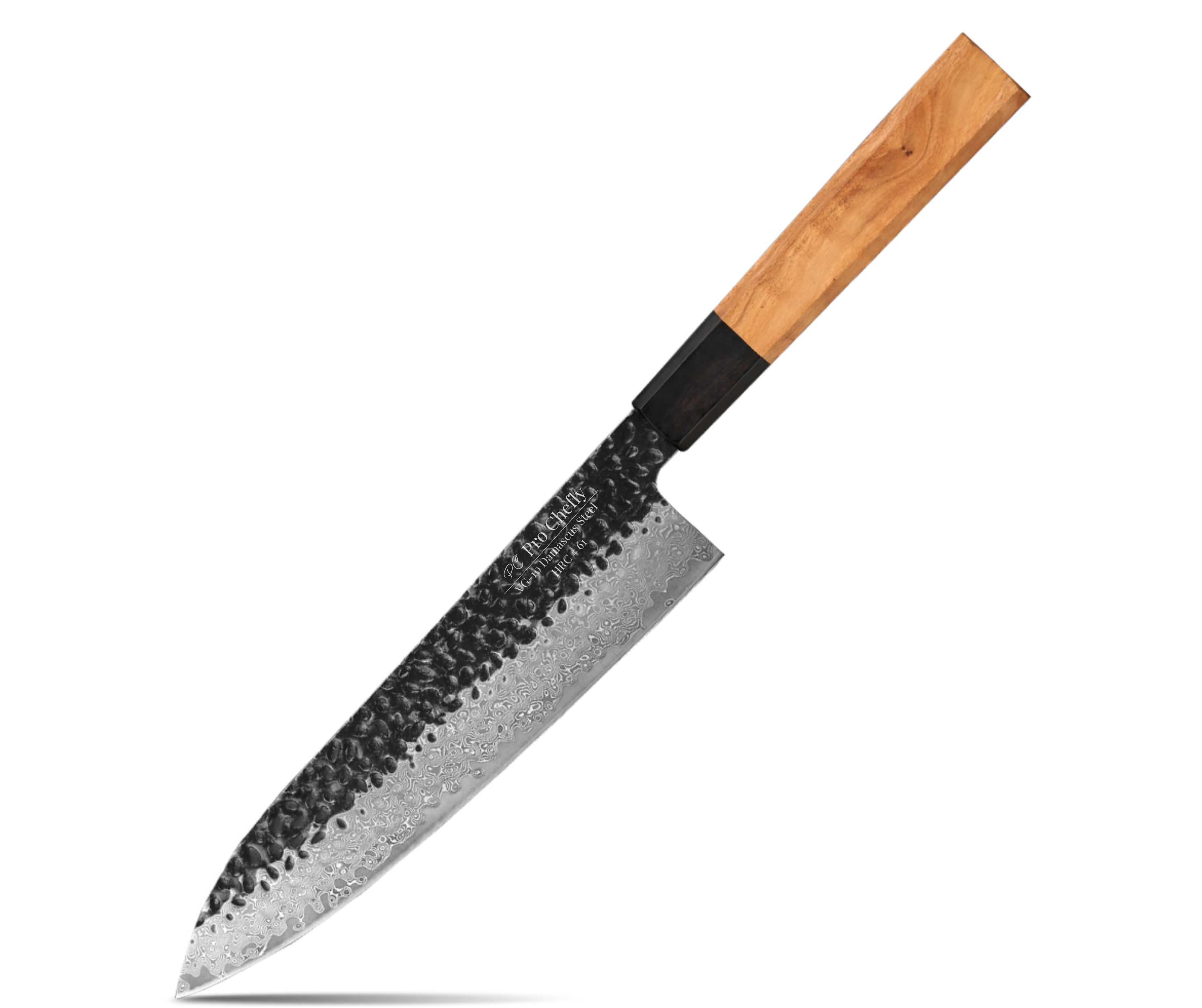
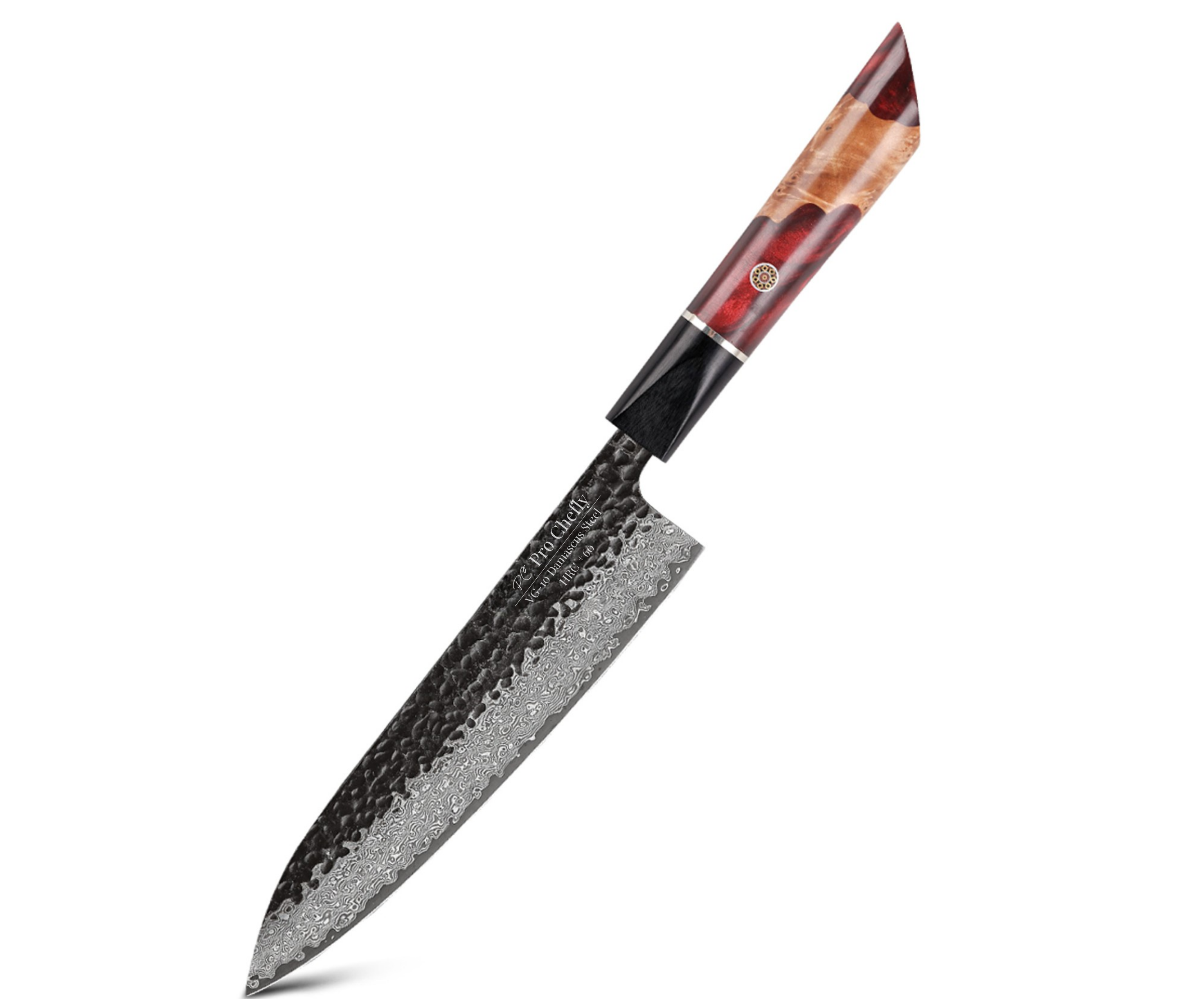
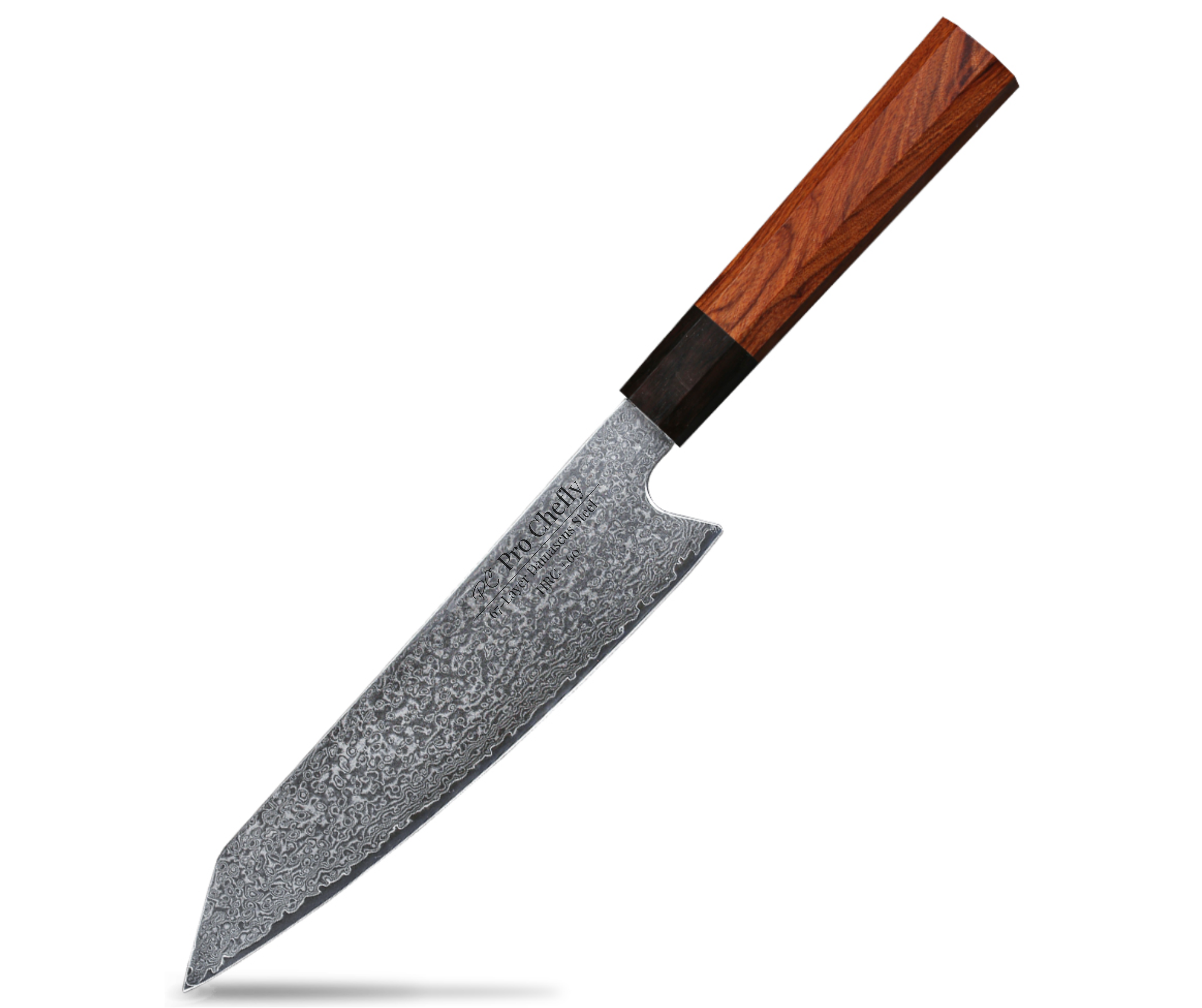
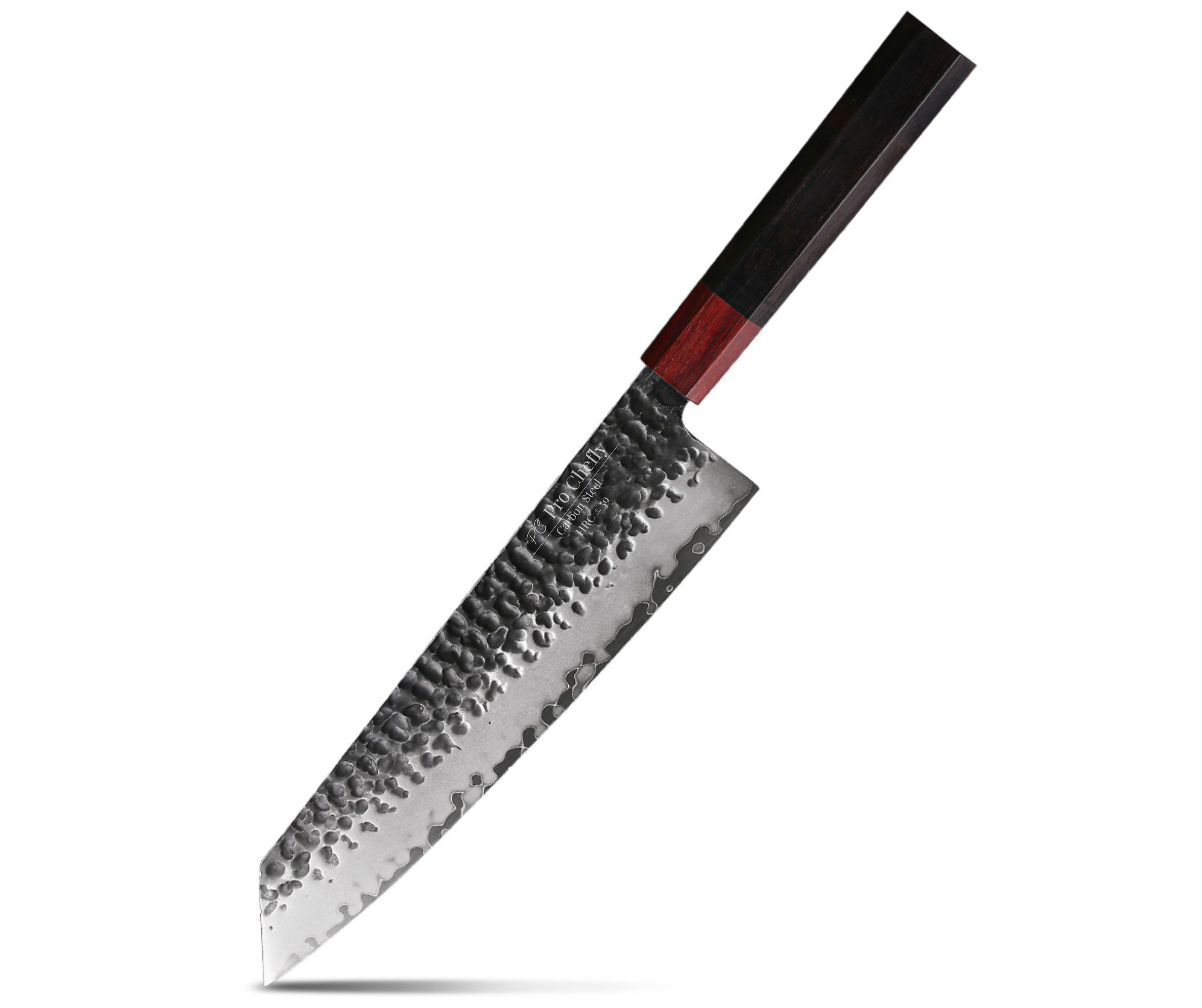
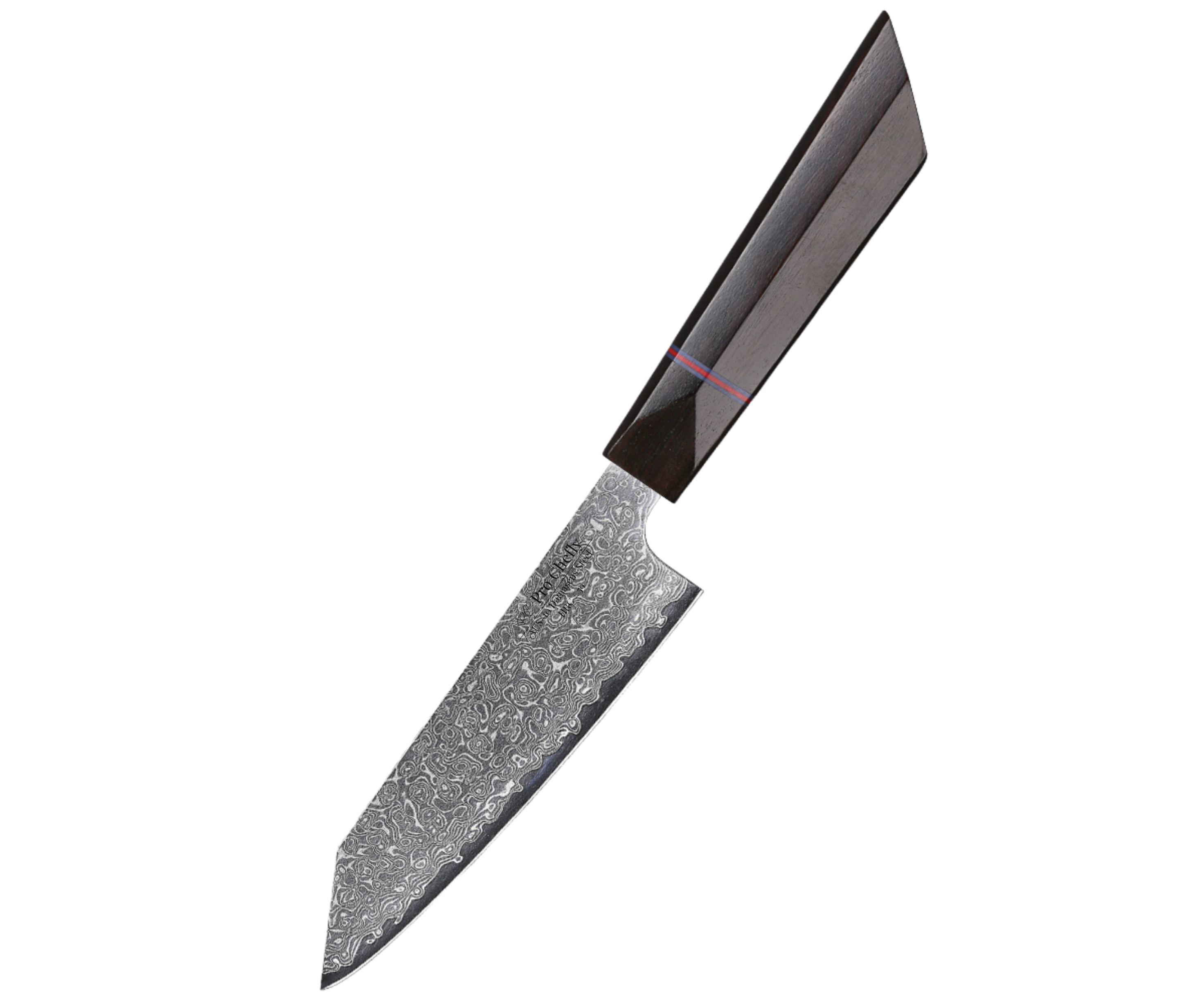
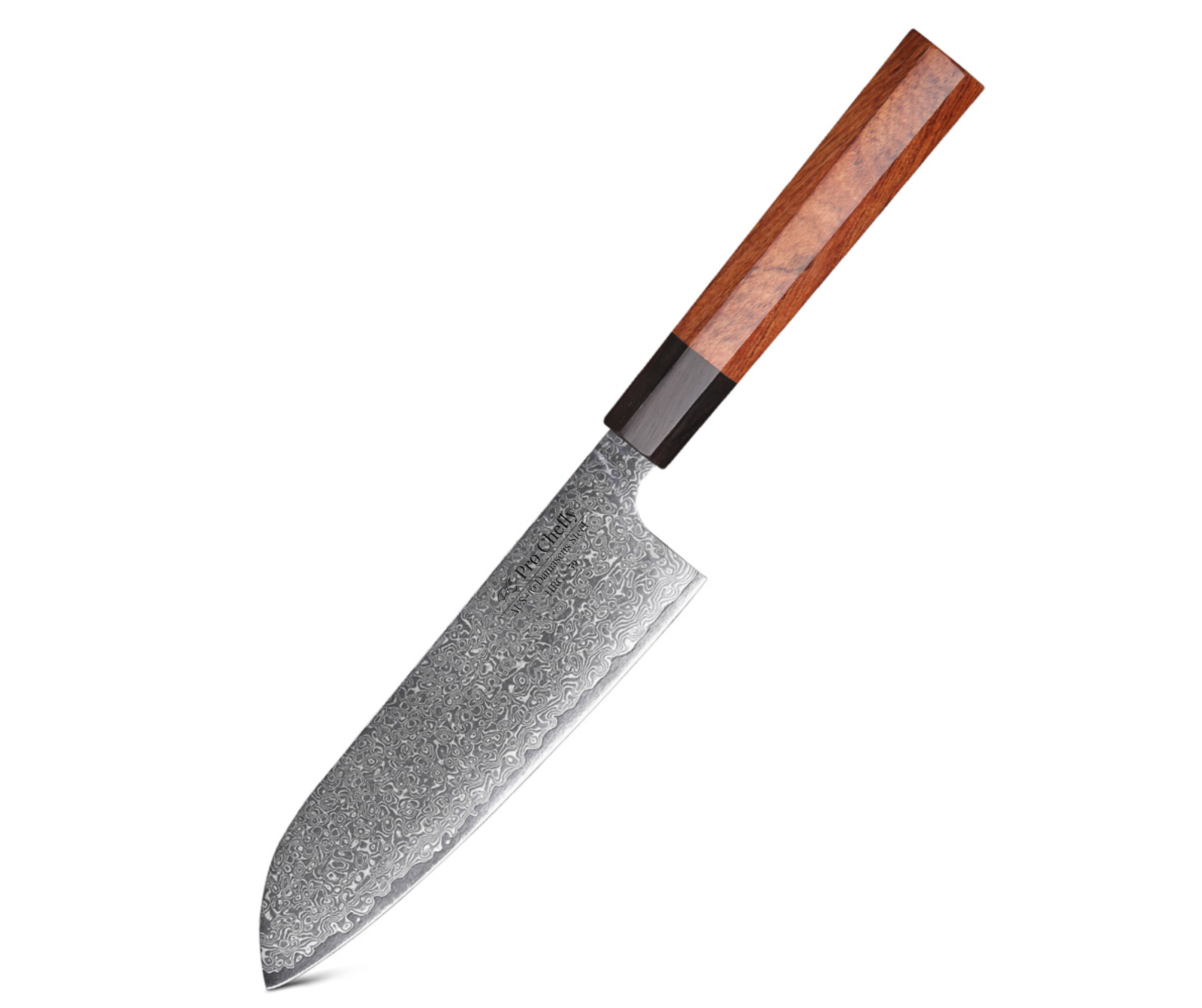
Shop the latest in Pro Chefly Damascus Knives





Chef's Notes
Stay up to date with the latest kitchen stories and recipes

- March 25, 2026
Dear Chefs, this is one of those dishes that feels like it belongs next to the ocean, even if you’re...

- March 23, 2026
Dear Chefs, this is the kind of spring dish that wakes up your entire kitchen the moment it hits the...

- March 19, 2026
Dear Chefs, some dinners don’t whisper, they walk into the kitchen with confidence and a little swagger. Surf and Turf...

- March 17, 2026
Dear Chefs, there’s something satisfying about a dish that feels wholesome, bright, and quietly comforting all at the same time....

- March 13, 2026
Dear Chefs, there is something about cooking whole fish that feels both elegant and surprisingly simple once you understand the...

- March 11, 2026
Dear Chefs, spring cooking always pulls me toward dishes that feel light, bright, and quietly luxurious without trying too hard....
- Choosing a selection results in a full page refresh.
- Opens in a new window.