

Chef's Overview
Dear Chefs, if your vegetable cuts ever come out connected at the bottom like a paper fan, the problem is not your skill, it is your blade shape. The nakiri, with its flat, straight edge, is built to meet the cutting board fully on every stroke, and that simple design does wonders for what we call board awareness. Today we are digging into how a nakiri knife sharpens your sense of the board beneath the blade, giving you cleaner cuts, better rhythm, and a calmer, more confident hand with every vegetable you prep.

The Cutting Habit a Nakiri Knife Quietly Fixed for Us
For years we chalked up those annoying half-cut onion slices to hurried knife work, until a nakiri set the record straight in a single prep session. The moment we switched to that tall, flat blade, the pieces fell away cleanly onto the board, no sawing, no rocking, no stubborn strands hanging on, and it felt like someone had turned the lights on. What changed was not our hands but our contact with the board, because the nakiri's straight edge touches down along its whole length instead of just a curved sweet spot. That day we understood that a huge part of clean cutting is simply knowing, and feeling, exactly when your blade has met the board.
Board awareness is one of those quiet skills that separates smooth, satisfying prep from frustrating, uneven work. When you can feel your edge make full contact, you stop guessing, your cuts land complete, and your rhythm settles into something almost meditative. This is the same appreciation for how a blade feels in motion that we explored in When Chef Knife Weight Improves Cutting Comfort, because comfort and awareness truly go hand in hand at the board.
How the Nakiri Knife's Flat Edge Builds Board Awareness
To see why the nakiri excels here, we have to look at its defining feature, the long, straight cutting edge that runs nearly parallel to the board. Where a curved chef knife is designed to rock, lifting and lowering through a cut, the nakiri is built to move straight up and down, meeting the board flush along its entire length. That difference in geometry is the whole reason this knife makes you so aware of the surface beneath it, and the details below explain how.
The Straight, Flat Profile of the Nakiri Knife
The nakiri's flat edge means that when you push down, the entire blade contacts the board at the same moment, slicing cleanly through the vegetable in one decisive motion. There is no rocking and no rounded belly to leave the ends of your cut attached, so slices separate completely and fall neatly to either side. That full-length contact gives you immediate, tactile feedback the instant the edge touches down, which is exactly the sensation that trains your board awareness. Over time, that feedback becomes second nature, and your cuts grow faster and more precise almost without thinking.
How Full Board Contact Sharpens Your Cutting Rhythm
Because the nakiri lands flush every time, it encourages a clean, consistent up-and-down rhythm that is easy to learn and genuinely enjoyable to repeat. You feel the board, you lift, you cut, and each stroke confirms itself, building the kind of confidence that makes long prep sessions fly by. This is also why the nakiri is such a friendly knife for newer cooks, since its honesty about board contact takes the guesswork out of learning to cut. If you are curious how it compares to other everyday blades, our breakdown in What's the Difference Between a Chef Knife and a Santoku Knife offers helpful context.
Bringing Better Board Awareness to Everyday Vegetable Prep
Knowing the theory is one thing, but the nakiri truly earns its place when you put it to work on a real pile of vegetables. This is the knife we reach for when there are onions to dice, greens to shred, or carrots to plank, because its flat edge turns those repetitive jobs into clean, rhythmic satisfaction. Keep your knuckles guiding the blade, let it fall straight down, and enjoy how completely each cut releases onto the board, a joy we celebrate alongside its siblings in From Bunka to Nakiri: Why Every Pro Chefly Knife Has a Place in Your Kitchen.
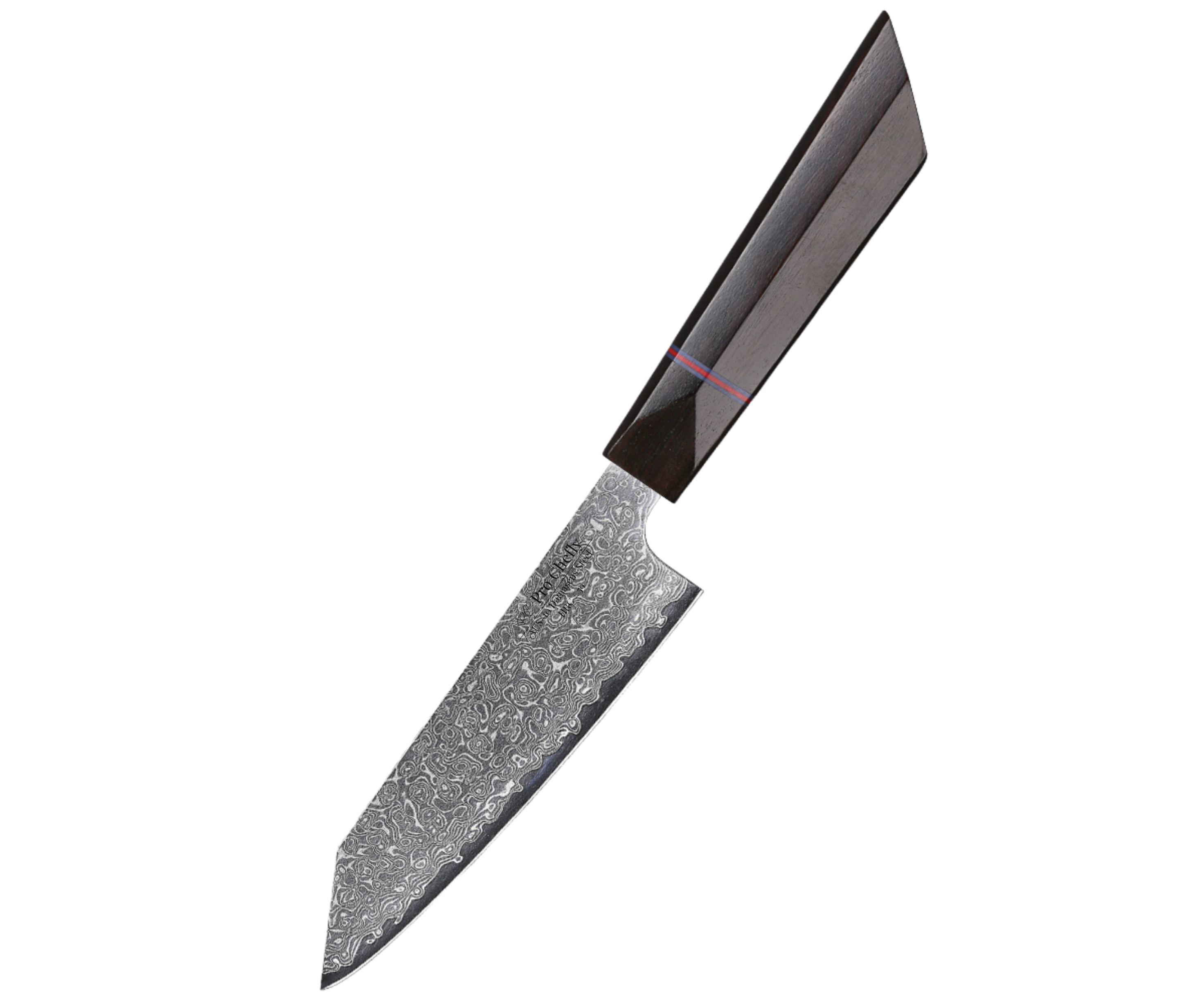
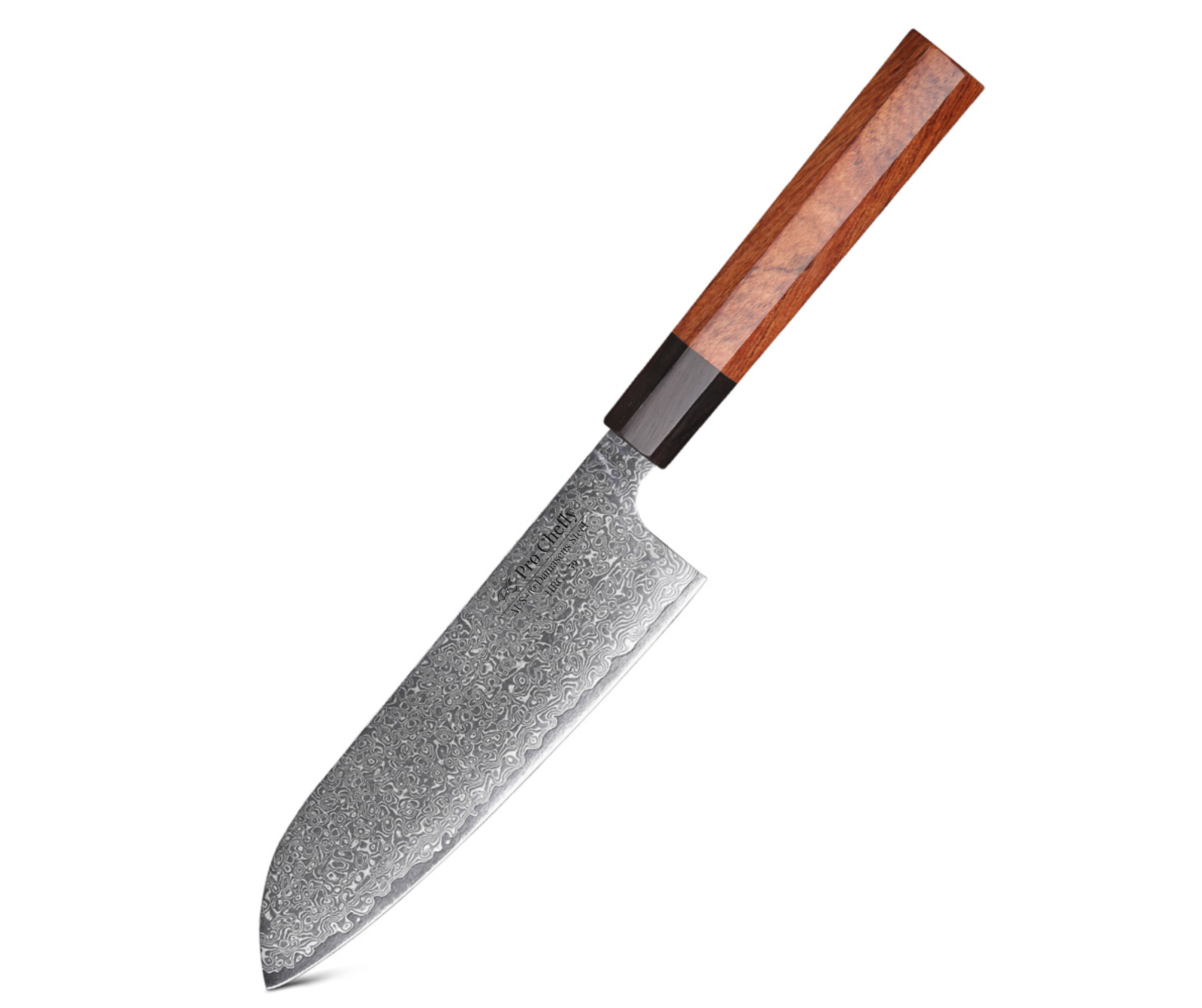
For cooks ready to feel that difference, our 7" Damascus Nakiri Knife delivers the tall, flat profile that makes board awareness effortless, gliding through vegetables with clean, full-contact strokes. If you tend to like a bit of versatility, the gently curved 7" Damascus Santoku Knife offers a middle path between rocking and flat cutting, while the compact 5" Damascus Mini Bunka Knife brings similar flat-edged precision to smaller hands and tighter tasks. Trying a flat-profile blade is often the fastest way to understand just how much your board awareness has been holding your cuts back.
Let the Board Guide Your Best Cuts
When we come back to it, the nakiri's gift is not just clean vegetable slices, it is the awareness it builds in the cook holding it. By meeting the board fully on every stroke, it teaches your hand to feel each cut through to completion, and that sense of contact quietly upgrades everything you do at the cutting station. It is proof that sometimes the simplest design solves a problem you did not even know you had. Think of the board as your dance floor and the nakiri as a partner who always lands on the beat, guiding you into a rhythm that feels natural and sure. Once you experience prep with true board awareness, the connected slices and hesitant cuts of the past simply fade away. Give a flat-edged blade a try, listen for that satisfying tap against the board, and let it show you how confident your cutting can truly be.
Knife Collections
Shop the latest in Pro Chefly Damascus Knives






Chef's Notes
Stay up to date with the latest kitchen stories and recipes

- March 25, 2026
Dear Chefs, this is one of those dishes that feels like it belongs next to the ocean, even if you’re...

- March 23, 2026
Dear Chefs, this is the kind of spring dish that wakes up your entire kitchen the moment it hits the...

- March 19, 2026
Dear Chefs, some dinners don’t whisper, they walk into the kitchen with confidence and a little swagger. Surf and Turf...

- March 17, 2026
Dear Chefs, there’s something satisfying about a dish that feels wholesome, bright, and quietly comforting all at the same time....

- March 13, 2026
Dear Chefs, there is something about cooking whole fish that feels both elegant and surprisingly simple once you understand the...

- March 11, 2026
Dear Chefs, spring cooking always pulls me toward dishes that feel light, bright, and quietly luxurious without trying too hard....
- Choosing a selection results in a full page refresh.
- Opens in a new window.