

Chef’s Overview
Dear Chefs, choosing the right steel isn’t just a technical decision, it’s a cooking decision. The way your knife holds an edge, responds on the board, and recovers after heavy prep all comes down to what’s inside the blade. Today, we’re breaking down AUS-10 vs VG-10 steel so you can understand which one actually fits your home cooking style. Because once you feel the difference, you don’t go back to guessing.

AUS-10 vs VG-10 Steel Differences for Home Cooking Performance
The first time you prep a full meal with two different steels back-to-back, you start noticing things you can’t unsee. One blade feels like it wants to stay sharp forever, while the other feels like it’s ready to take on anything without hesitation. That’s not marketing, that’s metallurgy meeting real kitchen use. Most home cooks don’t need lab specs, they need a knife that keeps up with weeknight dinners, weekend experiments, and everything in between. That’s where AUS-10 and VG-10 separate themselves, not in theory, but in how they perform when things get busy. As we’ve explored before in How AUS-10 vs VG-10 Performs in Daily Cooking, the real difference shows up over time, how often you reach for your honing rod, how the blade reacts to tougher ingredients, and how confident you feel pushing through prep without slowing down.
Understanding AUS-10 vs VG-10 Steel Composition and Edge Retention
There’s a reason both of these steels are trusted in Japanese knife-making, they strike a balance that most home kitchens actually need. The difference is how they prioritize that balance. What you’re really deciding between isn’t just sharpness or durability, it’s how your knife behaves after hours of use, how it responds under pressure, and how often you need to bring it back to life.
VG-10 Steel Edge Retention and Precision Performance
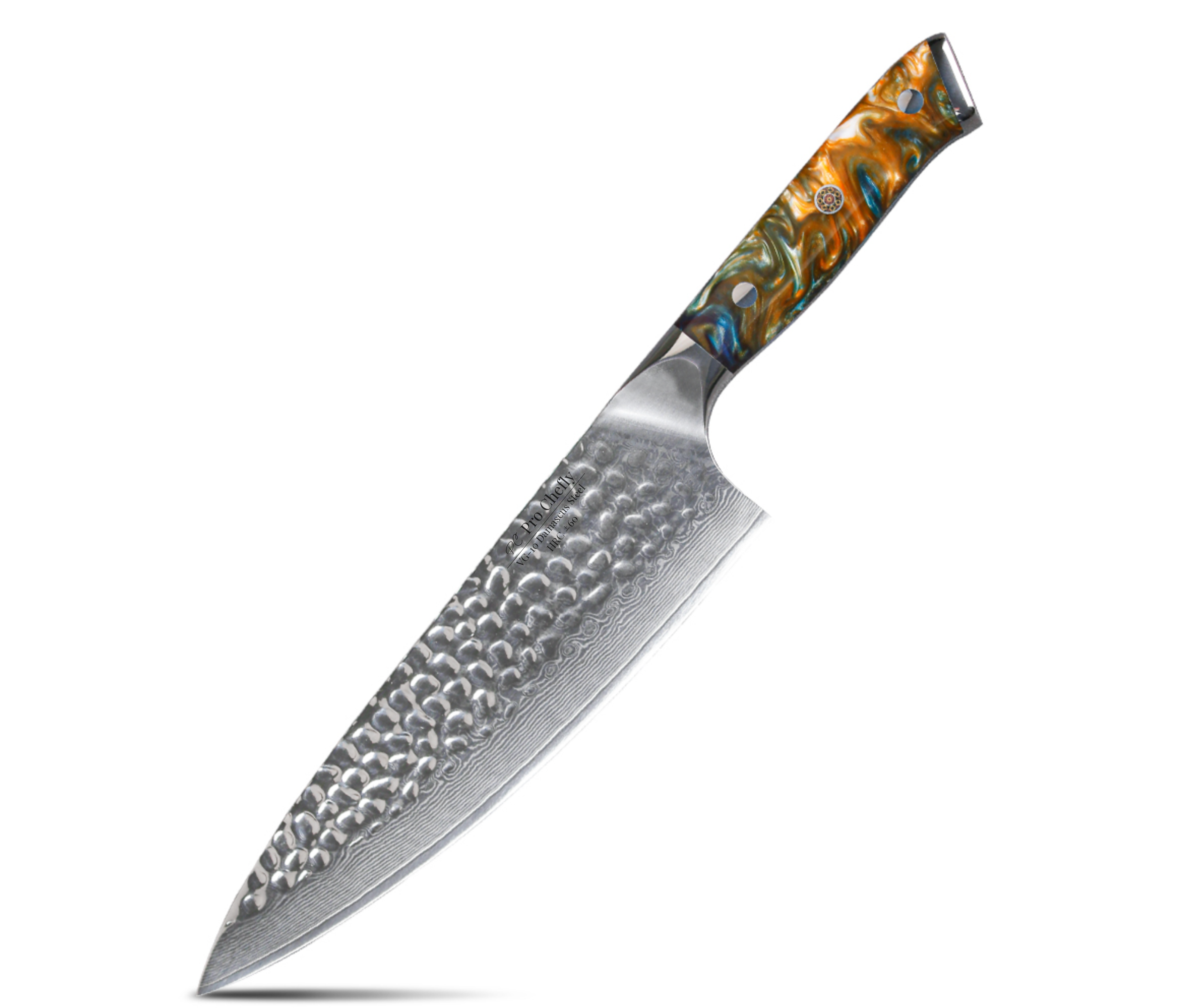
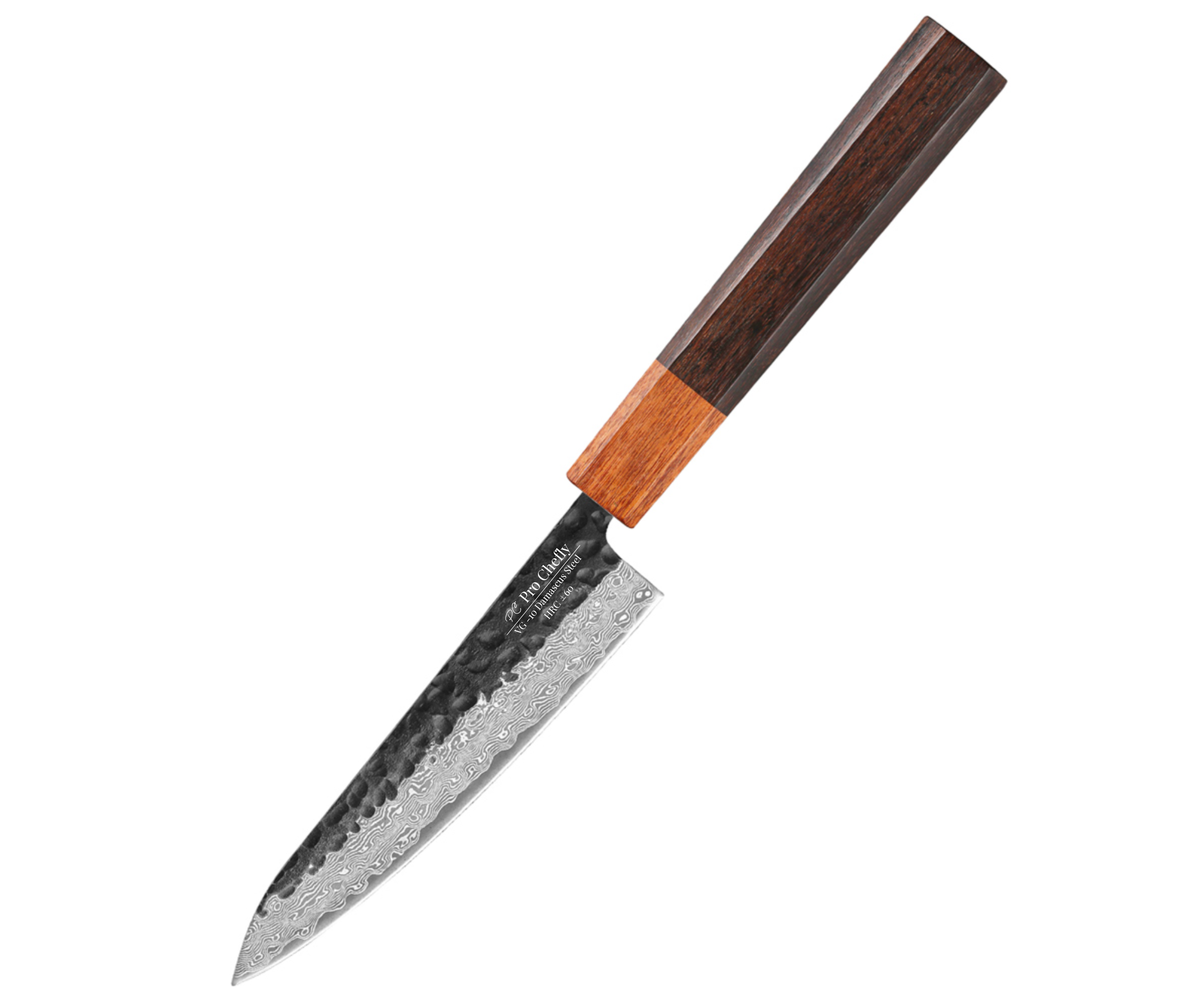
VG-10 is known for its ability to hold a sharp edge longer than most home cooks expect. It’s the kind of steel that rewards careful technique and consistent motion, staying razor-sharp through multiple prep sessions without needing constant attention. When you’re using something like the 8" VG-10 Damascus Chef Knife or the 8" VG-10 Damascus Gyuto, you feel that clean, precise bite immediately. It glides through vegetables, proteins, and herbs with minimal resistance, making it ideal for cooks who value control and consistency. That’s exactly why, as discussed in What Makes VG-10 Damascus Steel Ideal for Daily Knife Use, this steel is often the go-to for those who want a refined cutting experience that stays sharp longer between sharpenings.
AUS-10 Steel Durability and Edge Recovery
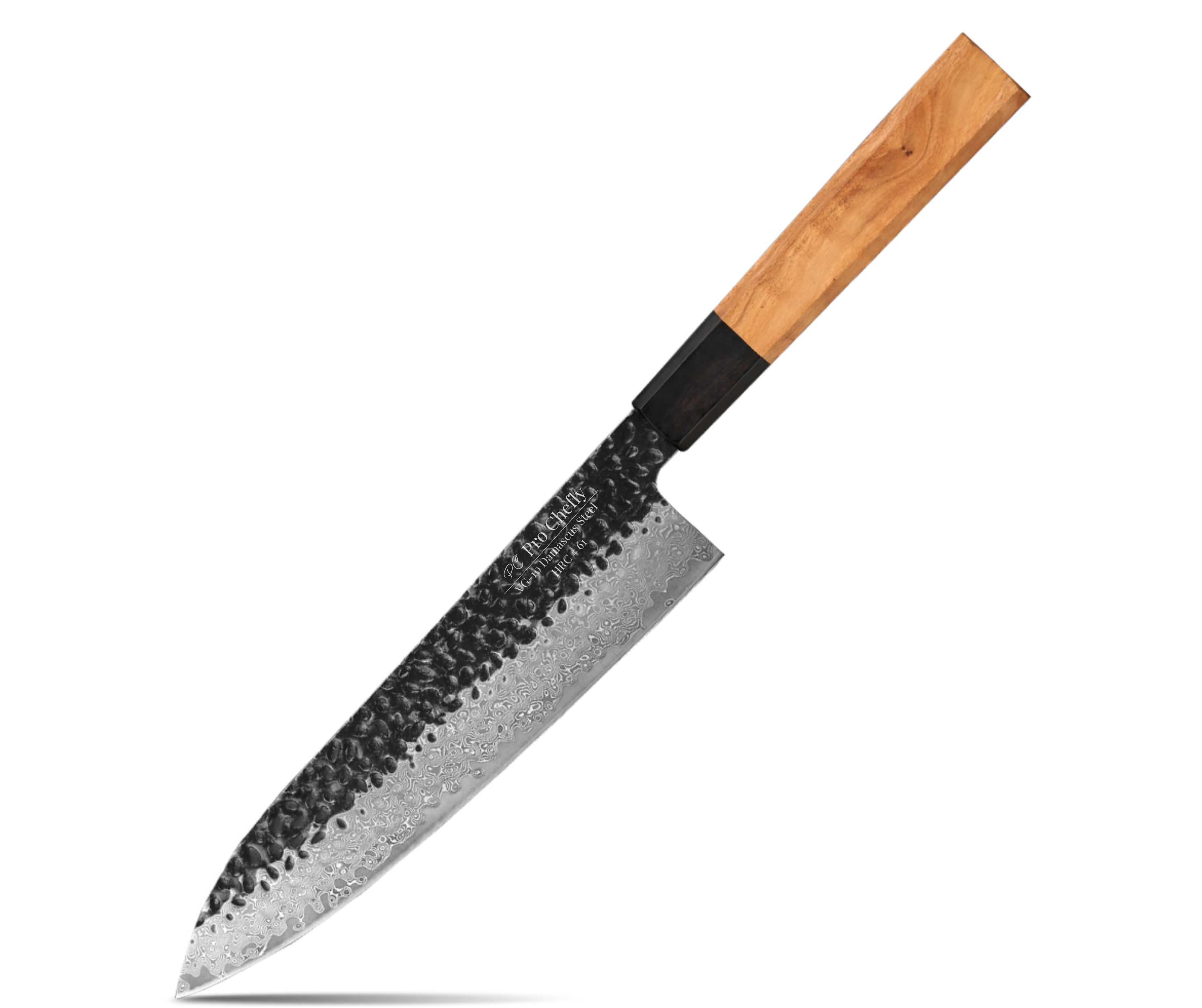
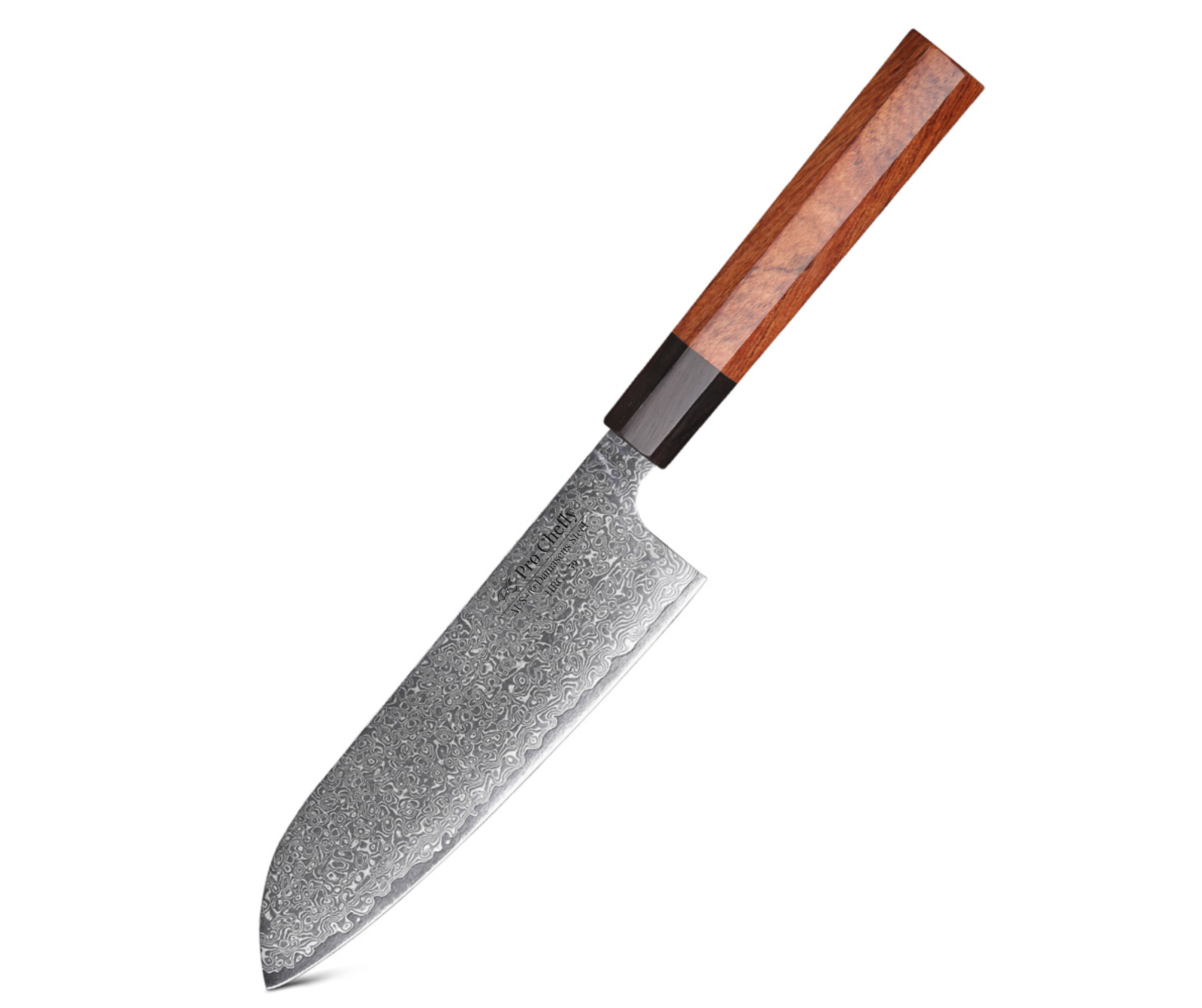
AUS-10 tells a slightly different story, one that leans into durability and resilience. It may not hold its edge quite as long as VG-10, but what it does offer is the ability to bounce back quickly and handle tougher, less predictable prep. With the 8" AUS-10 Damascus Gyuto or even the 7" AUS-10 Damascus Santoku Knife, you’ll notice a bit more forgiveness. It handles harder vegetables, heavier chopping, and those moments when your technique isn’t perfect without feeling fragile. As highlighted in Why AUS-10 Damascus Steel Is Built for Confident Home Cooking, this steel is designed for real kitchens, where speed, volume, and occasional rough handling are part of the process.
When to Choose AUS-10 vs VG-10 Steel for Everyday Cooking
Understanding the difference is one thing, but applying it to your cooking habits is where it starts to matter. The right choice depends less on what’s “better” and more on how you actually cook day to day. Your knife should match your pace, your ingredients, and even your mindset when you step into the kitchen. Some cooks move with precision and patience, while others move with speed and adaptability, and your steel should support that rhythm, not fight against it.
VG-10 Steel for Precision and Consistent Prep
If your cooking style leans toward precision, slicing vegetables evenly, trimming proteins cleanly, and maintaining a steady rhythm on the board, VG-10 is going to feel like a natural fit. It rewards good technique and keeps your workflow smooth without frequent interruptions for sharpening. It’s especially useful for cooks who prep in batches or care about presentation, because that consistent edge translates directly into cleaner cuts and better results.
AUS-10 Steel for Versatility and Heavy Prep Tasks
On the other hand, if your kitchen is a little more fast-paced, a little less predictable, AUS-10 steps up in a different way. It’s built for versatility, handling everything from dense root vegetables to larger proteins without making you second-guess your blade. This is the steel that keeps going even when your prep gets aggressive, making it ideal for home cooks who want reliability without constantly worrying about edge maintenance.
Why Pro Chefly Uses Both AUS-10 and VG-10 Damascus Steel
We don’t believe in forcing one solution onto every kitchen, because no two cooks move the same way. That’s why Pro Chefly builds with both AUS-10 and VG-10, giving you the flexibility to choose based on how you actually cook. Some days call for precision and finesse, where VG-10 shines with its long-lasting sharpness. Other days demand durability and adaptability, where AUS-10 takes the lead without hesitation. By offering both, we’re not asking you to pick a side, we’re giving you the tools to match your cooking style. And once you start using the right steel for the right situation, everything from prep speed to confidence improves.
Choosing Between AUS-10 vs VG-10 Steel Based on Your Cooking Style
Step back for a second and think about how you move in your kitchen. Are you methodical, focused on clean cuts and consistency, or are you fast-paced, moving through ingredients with energy and flexibility? If you’re someone who values sharpness that lasts and a blade that feels surgical, VG-10 is going to elevate your experience. It keeps you in rhythm and rewards precision with every slice. If you’re more about versatility, tackling a wide range of ingredients without slowing down, AUS-10 becomes the better fit. It gives you confidence to push through prep without worrying about damaging your edge. Most importantly, there’s no wrong answer here, just the right fit for how you cook.
Why AUS-10 vs VG-10 Steel Ultimately Depends on Your Cooking Style
Here’s the part most people overlook, the best knife steel isn’t the one with the best specs, it’s the one that works with you, not against you. AUS-10 and VG-10 both bring something valuable to the table, but they shine in different ways. One leans into precision and edge retention, the other into durability and adaptability. Once you understand that difference, choosing between them becomes simple. You’re not chasing the “best,” you’re choosing what fits your hands, your habits, and your kitchen.
Knife Collections
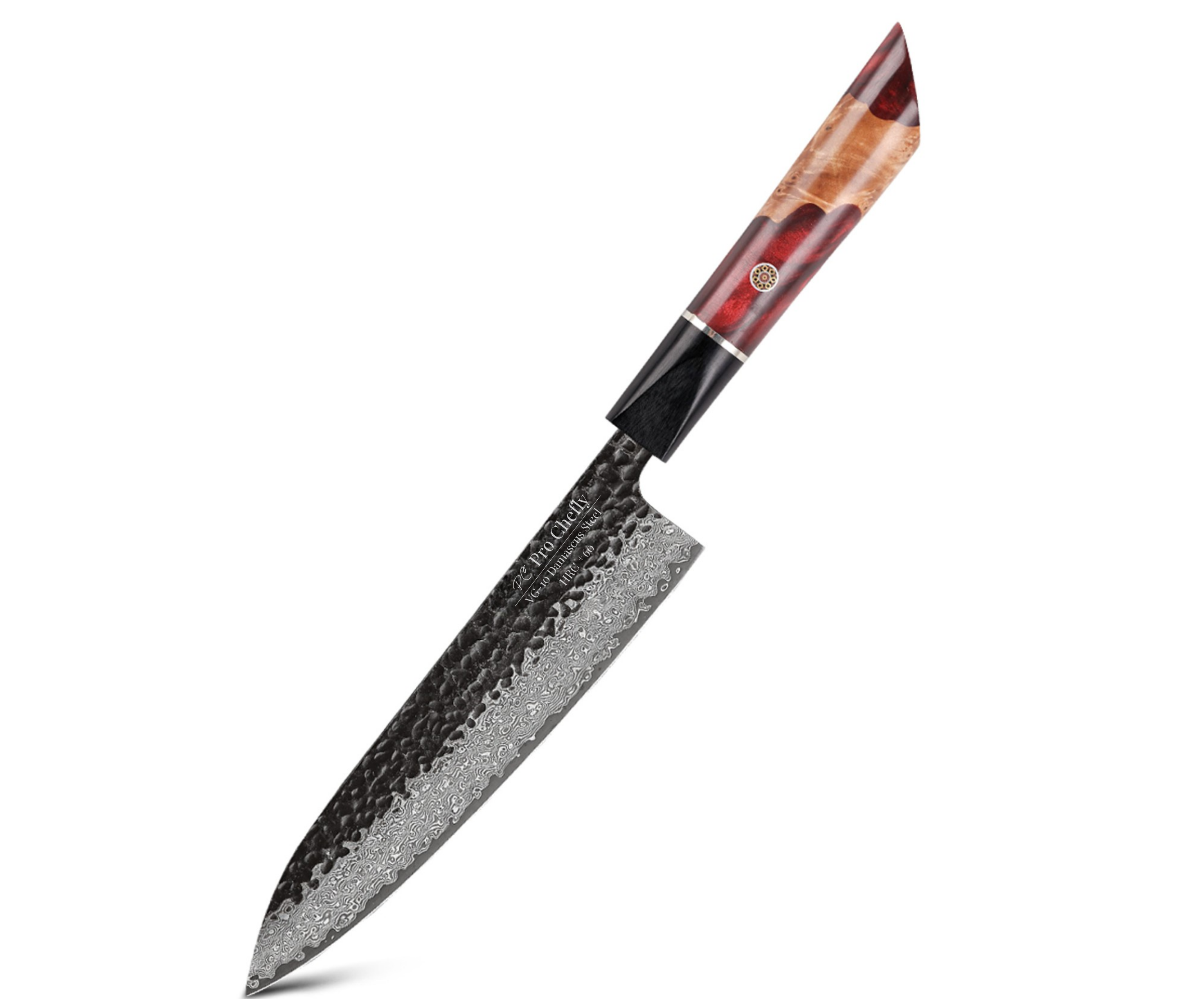
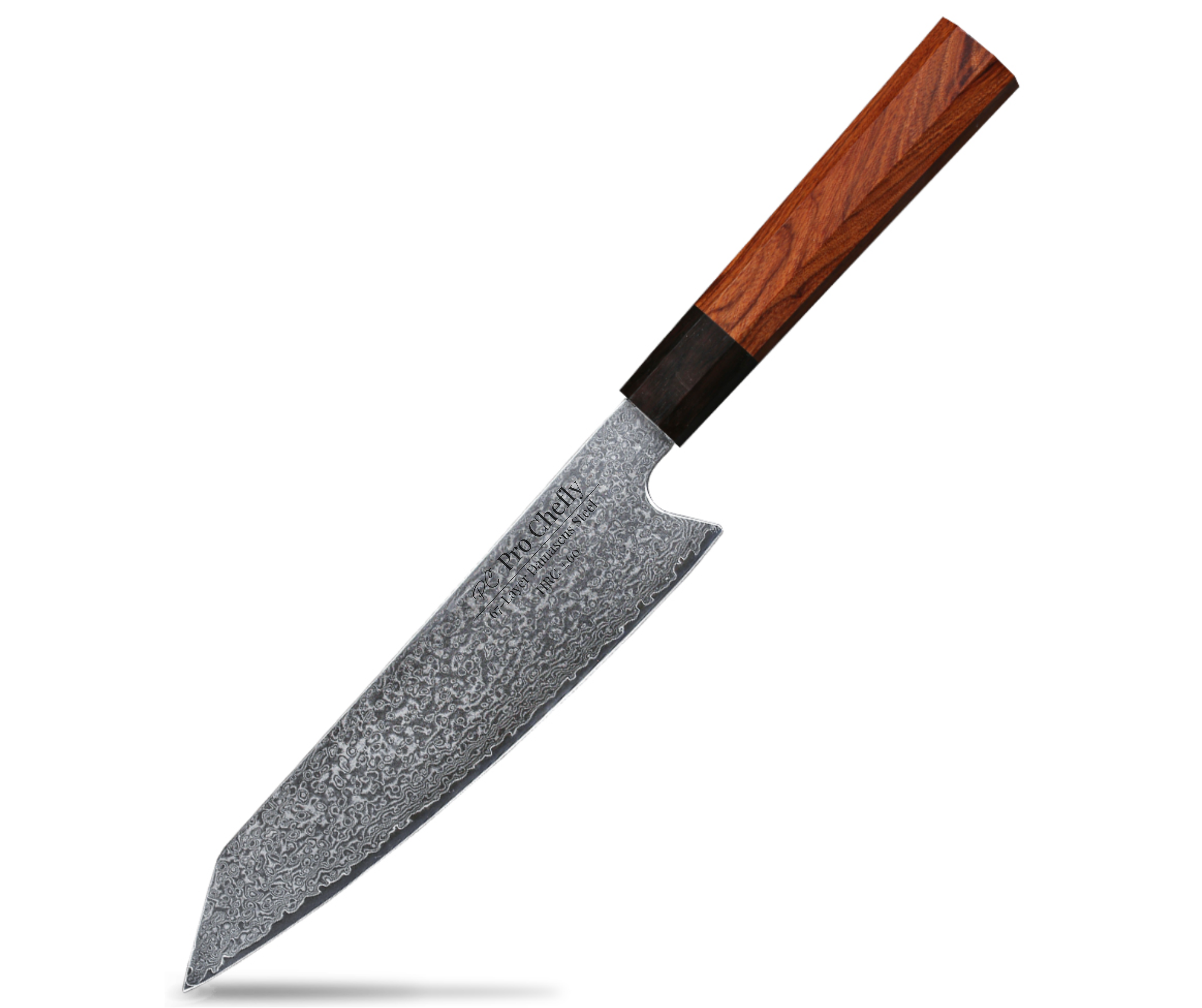
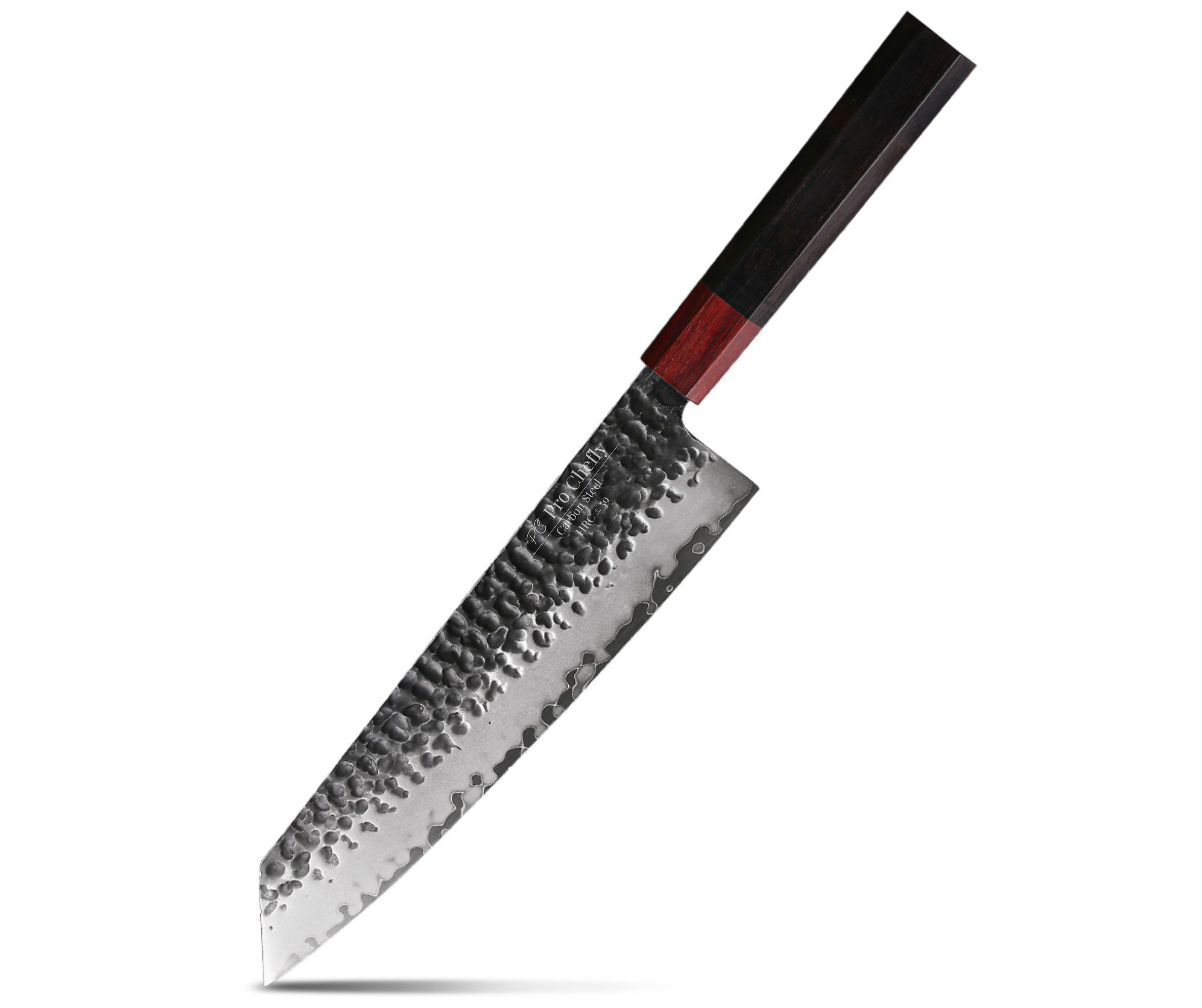
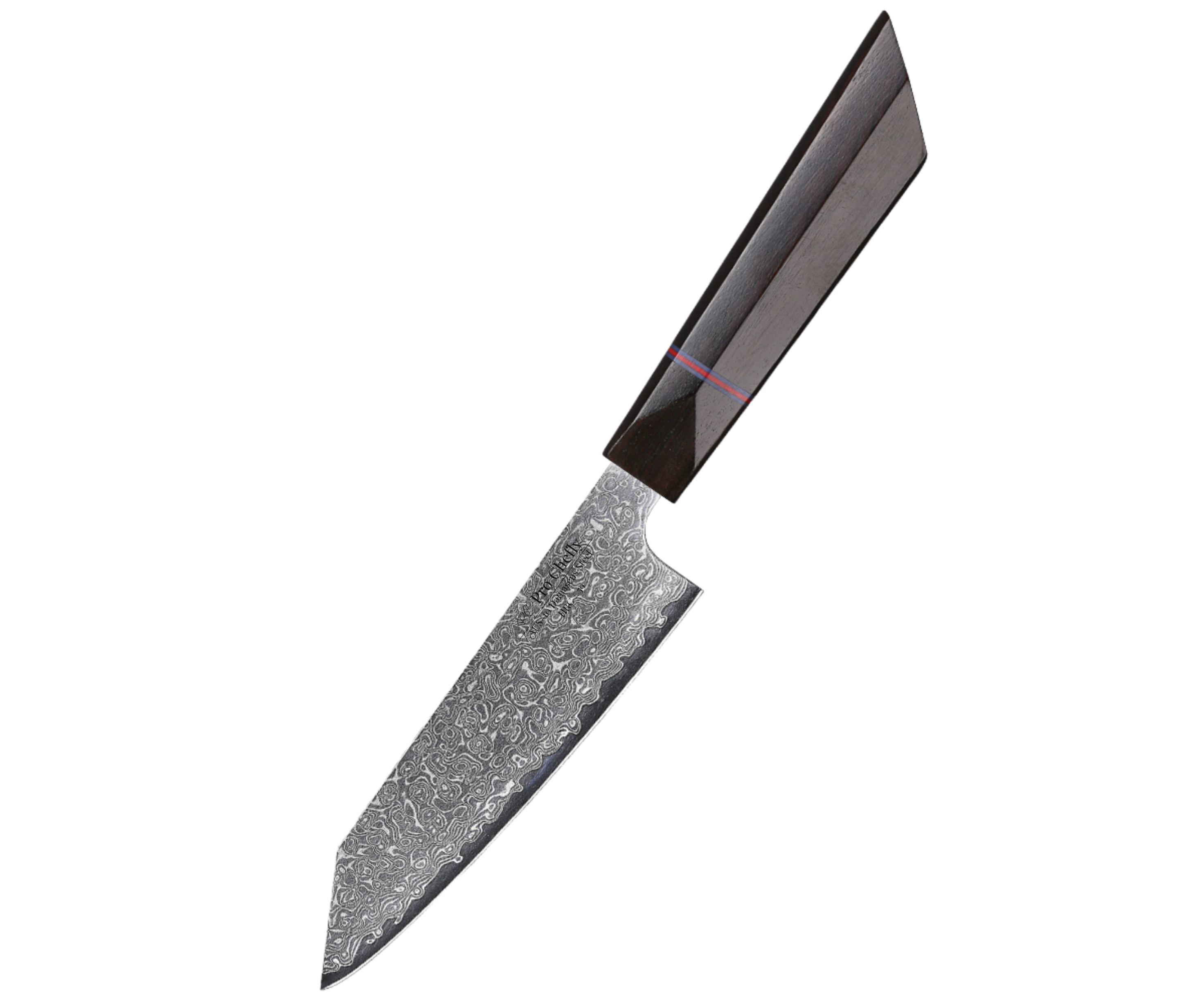
Shop the latest in Pro Chefly Damascus Knives





Chef's Notes
Stay up to date with the latest kitchen stories and recipes

- March 25, 2026
Dear Chefs, this is one of those dishes that feels like it belongs next to the ocean, even if you’re...

- March 23, 2026
Dear Chefs, this is the kind of spring dish that wakes up your entire kitchen the moment it hits the...

- March 19, 2026
Dear Chefs, some dinners don’t whisper, they walk into the kitchen with confidence and a little swagger. Surf and Turf...

- March 17, 2026
Dear Chefs, there’s something satisfying about a dish that feels wholesome, bright, and quietly comforting all at the same time....

- March 13, 2026
Dear Chefs, there is something about cooking whole fish that feels both elegant and surprisingly simple once you understand the...

- March 11, 2026
Dear Chefs, spring cooking always pulls me toward dishes that feel light, bright, and quietly luxurious without trying too hard....
- Choosing a selection results in a full page refresh.
- Opens in a new window.