

Chef’s Overview
Dear Chefs, autumn brings out the toughest vegetables of the entire year — carrots — parsnips — beets — sweet potatoes — all ready to test your knife skills the second they hit the board. But when you have a Nakiri in your hand, those dense roots suddenly feel cooperative — clean — and surprisingly easy to work with. Today we are diving into how to harness the Nakiri’s straight edge and flat profile so you can breeze through fall vegetable prep with speed and confidence.

The Fall Story Behind Nakiri Power on Root Vegetables
Fall kitchens get loud — busy — and full of ingredients that demand precision. I remember one rushed service where I had mountains of carrots and butternut squash waiting for roasting. Every cook on the line grabbed their chef knife — but mine stayed on the counter the whole time. I reached for my Nakiri instead. The first chop dropped straight through the carrot — perfectly even — no rocking — no resistance — just full contact from heel to tip. By the end of prep, everyone else was still fighting uneven cubes while my tray looked like I used a ruler. That was the moment I realized the Nakiri is not just good for vegetables — it is built for them.
Why the Nakiri Knife Excels with Dense Fall Vegetables
Root vegetables demand consistency — power — and controlled slicing, and the Nakiri gives you all three with zero flare.
Flat Edge for Full Contact Cuts
Unlike a chef knife’s curved belly, the Nakiri’s straight edge lands fully on the board. This eliminates half cuts — stringy edges — and uneven pieces. It mirrors the precision we celebrated in How Nakiri Knives Simplify Prep for Winter Vegetables.
Blade Width for Stability
A wide blade keeps your cuts straight — especially when slicing tall or rolling vegetables. This stability complements the slicing rhythm discussed in When to Use a Nakiri Knife Instead of a Chef Knife.
Gentle Weight Distribution
Root vegetables are dense, but the Nakiri applies pressure evenly so you can slice with confidence instead of force. This calm technique aligns with the controlled cuts explored in How to Achieve Perfect Vegetable Julienne with a Nakiri Knife.
How to Slice Root Vegetables Effortlessly with a Nakiri Knife
The Nakiri shines when you let its design do the work, especially during heavy fall prep.
Begin with a Stable Base Cut
Slice off one side of your vegetable to create a flat surface. This prevents wobbling and keeps every slice clean.
Use an Up-Down Rhythm
No rocking motion — no sawing — just straight up and straight down cuts. This rhythm is what makes the Nakiri famous for efficiency.
Keep Fingers Curled and Close
Use your knuckles as a guide while letting the wide blade shield your hand.
Slice to Desired Thickness
For stews — go thicker. For roasting — medium slices work best. For salads — thin slices allow even cooking and better texture.
Finish with Clean Push Cuts
Push the blade forward slightly as you come down for the smoothest possible finish.
Choosing the Right Nakiri Knife for Effortless Fall Prep
A well-made Nakiri transforms heavy vegetable prep into a meditative flow.
For Everyday Root Vegetable Tasks
The 7" Nakiri Knife is ideal for anyone who wants a dependable — balanced — fall-friendly vegetable machine.
For Premium Steel Lovers
The 7" VG-10 Damascus Nakiri Knife offers razor sharp performance with the refined edge retention needed for dense vegetables all season long.
Why the Nakiri Outperforms Other Blades for Fall Vegetables
Other knives can handle root vegetables — but none do it with the certainty and smoothness of a Nakiri.
Better Than a Chef Knife for Straight Cuts
The chef knife’s curved belly creates partial slices. The Nakiri eliminates that entirely — every cut drops clean and even.
More Efficient Than a Santoku
Santokus can handle vegetables, but their blade shape still encourages rocking. The Nakiri’s flat profile is simply faster for repetitive chopping.
More Stable Than a Paring Knife
Paring knives are precise — but they lack the stability needed for large — dense vegetables.
The High Impact Wrap Up for Fall Nakiri Mastery
Dear Chefs, fall root vegetables can feel intimidating, but the right knife turns them into some of the most satisfying ingredients you will ever slice. The Nakiri gives you control — speed — and perfect uniformity that makes autumn prep feel almost effortless. When you pair this blade with steady technique and a little seasonal patience, your entire kitchen flow changes. Every root becomes manageable — every cut becomes confident — and every dish feels elevated before it even hits the heat.
Knife Collections
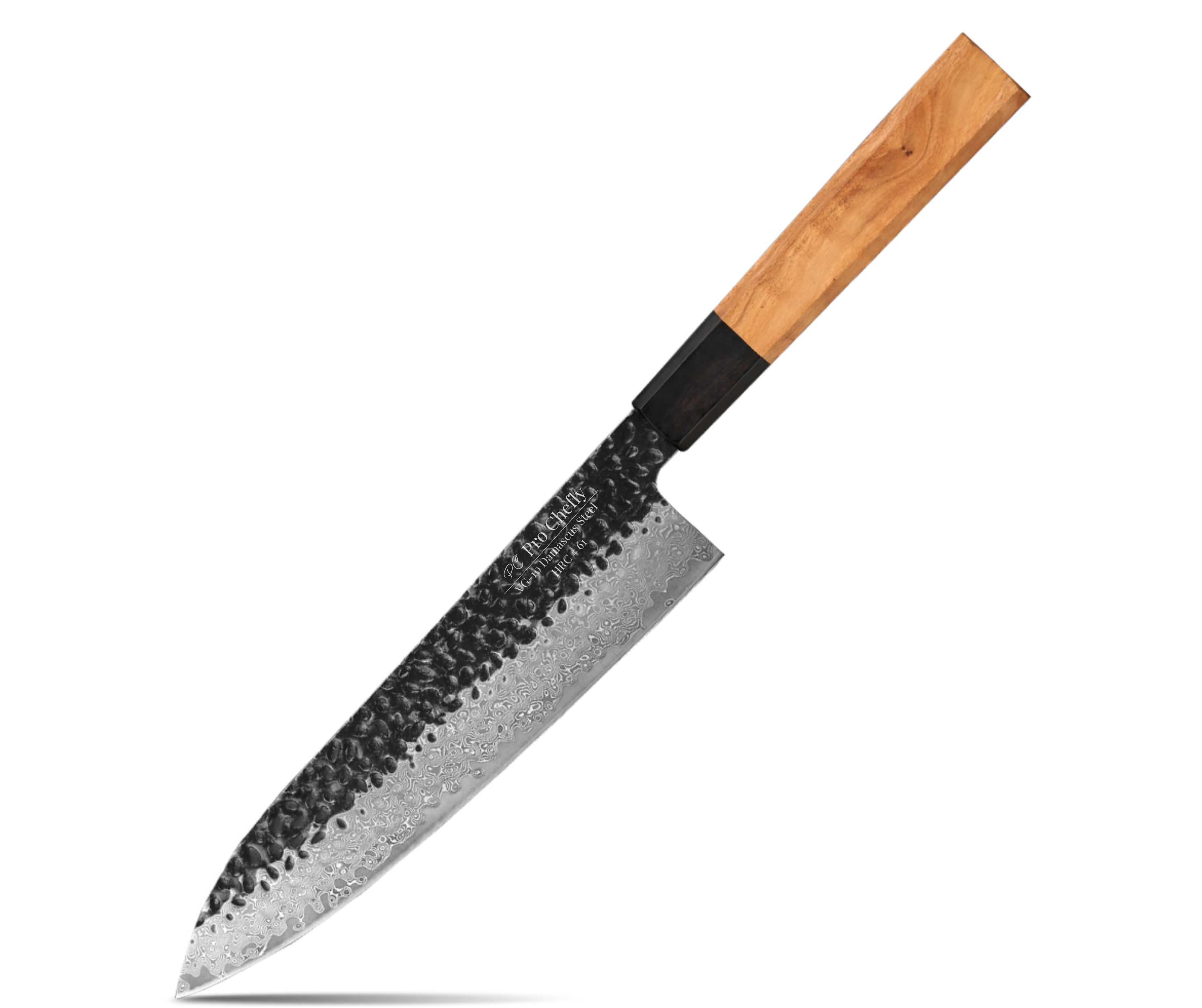
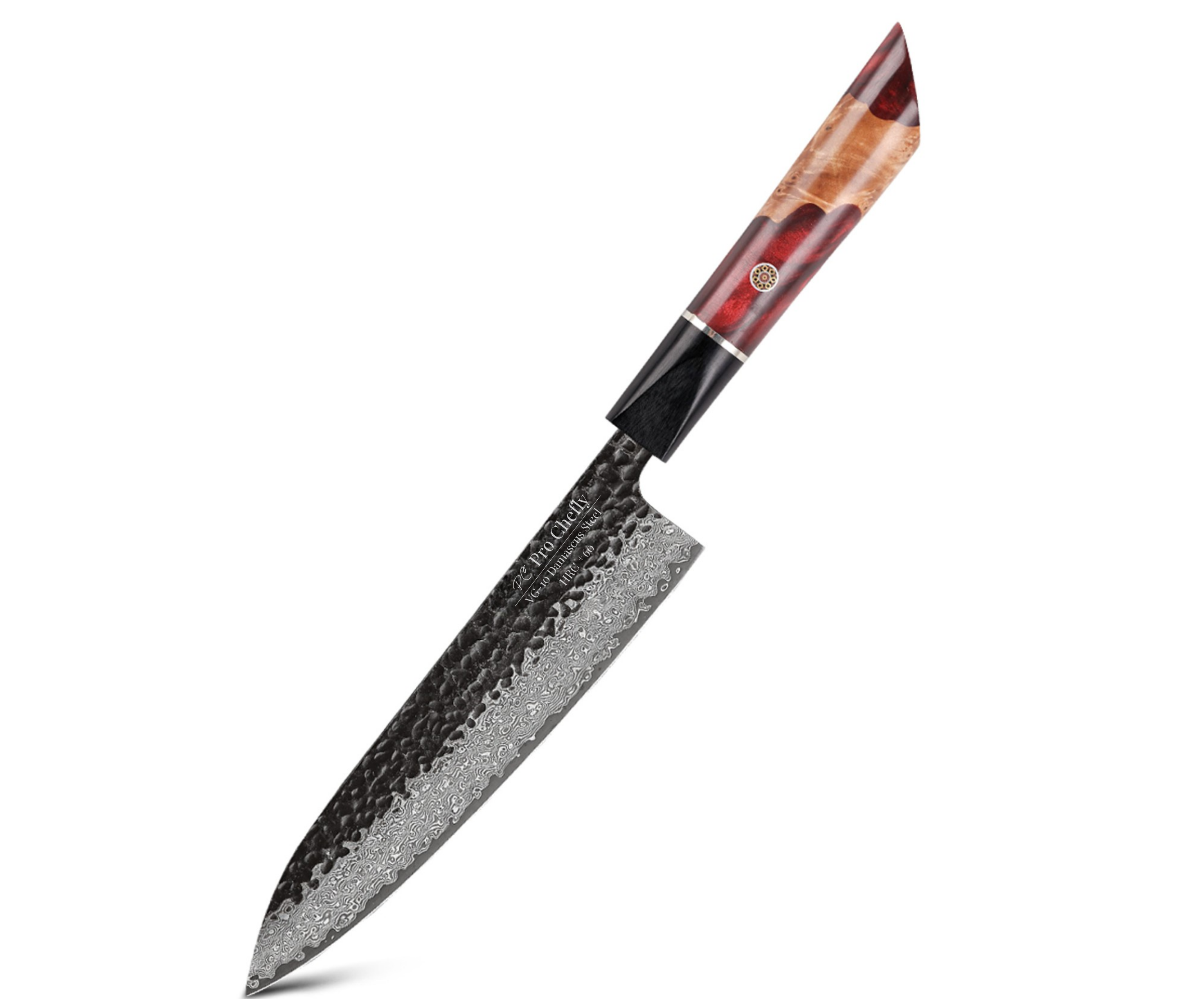
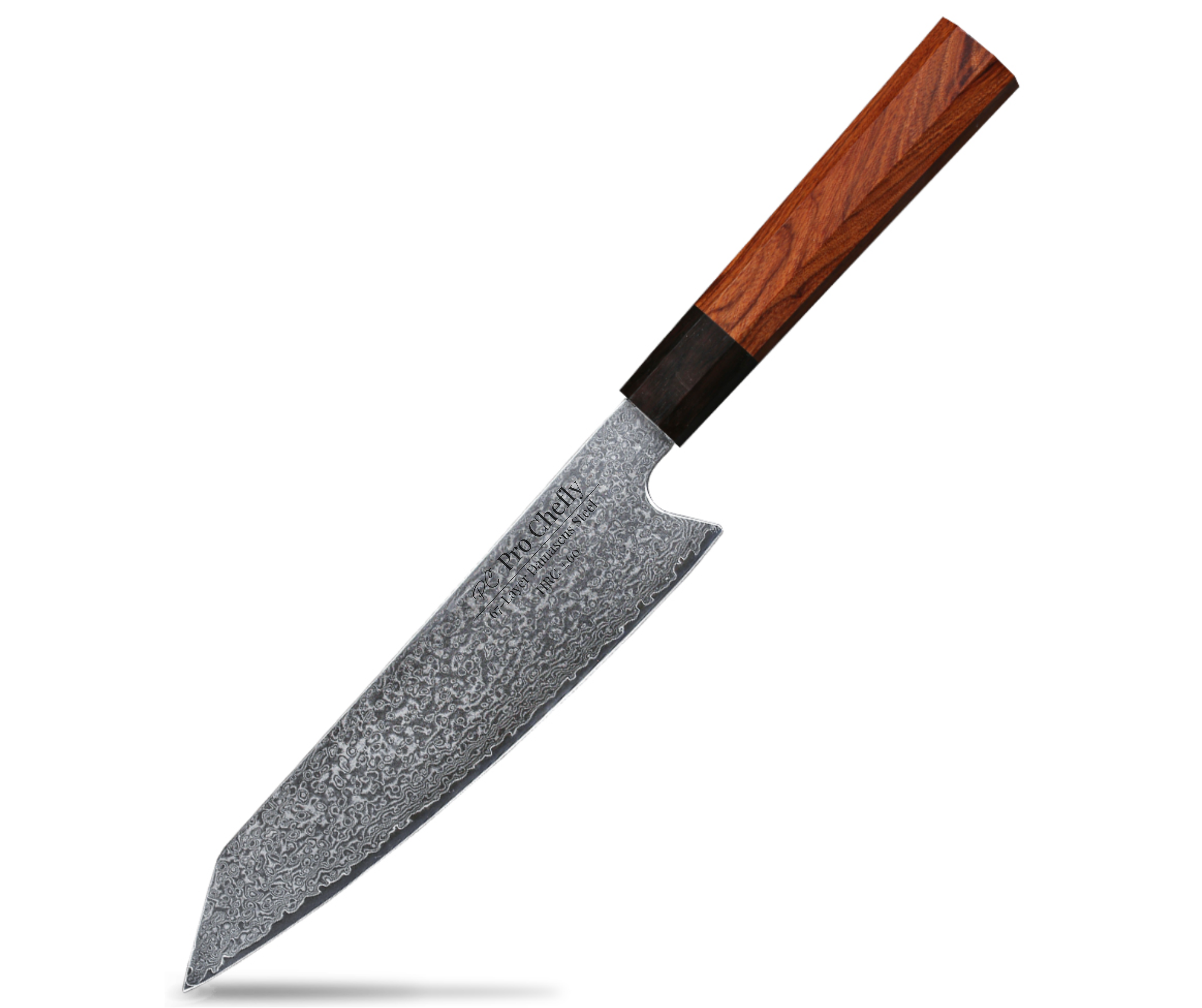
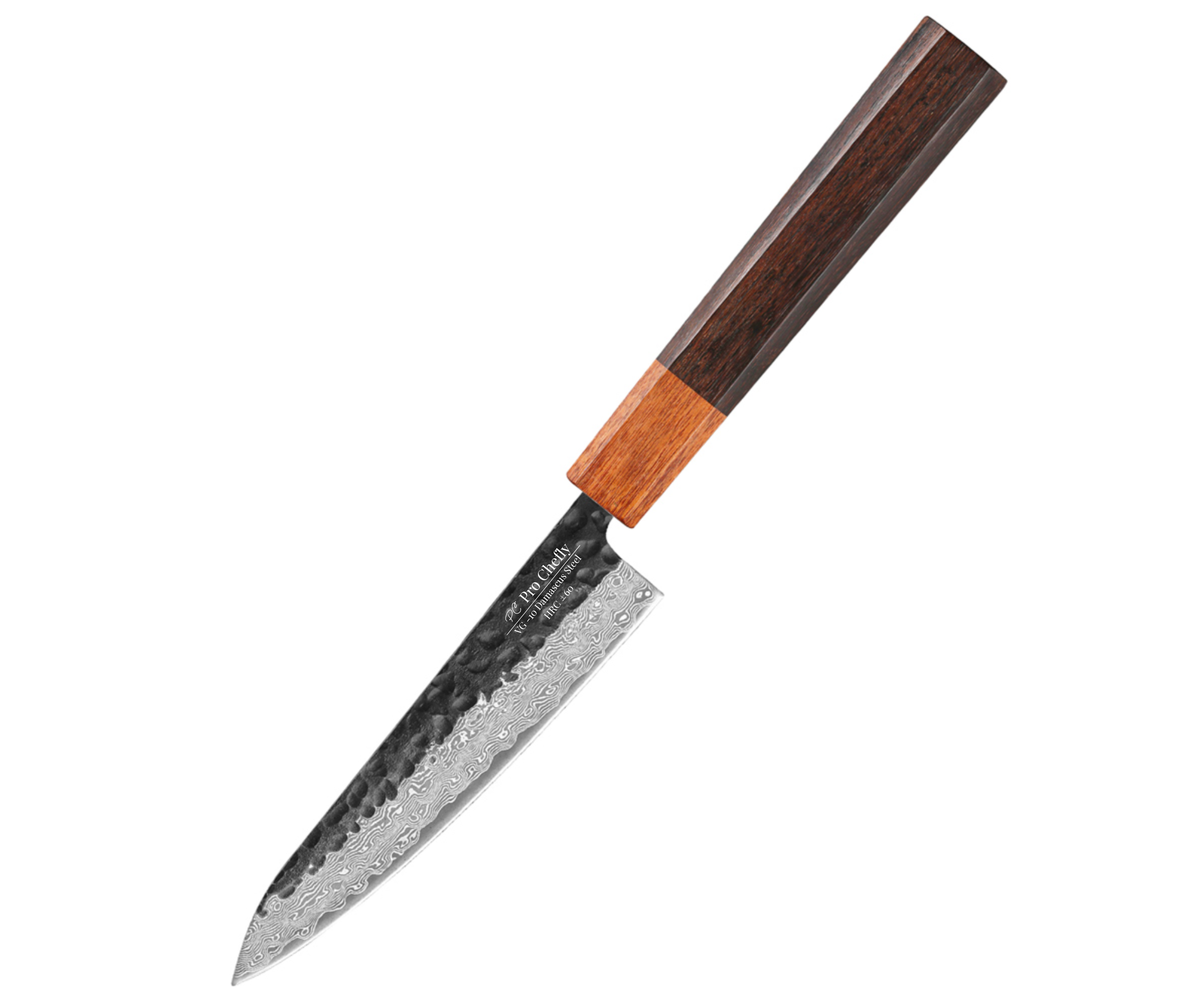
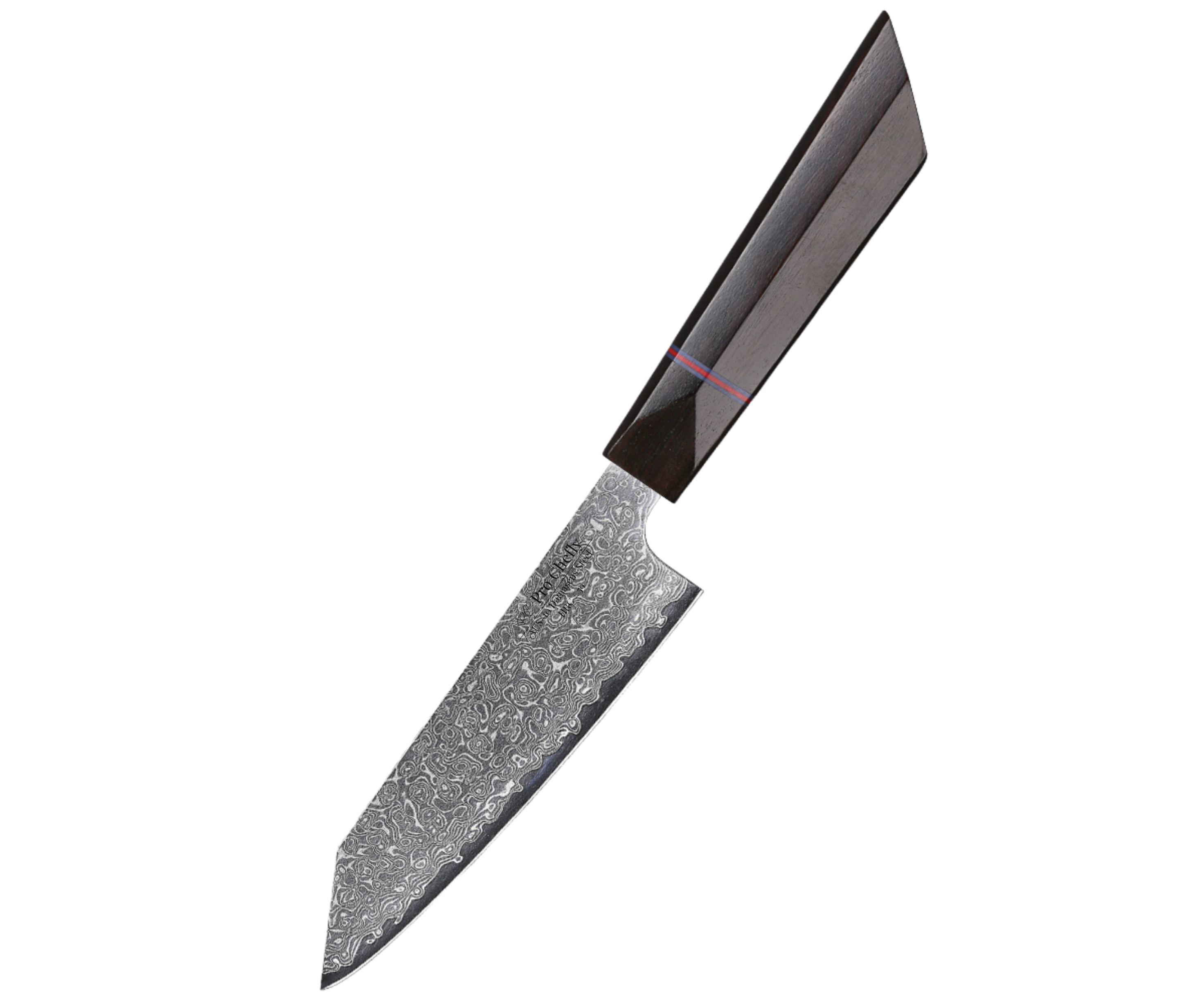
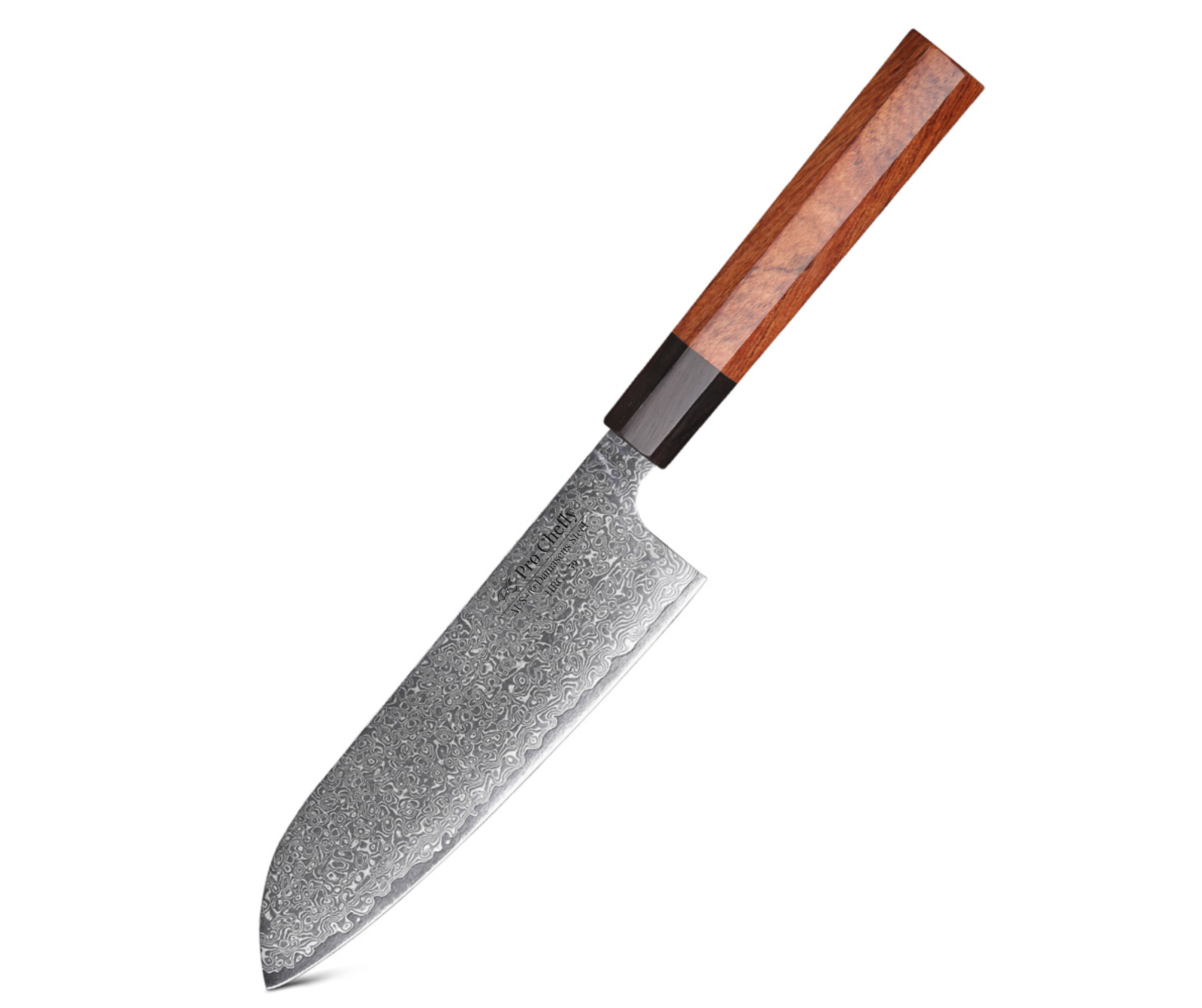
Shop the latest in Pro Chefly Damascus Knives






Chef's Notes
Stay up to date with the latest kitchen stories and recipes

- March 25, 2026
Dear Chefs, this is one of those dishes that feels like it belongs next to the ocean, even if you’re...

- March 23, 2026
Dear Chefs, this is the kind of spring dish that wakes up your entire kitchen the moment it hits the...

- March 19, 2026
Dear Chefs, some dinners don’t whisper, they walk into the kitchen with confidence and a little swagger. Surf and Turf...

- March 17, 2026
Dear Chefs, there’s something satisfying about a dish that feels wholesome, bright, and quietly comforting all at the same time....

- March 13, 2026
Dear Chefs, there is something about cooking whole fish that feels both elegant and surprisingly simple once you understand the...

- March 11, 2026
Dear Chefs, spring cooking always pulls me toward dishes that feel light, bright, and quietly luxurious without trying too hard....
- Choosing a selection results in a full page refresh.
- Opens in a new window.