

Chef’s Overview
Dear Chefs — here’s the truth most beginners never hear: speed doesn’t come first. Control comes first. Speed is the side effect. Every pro cook you’ve ever admired — the chef who can blitz through onions like a machine — didn’t get fast because they tried to get fast. They got fast because they mastered control. Today, we’re talking about how to train that control with a chef knife — the blade that acts as the engine of every serious kitchen. If you haven’t yet read How to Use a Chef Knife Safely and Efficiently — that one is your primer. Today is your elevation.

The Hard Truth — Speed Is Created By the Exact Opposite of Rushing
Here’s the paradox chefs never tell students: when you chase speed first, you get sloppy. Your angle changes. Your anchor hand freaks out. And that’s when accidents happen. In What Size Chef Knife is Best for Everyday Cooking, we broke down how the blade becomes a physical extension of the arm. That physical extension is how you create smooth repetition — which is what creates speed.
Speed is rhythm — not chaos.
Speed is repetition — not adrenaline.
The Professional Chef’s Secret — You Don’t Cut “Fast”… You Cut Smooth
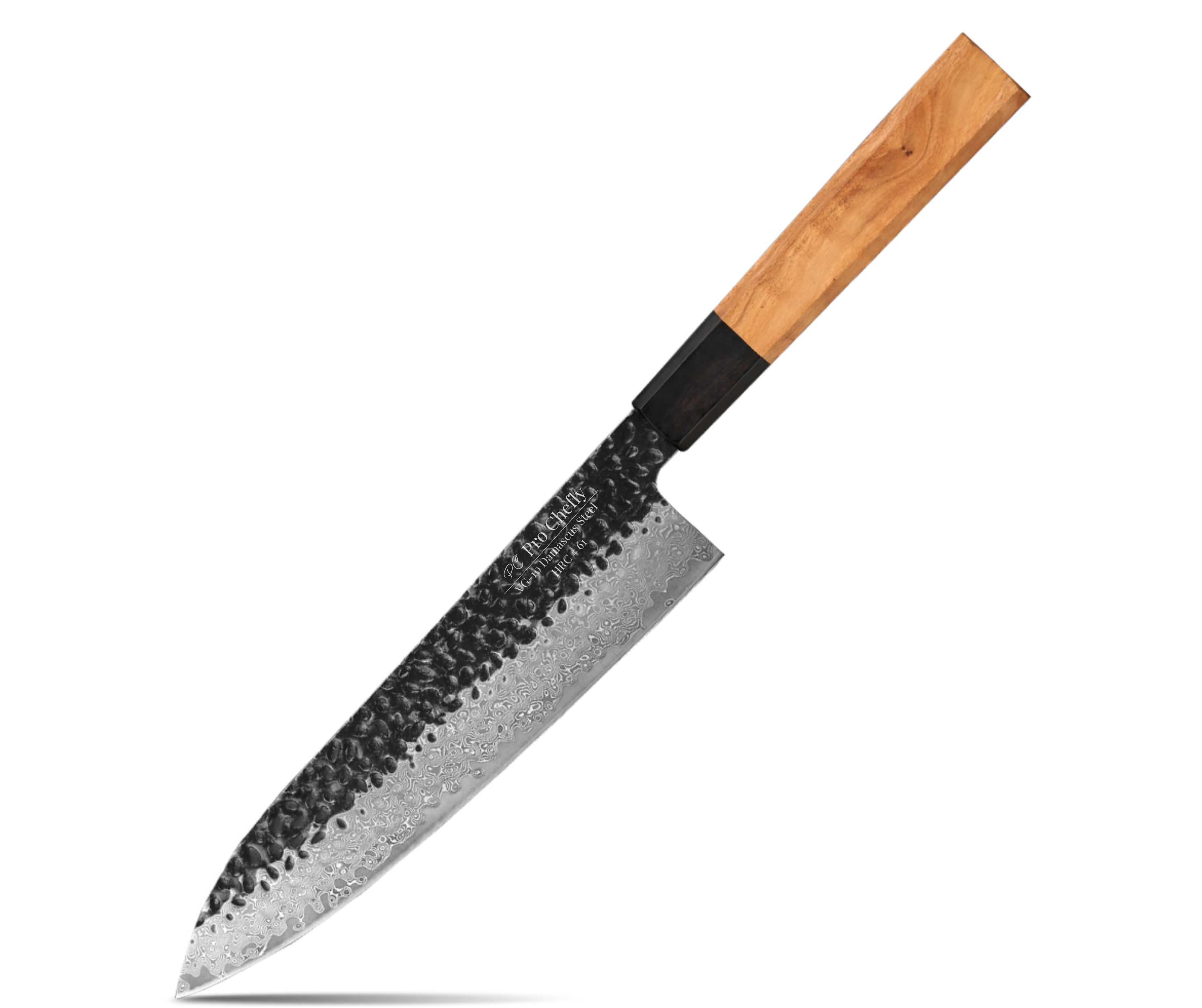
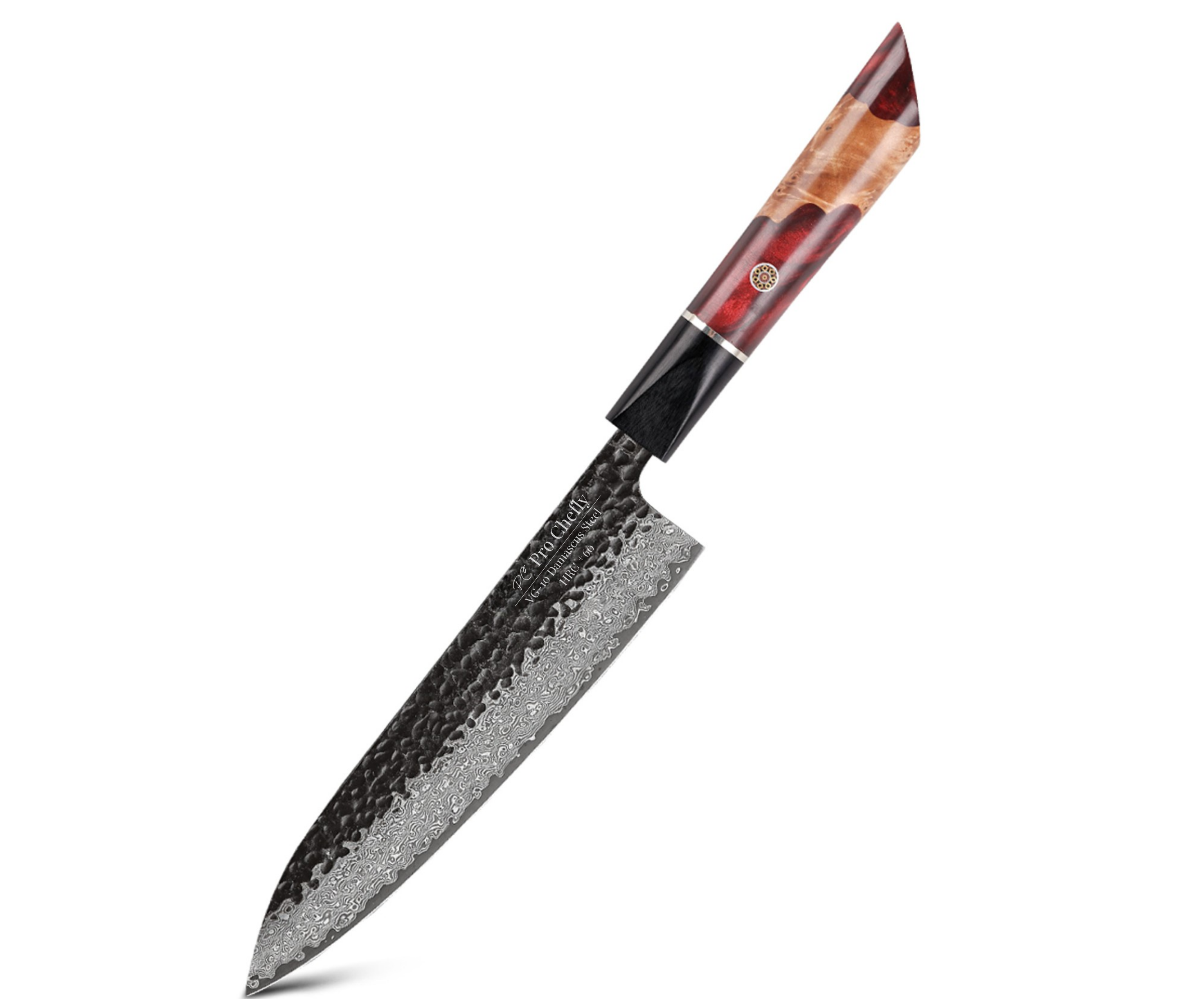
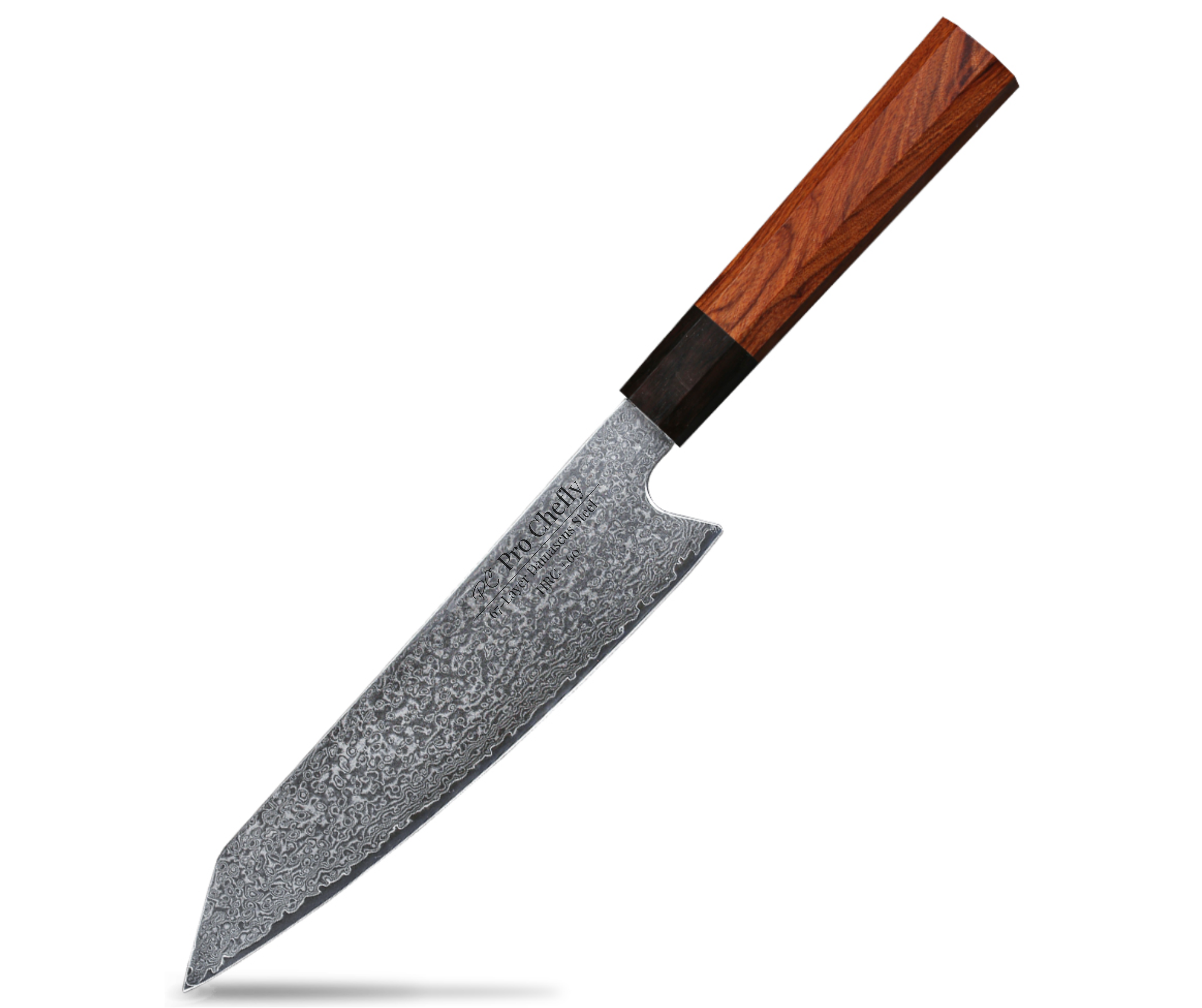
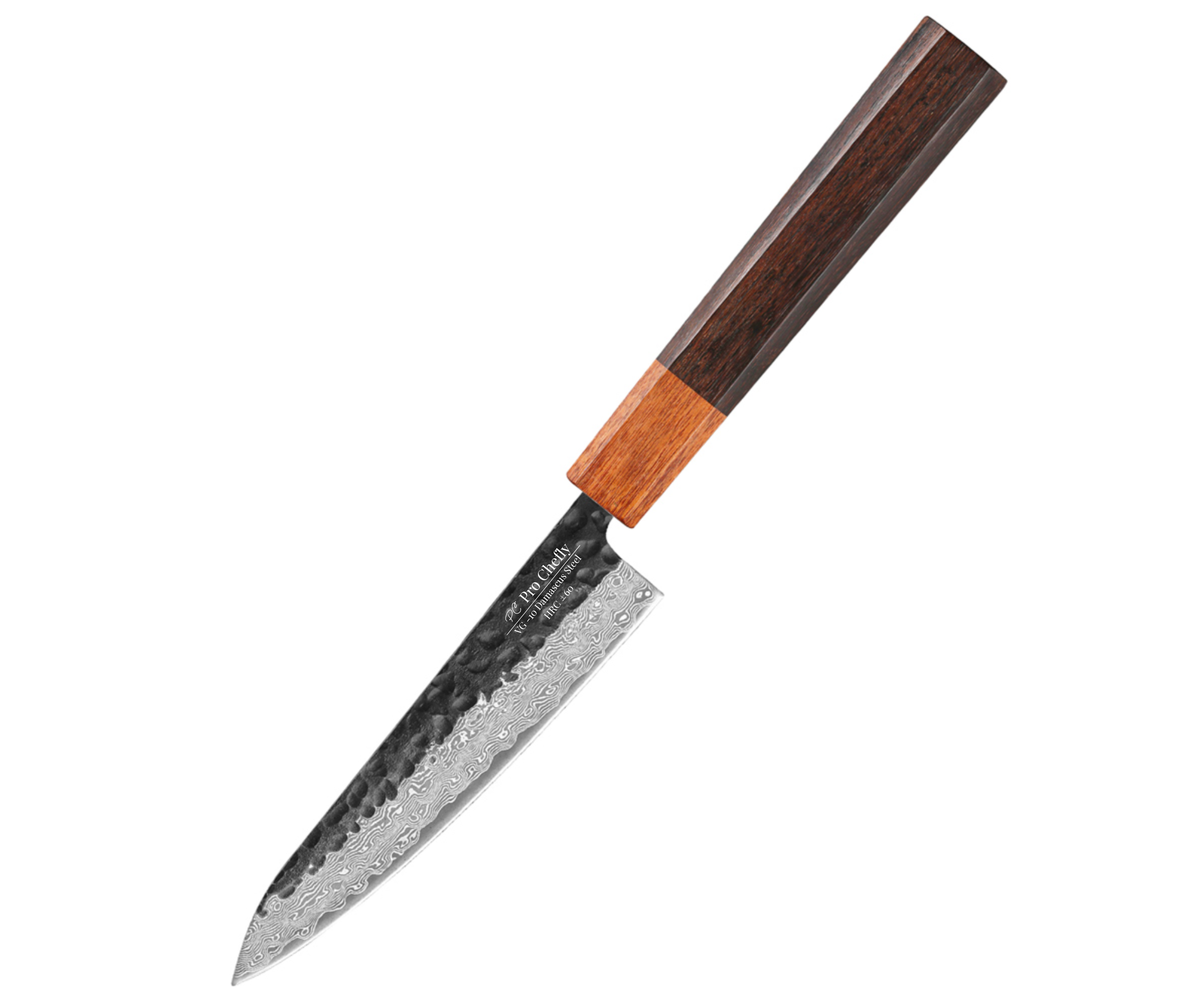
The reason pros look fast is because they’ve eliminated all hesitation points. The upstroke and downstroke are one unified action. The knife never stops. The hand never lifts unnecessarily. The motion is continuous. Fluid. Controlled. This is why I always recommend chef knives that are balanced enough to glide — like the 8" VG-10 Damascus Chef Knife and the 8" VG-10 Damascus Gyuto. They create “automatic rhythm” — and rhythm is the birthplace of speed.
Building Real Speed — The 3 Micro-Techniques
Here’s what actually makes you fast:
1) Lock Your Guiding Knuckles
Your off-hand is the governor. Keep your knuckles vertical. They form the “track” for the blade to ride against.
2) Move the Blade, Not the Tip
Your tip stays close to the board. The heel does the lifting. This eliminates inefficient arcs.
3) Minimize Wrist Work
Your elbow and shoulder drive the cut — the wrist just guides. The less you over-manage the tip, the faster your motion becomes.
Why Your Chef Knife Choice Is the Final Acceleration Factor
Some blades make speed easier. Some blades fight you. The 8" VG-10 Damascus Gyuto is built for slicing acceleration — that long runway encourages a gliding cut. The 8" AUS-10 Damascus Gyuto gives you slightly more flex — which can help beginners find that rhythm. And if you want a more all-purpose speed engine, I still believe the 8" VG-10 Damascus Chef Knife is the most instinctive “pick-up-and-go” speed trainer of the entire kitchen.
The High-Impact Takeaway — Speed Is the Byproduct of Mastery
Dear Chefs — speed is not the showoff move. Speed is the natural consequence of consistency. You perfect control first… then speed arrives without you chasing it. That is the chef’s path. That is how pros cook in rhythm — not chaos. Fall is the time to master the mechanics — and once you do, your chef knife will feel like a conductor’s baton instead of a blade.
Knife Collections
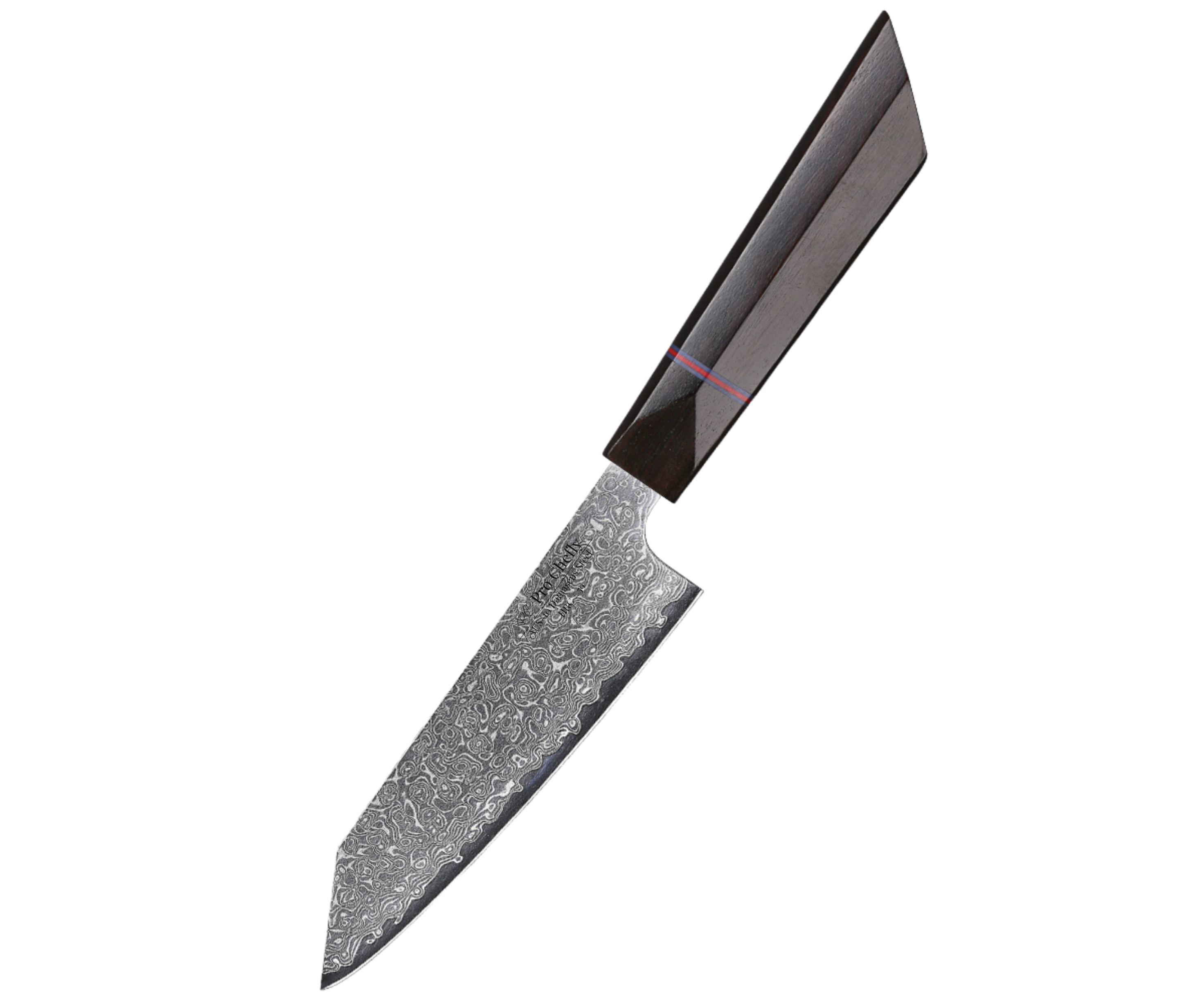
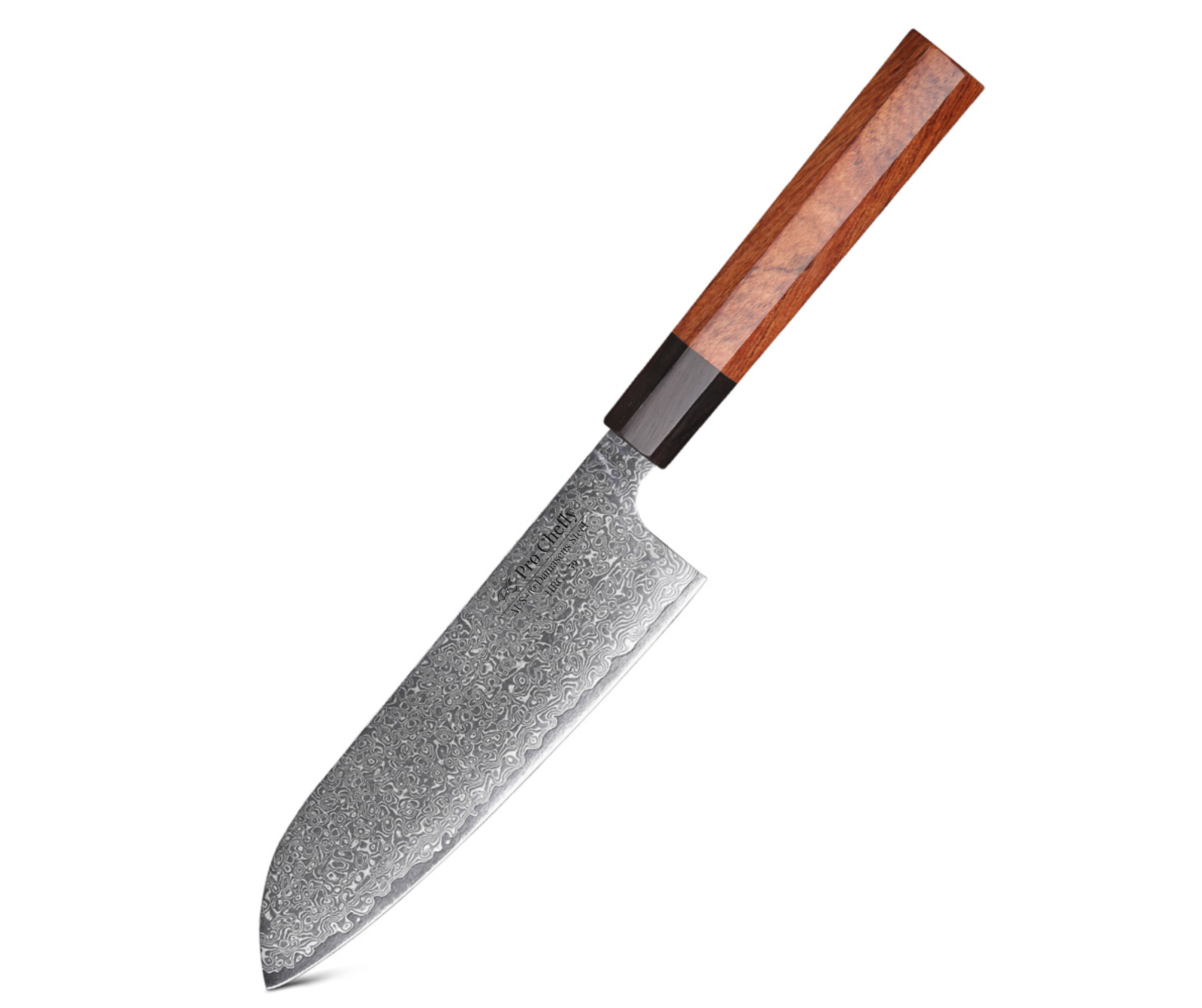
Shop the latest in Pro Chefly Damascus Knives






Chef's Notes
Stay up to date with the latest kitchen stories and recipes

- March 25, 2026
Dear Chefs, this is one of those dishes that feels like it belongs next to the ocean, even if you’re...

- March 23, 2026
Dear Chefs, this is the kind of spring dish that wakes up your entire kitchen the moment it hits the...

- March 19, 2026
Dear Chefs, some dinners don’t whisper, they walk into the kitchen with confidence and a little swagger. Surf and Turf...

- March 17, 2026
Dear Chefs, there’s something satisfying about a dish that feels wholesome, bright, and quietly comforting all at the same time....

- March 13, 2026
Dear Chefs, there is something about cooking whole fish that feels both elegant and surprisingly simple once you understand the...

- March 11, 2026
Dear Chefs, spring cooking always pulls me toward dishes that feel light, bright, and quietly luxurious without trying too hard....
- Choosing a selection results in a full page refresh.
- Opens in a new window.