

Chef’s Overview
Dear Chefs — Damascus steel is a piece of kitchen jewelry… but unlike stainless, it will react if you treat it casually. And nothing is more heartbreaking than seeing rust freckles or dull tarnish start creeping into those layered waves. Today I’m walking you through the exact habits that keep Damascus pristine — especially through fall and winter when humidity spikes and dishwashing water is hotter. If you want a deeper metallurgy foundation first, skim How to Spot Authentic Damascus Steel vs Fake Patterns and How VG-10 Steel Balances Edge Retention and Durability — because understanding the steel makes protecting it easier.

Why Damascus Is More Reactive Than “Regular” Stainless
Damascus is not one steel — it’s multiple steels folded. That mixed-metal personality is what gives the pattern depth and texture. The tradeoff? Some of those layers are more reactive. One layer may resist corrosion well… another wants to patina if you blink wrong. Tarnish is usually just mineral film. Rust is oxidation on a micro-level. Both come from the same culprit: moisture that overstays its welcome.
The Routine That Prevents Rust Before It Ever Starts
This is where people fail Damascus — prevention is a habit, not a chore.
Never let Damascus air dry
Water minerals leave residue.
Moisture gives oxidation the runway.
When you’re done washing — wipe dry immediately.
Keep food acids off your blade longer than 60–90 seconds
Vinegar, tomato juice, citrus juice, wine — all accelerate patina.
Wipe mid-prep if needed.
Never store Damascus un-oiled
A micro-thin coat of food-safe oil acts like a force field.
One drop. That’s all it takes.
This isn’t paranoia — this is respect.
The Oil Rule — This Is Where Most People Slip
Oiling isn’t about shine. It’s about sealing the steel from oxygen. Camellia oil is the traditional Japanese choice — but grapeseed oil is a great modern option because it’s light, neutral, and low viscosity. A single drop, rubbed evenly, can prevent three months of early patina.
As we noted in How is Damascus Steel Forged and Why is it So Valuable — this steel was born to be maintained, not neglected.
Practical Application — The Products You Should Protect First
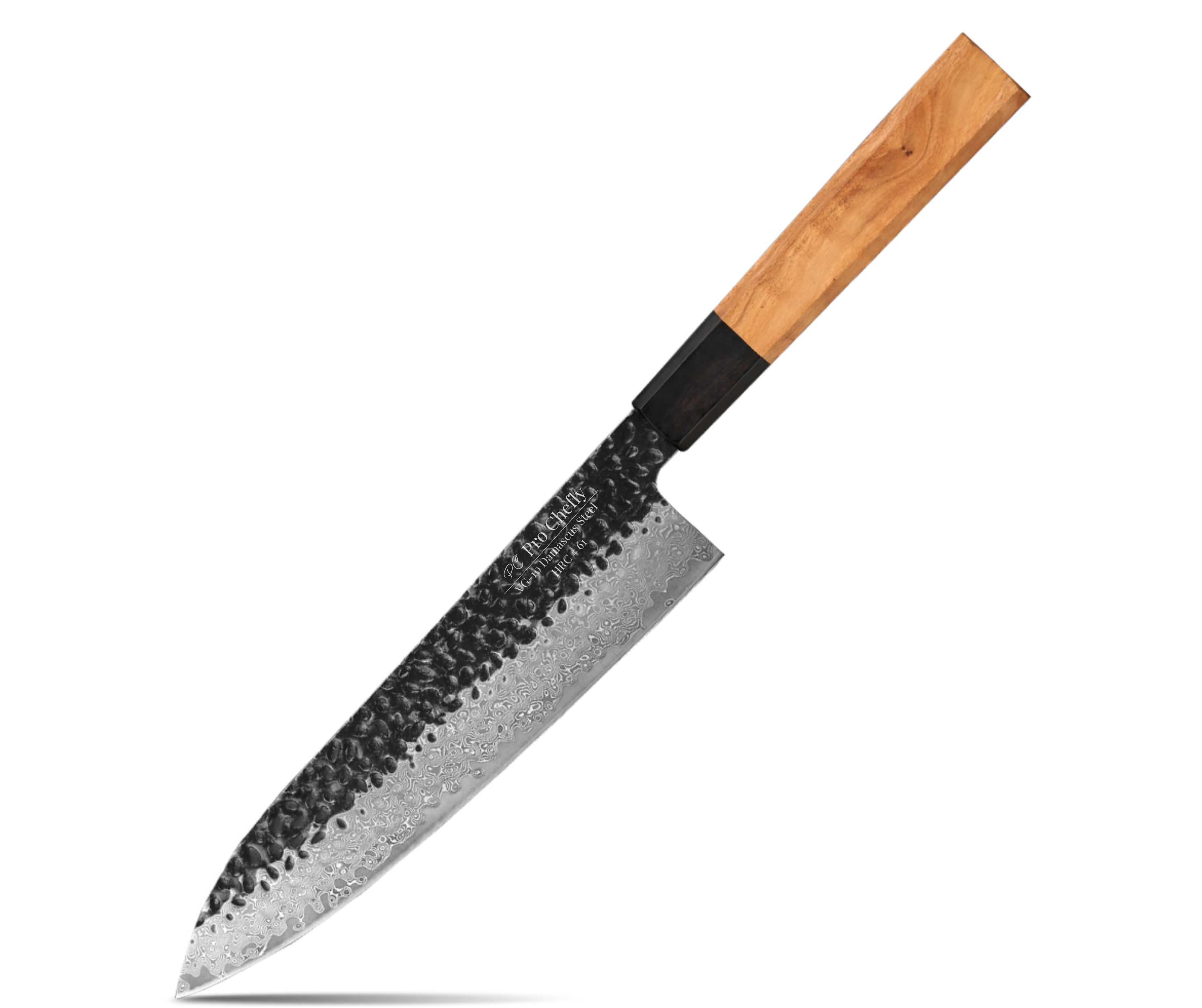
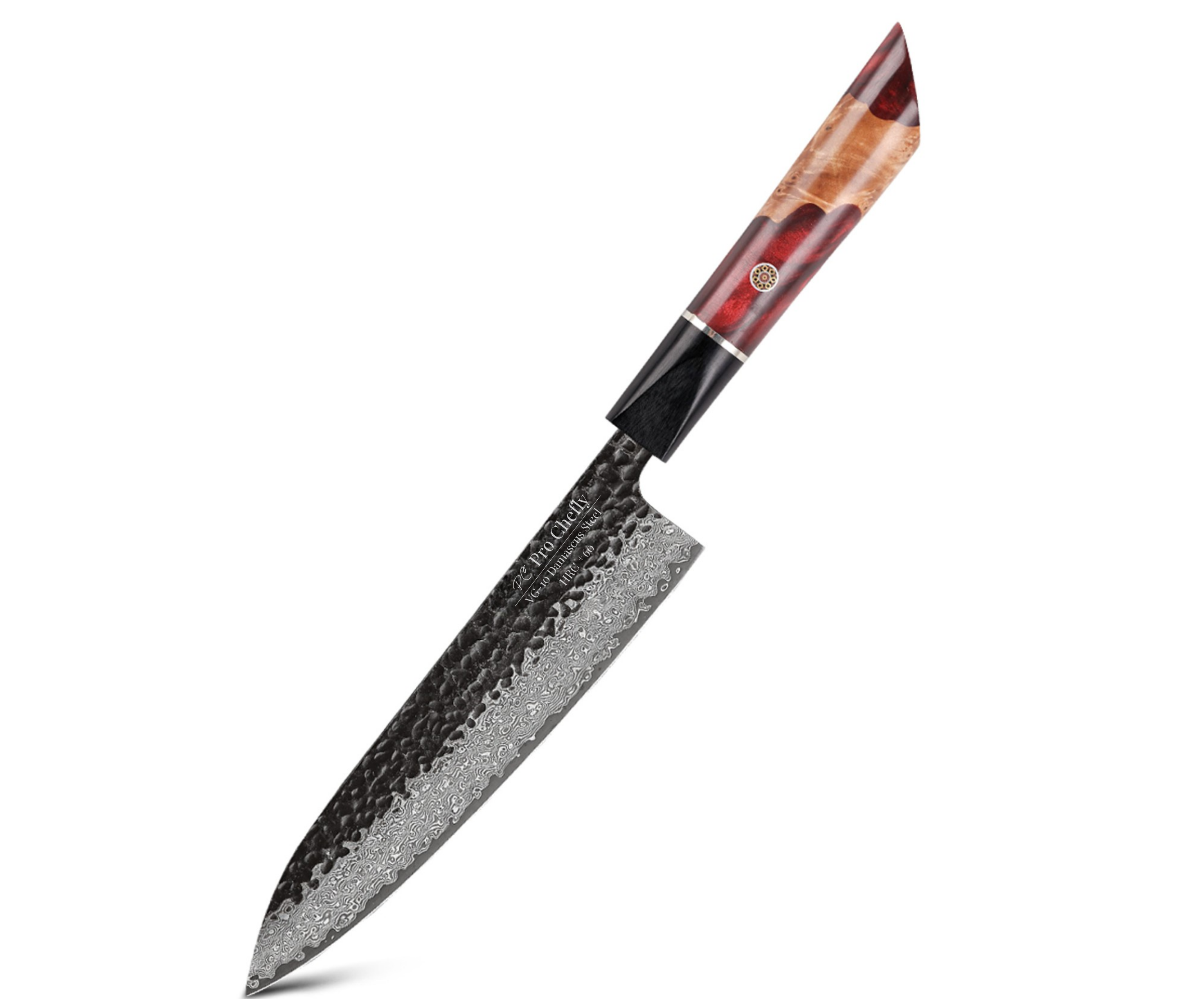
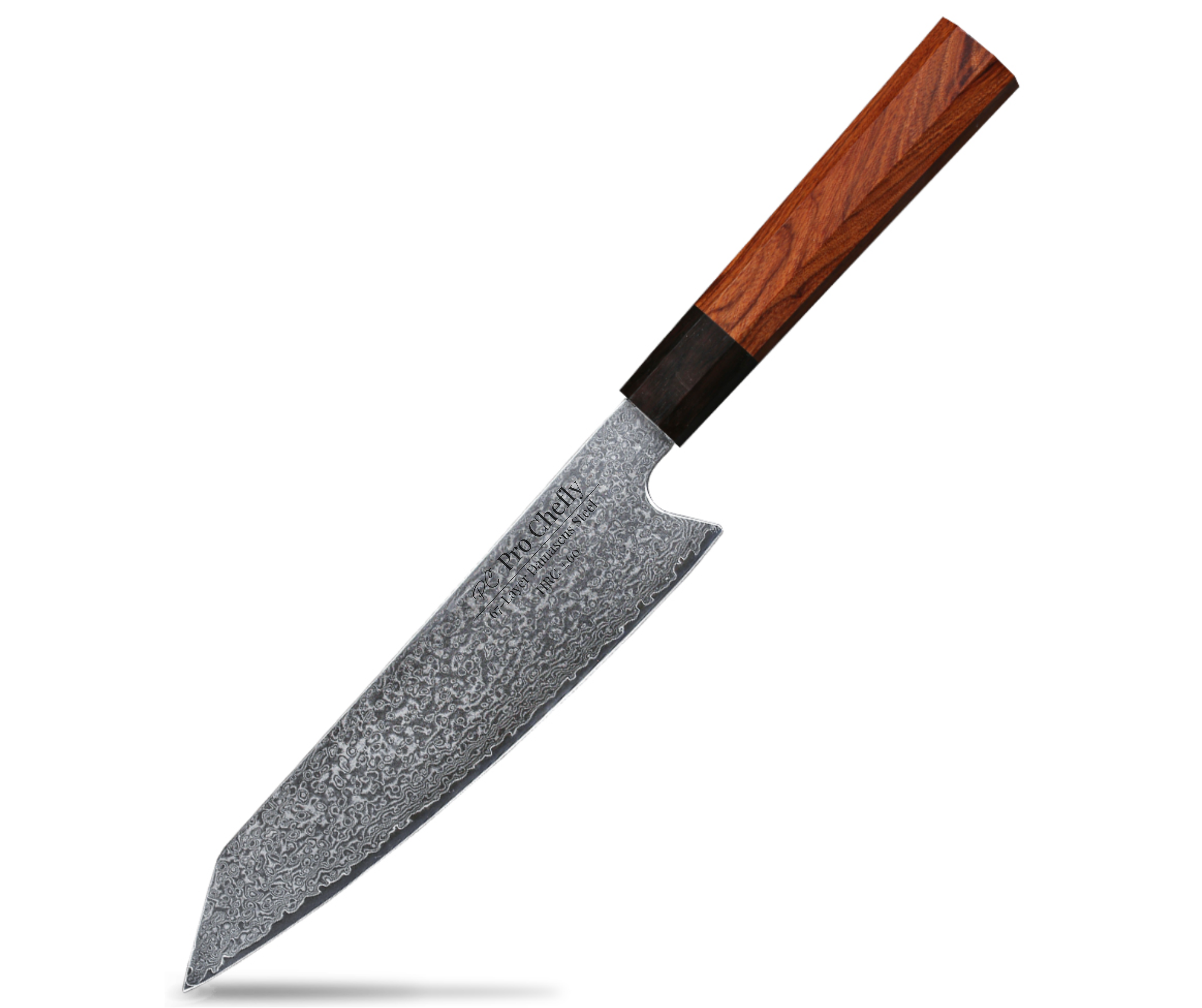
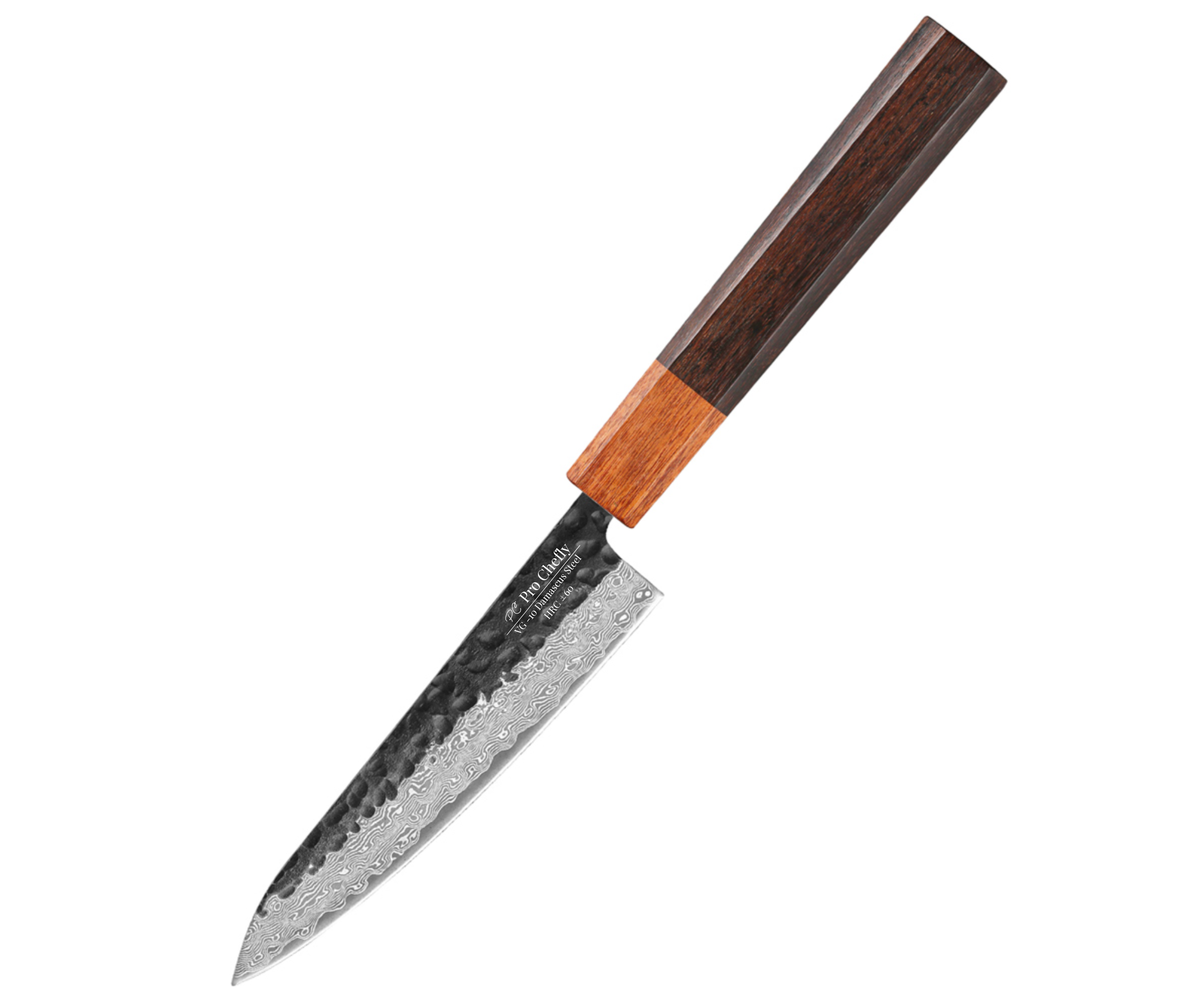
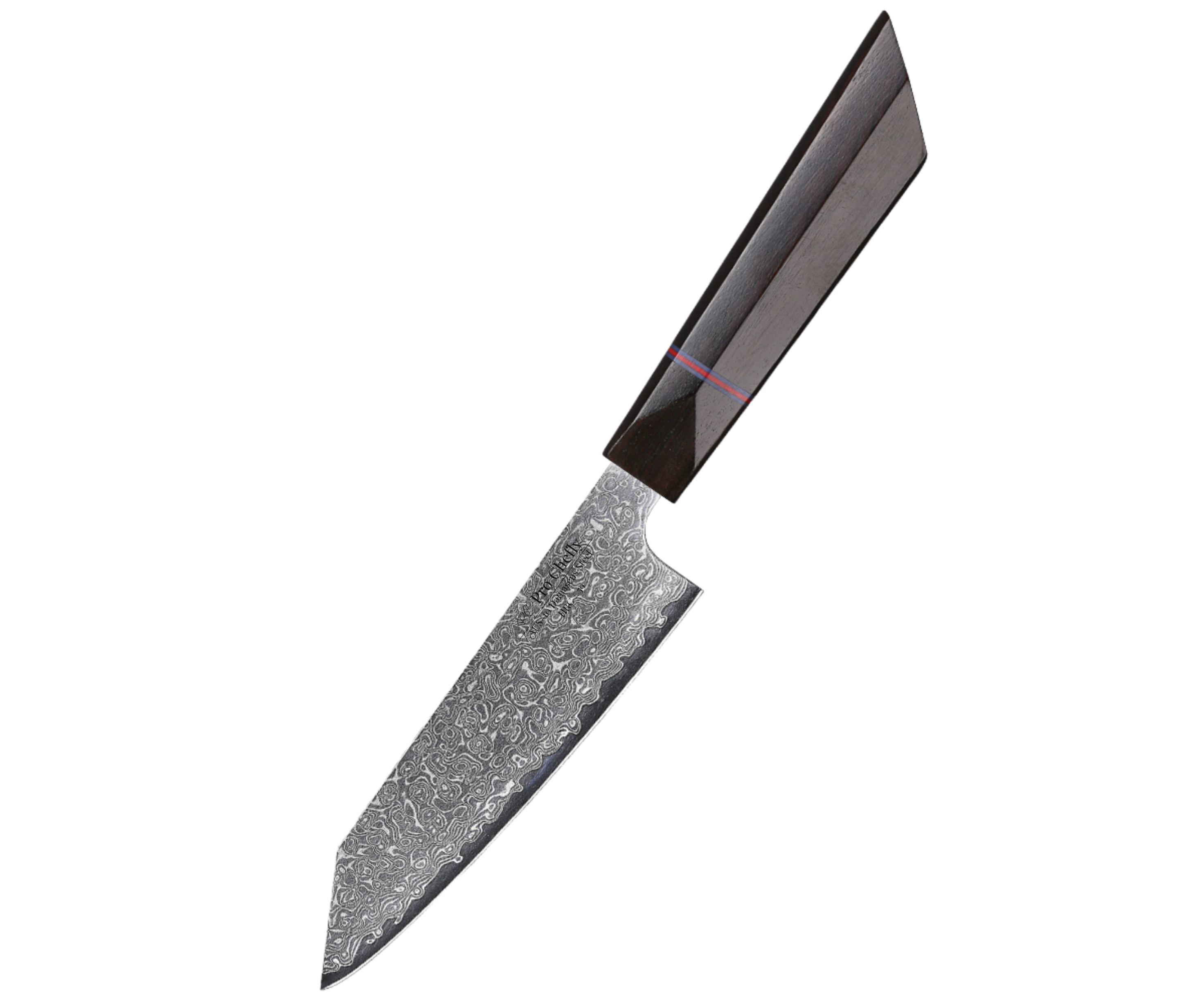
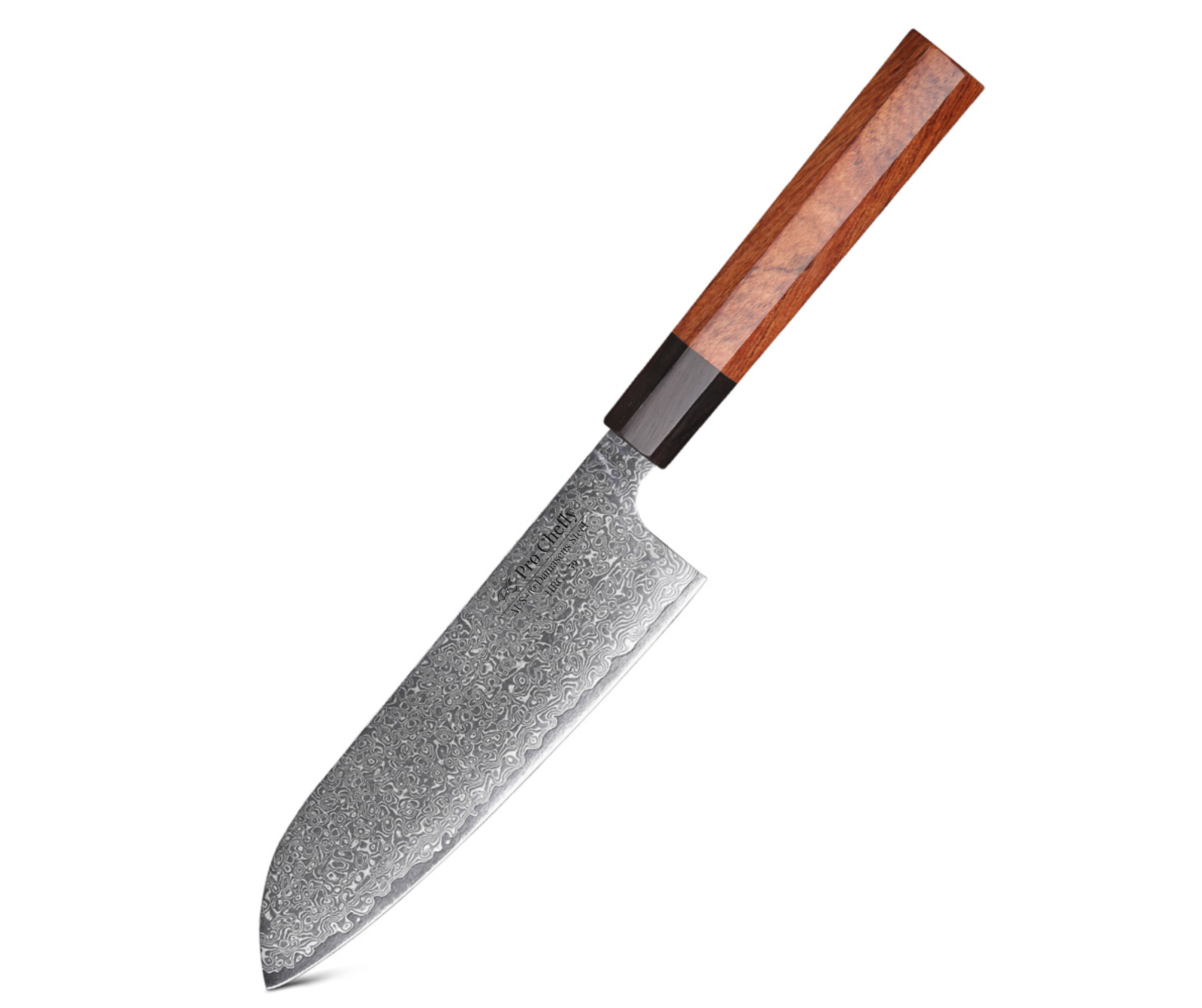
Some blades in our lineup have more face surface area — which means more pattern to protect. That also means more potential for tarnish if neglected. Some of the most surface-rich pieces:
And if you're working with darker steels like the 9" Carbon Kiritsuke Knife — oiling is non-negotiable. Carbon steels love to patina — but if you want that patina to be controlled (not blotchy corrosion), the blade must stay oiled and dry.
This is where the ritual meets performance.
The Wrap-Up Twist — Damascus Care Is Kitchen Self-Respect
Dear Chefs — protecting Damascus steel isn’t fussy. It’s foundational. The same way you wouldn’t let your cast iron sit in water overnight… you don’t leave Damascus wet, dirty, or unsealed. The way you care for your blade says something about your identity as a cook. Damascus responds to attention — and rewards you by staying beautiful, functional, and heirloom-level powerful for decades.
Knife Collections
Shop the latest in Pro Chefly Damascus Knives






Chef's Notes
Stay up to date with the latest kitchen stories and recipes

- March 25, 2026
Dear Chefs, this is one of those dishes that feels like it belongs next to the ocean, even if you’re...

- March 23, 2026
Dear Chefs, this is the kind of spring dish that wakes up your entire kitchen the moment it hits the...

- March 19, 2026
Dear Chefs, some dinners don’t whisper, they walk into the kitchen with confidence and a little swagger. Surf and Turf...

- March 17, 2026
Dear Chefs, there’s something satisfying about a dish that feels wholesome, bright, and quietly comforting all at the same time....

- March 13, 2026
Dear Chefs, there is something about cooking whole fish that feels both elegant and surprisingly simple once you understand the...

- March 11, 2026
Dear Chefs, spring cooking always pulls me toward dishes that feel light, bright, and quietly luxurious without trying too hard....
- Choosing a selection results in a full page refresh.
- Opens in a new window.